

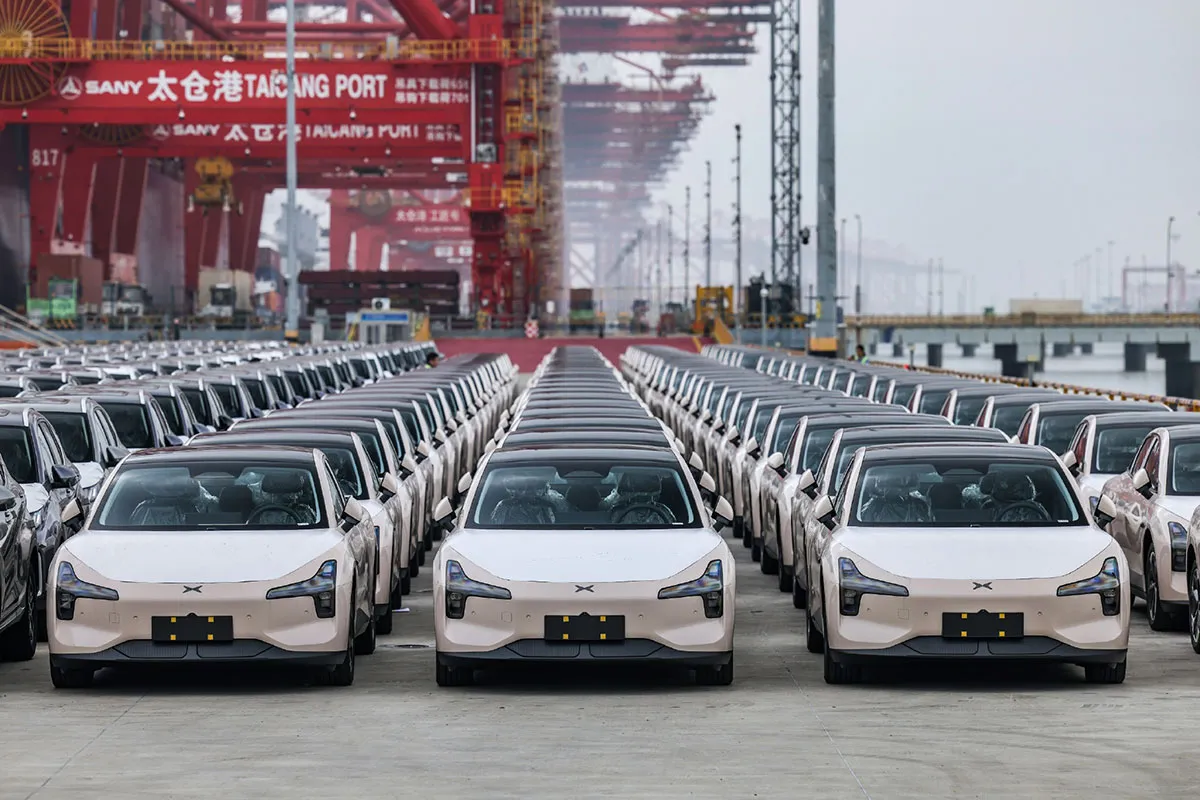
Chinese electric vehicle exports to the European Union are expected to grow at an average annual rate of about 20% between 2026 and 2028, despite possible short-term volatility following new pricing commitments agreed between Beijing and Brussels, a senior industry official said.
Cui Dongshu, secretary-general of the China Passenger Car Association (CPCA), said the outlook remains positive after China and the EU agreed to resolve their electric vehicle trade dispute by replacing high tariffs with price undertakings. China’s Ministry of Commerce said on Monday that both sides had reached consensus on providing common guidance for minimum price commitments for Chinese battery electric vehicle (BEV) exports to the EU.
See also: China NEV Retail Sales Hit Record 1.337 Million Units in December, CPCA Data Show
“The outcome of the China-EU negotiations to replace high tariffs with price undertakings represents a significant pragmatic breakthrough for mutual benefit,” Cui said in a commentary published on Monday, adding that the agreement preserves Chinese automakers’ core access to the European market.
Chinese brands accounted for more than 10% of Europe’s EV market in 2025, according to CPCA estimates, and Cui said the new framework would help consolidate that position over the medium term. However, he cautioned that some manufacturers may see short-term sales fluctuations as they adjust pricing strategies and product portfolios during the early phase of implementation.
See also: China Warns Battery Makers to Curb Expansion as Overcapacity Risks Rise

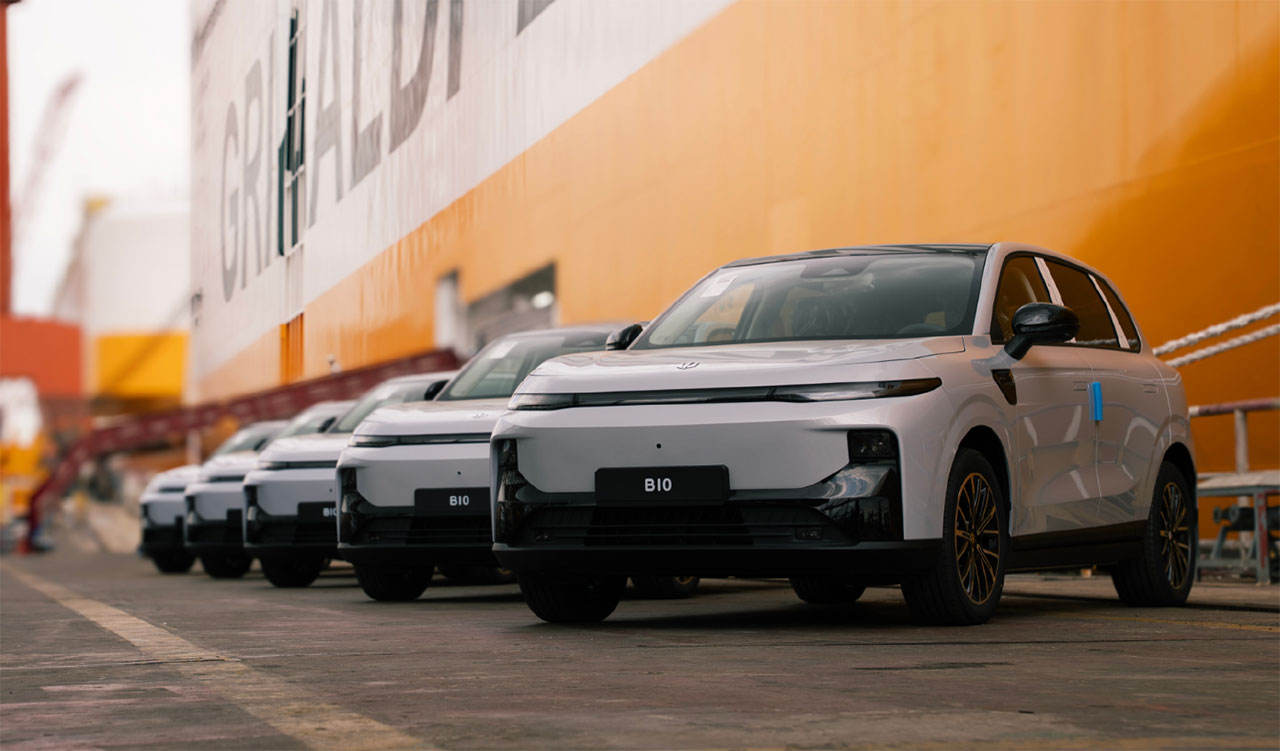
Cui said the pricing mechanism is likely to accelerate structural changes among Chinese automakers in Europe, pushing them away from low-price competition and toward higher-end positioning, differentiated technologies and increased local production. “Price constraints will force automakers to move away from low-price competition,” he said, adding that localized manufacturing and stronger product competitiveness would support a gradual rebound in sales.
Differentiation will become increasingly important, Cui said, pointing to examples such as Nio’s battery swap technology, BYD’s cell-to-body platform and Xpeng’s advanced driver assistance systems. These features, he said, could help Chinese brands move from a reliance on price advantages to competing on overall value.
See also: China Opens Public Consultation on National Solid-State Battery Standard

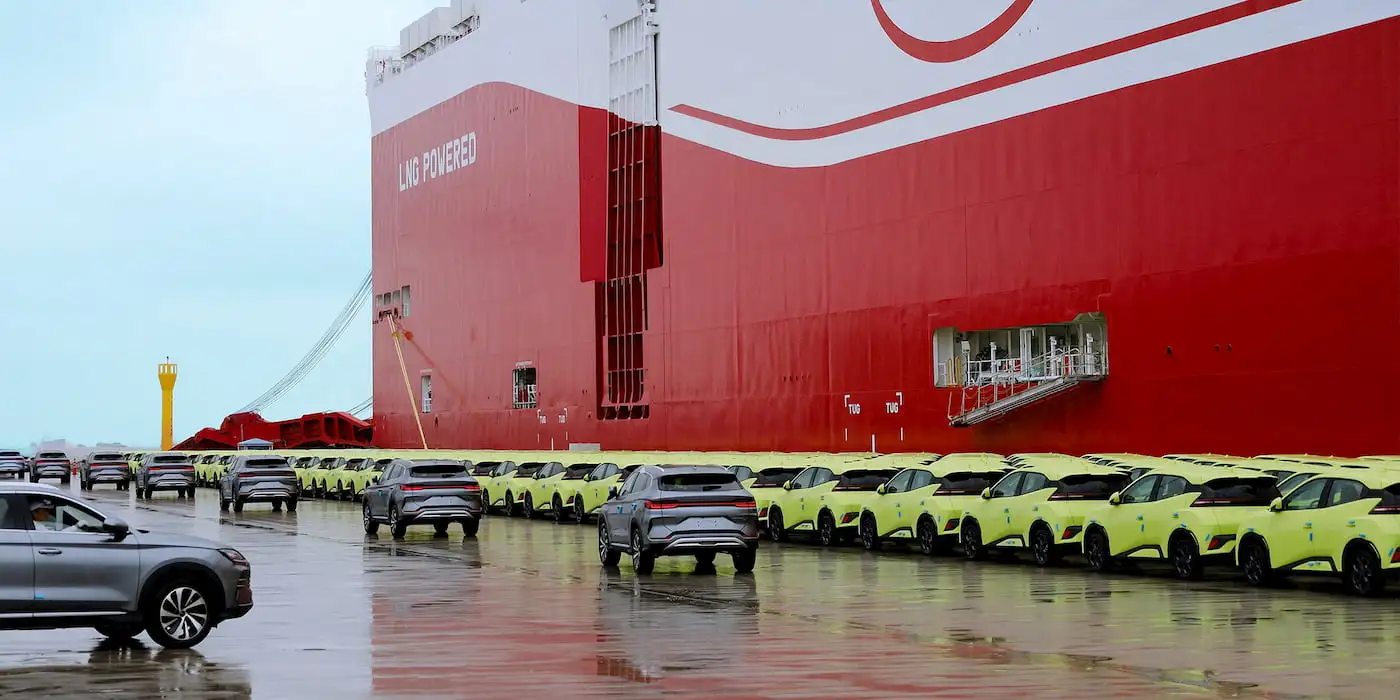
The price undertakings will replace the European Union’s anti-subsidy duties imposed in October 2024, when the European Commission approved additional tariffs ranging from 7.8% to 35.3% for different manufacturers, on top of the EU’s standard 10% import duty.
Trade data underline the EU’s importance as a destination for Chinese electric vehicles. From January to November 2025, China exported 2.07 million BEVs, with 580,000 units — about 28% — shipped to the EU, CPCA data showed. Over the same period, China exported 940,000 plug-in hybrid electric vehicles, of which 250,000 units, or 27%, went to the European market.
Source: CnEVPost