

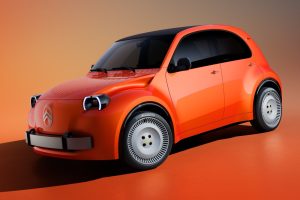


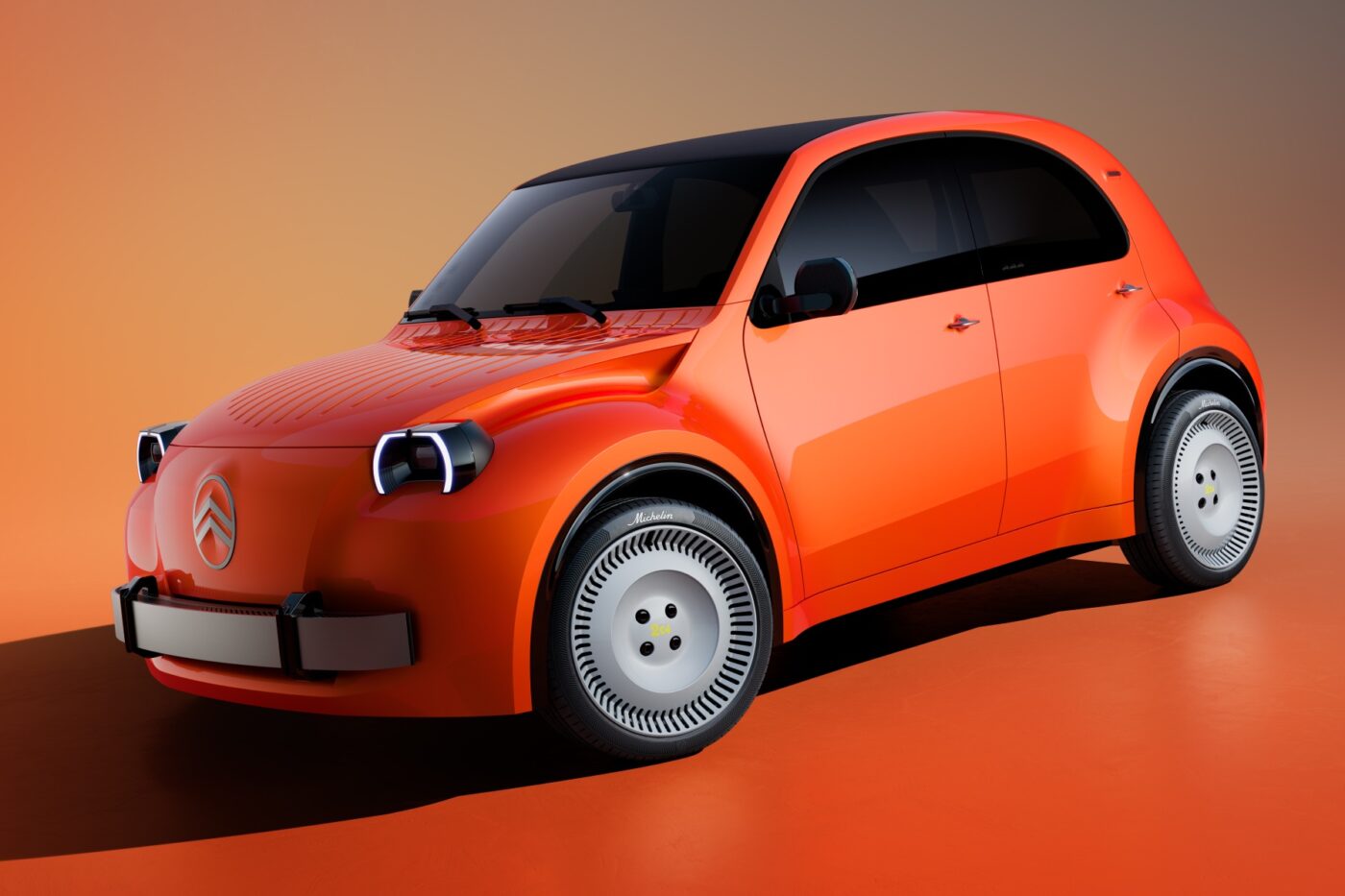
Citroen has unveiled the 2CV Concept at the 2026 Paris Motor Show, presenting an electric reinterpretation of its historic small car focused on simplicity, practicality and affordability. The concept measures 3.76 metres in length and previews a potential production model expected by 2028, with a targeted starting price of around €15,000.
Rather than reproducing the original 2CV as a retro-styled vehicle, Citroen says the concept returns to the principles behind the model’s success: straightforward design, accessibility and features intended to address everyday needs.
A Simpler Approach to Electric Mobility
As electric vehicles gain more features and increasingly complex interfaces, the 2CV Concept takes a different approach. Citroen has designed the vehicle around a limited set of functions intended to provide practical value rather than incorporating every available technology.
Citroen CEO Xavier Chardon explained the philosophy behind the concept:
“Reinventing the 2 CV isn’t about replicating a car from the past; it’s about reinventing what made it unique: its simplicity, its accessibility and the freedom it offered. With the 2 CV Concept, we’re bringing that spirit into today’s world to make electric mobility simpler, more human and more desirable. The world has changed. But the idea remains the same: to make life more beautiful with Citroën.”
The concept draws on the original 1948 model through details including free-standing headlights, subtly flared fenders and vertical creases on the bonnet and tailgate. Its folding roof also recalls the earlier car while contributing to the concept’s lightweight design.
Lightweight Construction and Practical Range
Citroen expects a potential production version to weigh approximately one tonne. Reducing vehicle weight could help lower energy consumption and operating costs while allowing the use of a smaller battery to achieve a practical driving range.
However, the company has not yet released battery capacity, motor output, charging performance or estimated driving range for the concept. These figures will be important in assessing how the vehicle performs in everyday use.
Physical Controls and a Minimalist Interior
The cabin follows the concept’s emphasis on straightforward operation. Instead of a large array of displays and an extensively multifunctional steering wheel, the dashboard combines conventional levers and switches with an 8-inch central touchscreen featuring rotary controls.
A cockpit display is projected into the driver’s line of sight. The centre basket between the front occupants provides storage and can be removed, while the retro-style radio is also detachable.
The concept includes additional practical touches inspired by the original 2CV’s utilitarian design. Egg holders integrated into the doors reference the historic model’s ability to transport eggs across uneven rural terrain.
Both rows feature bench seating. The front bench can be detached and used outside the vehicle, although the amount of passenger space available in a production version remains to be confirmed.
Tyre Monitoring Technology Developed With Michelin
The concept incorporates a tyre-monitoring system developed with Michelin.
Called the “universal digital tyre twin,” the system uses a virtual model to calculate tyre conditions, including pressure, temperature and wear, in real time. The resulting data is intended to help the vehicle identify environmental conditions and adjust driver-assistance systems accordingly.
The technology combines a minimalist cabin and limited feature set with digital systems designed to serve specific functions.
Production Targeted for 2028
At 3.76 metres long, the 2CV Concept sits between the Citroen Ami and C3 in terms of size. Citroen is also targeting a starting price of approximately €15,000, positioning the planned production model as a relatively affordable electric car.
The production vehicle is expected by 2028 and is intended to comply with the European Union’s M1E category for electric cars. Under the framework described for the project, the vehicle would need to be produced in Europe and remain within a maximum length of 4.20 metres.
For now, the 2CV remains a concept rather than a confirmed production specification. Its final dimensions, technical details, equipment and price will determine how closely the eventual model follows the project’s emphasis on simple, practical and accessible electric mobility.


