




In response to the European Union’s decision to impose higher import tariffs on Chinese electric vehicles (EVs), several Chinese car manufacturers are contemplating retaliatory measures against European imports of large combustion-powered vehicles. The move comes as tensions escalate between the two automotive powerhouses.
A closed-door meeting convened by China’s Ministry of Commerce in Beijing included key players such as SAIC, BYD, BMW, Volkswagen, Porsche, Mercedes-Benz, Stellantis, Renault, and other Chinese auto manufacturers. The meeting aimed to strategize on pressuring Europe and advocating against the increased EV tariffs.
See also: EU to Impose Tariffs on Chinese EVs, Excluding Tesla, in Anti-Subsidy Move
Stefan Hartung, CEO of Bosch, noted that the announcement might prompt discussions between China and the EU, as the announced tariffs from Brussels are subject to review. He emphasized the potential for dialogue, suggesting a pathway to de-escalate the trade tensions.
Earlier proposals from a Chinese auto research center, affiliated with the government, suggested raising import tariffs on European gas-powered cars with engines exceeding 2.5 liters from 15% to 25%. While exports of these vehicles dropped by 12% in the first four months of 2024, data from the China Passenger Car Association indicates that 196,000 vehicles with engines bigger than 2.5 liters were exported from Europe to China last year, marking an 11% increase from the previous year. Notably, German car manufacturers have exported $1.2 billion worth of such cars to China this year.
See also: Survey Shows EU Anti-Subsidy Probe Dampening Chinese EV Firms’ Confidence in Europe
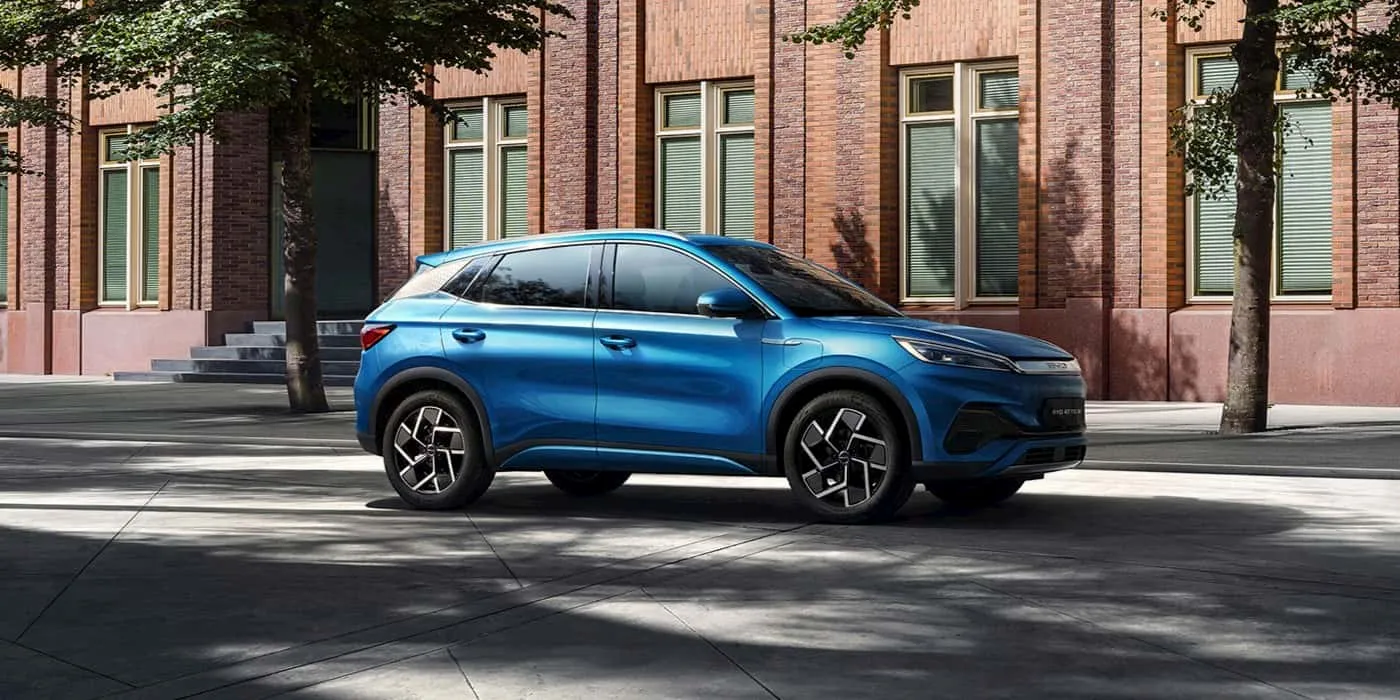
The European Commission’s recent announcement of tariffs against Chinese EVs, ranging from 17.4% to 38.1% depending on the brand, has added fuel to the fire. SAIC faces the maximum 38.1% levy, while BYD is subject to a more moderate 17.4% tariff. Geely, another car manufacturing giant, faces a 20% tariff. Car companies not individually investigated by the commission face a 21% tariff.
There is a mutual desire among leaders in Europe and China to reach a deal in the coming months to ease trade tensions. The situation remains fluid as both sides seek to find a resolution that satisfies their interests while maintaining a stable trade relationship.


