


China’s Ministry of Industry and Information Technology (MIIT) launched a public consultation on Wednesday for a new mandatory national standard governing combined driving assistance systems in intelligent connected vehicles, the ministry said.
The proposed regulation, titled “Safety Requirements for Combined Driving Assistance Systems in Intelligent Connected Vehicles,” seeks to set safety baselines and provide technical guidance for industry access, quality oversight, and incident investigations, MIIT officials told Chinese media Economic Information Daily (EID).
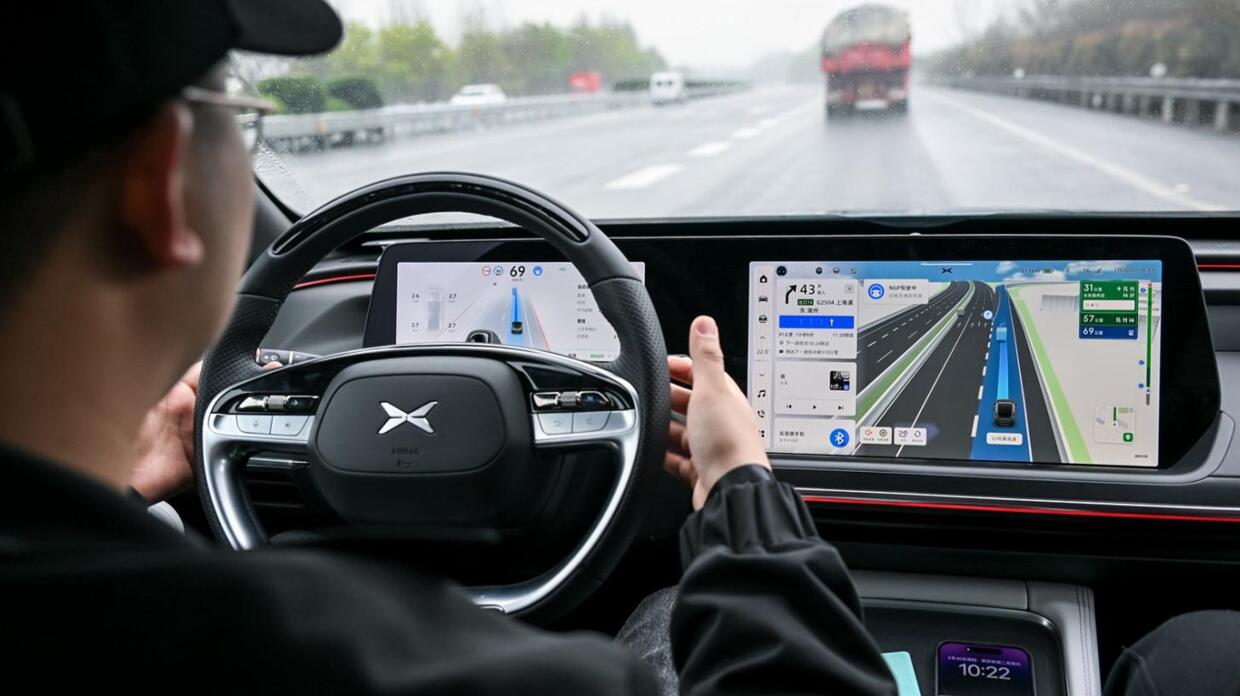
Combined driving assistance systems, often referred to as Level 2 (L2) automation, reduce driver workload and improve comfort. According to MIIT data, sales of passenger vehicles equipped with such systems reached 7.76 million units between January and July 2025, up 21.3% from the same period last year, with market penetration rising to 62.6%.
The ministry cited safety concerns tied to inconsistent terminology and system use. “Some companies have misused terms like ‘advanced autonomous driving’ and ‘zero takeover’ in their promotions, deliberately blurring the boundaries between ‘driver assistance’ and ‘autonomous driving,’” an MIIT official told EID. “This downplays system limitations and has led some drivers to become complacent, engaging in dangerous behaviours such as extended hands-off driving or distracted operation, resulting in fatal accidents that have raised serious public concerns.”
The proposed standard introduces a three-tier safety framework covering product performance, process management, and system usage. It sets clear functional requirements for single-lane, multi-lane, and navigational assistance systems, including specifications for human-machine interaction, functional safety, cybersecurity, and data recording. Verification will involve facility testing, road testing, and document inspections.
The standard also requires manufacturers to implement risk assessments during development, ensure production reliability and traceability, and monitor vehicle status dynamically during operation. Systems must include hand-off detection and gaze monitoring, issuing warnings or safely disengaging if drivers fail to respond. Drivers who repeatedly misuse systems may face temporary lockouts.
Under China’s national driving automation classification, L2 systems require drivers to remain alert, maintain control, and be ready to respond to emergencies. The proposed regulation targets this level specifically, addressing concerns from the rapid adoption of such systems in the domestic market.