



Chinese Minister of Commerce Wang Wentao and European Commission Executive Vice President and Trade Commissioner Valdis Dombrovskis have agreed to work towards resolving differences concerning tariffs on electric vehicle (EV) imports from China. The talks come as the European Commission seeks to balance trade relations with China while addressing concerns over potential subsidies in China’s EV industry.
According to China’s Ministry of Commerce, Dombrovskis indicated that the European Union remains open to continuing negotiations on price commitments for Chinese EV imports. Both sides expressed a willingness to reach a mutually acceptable solution.
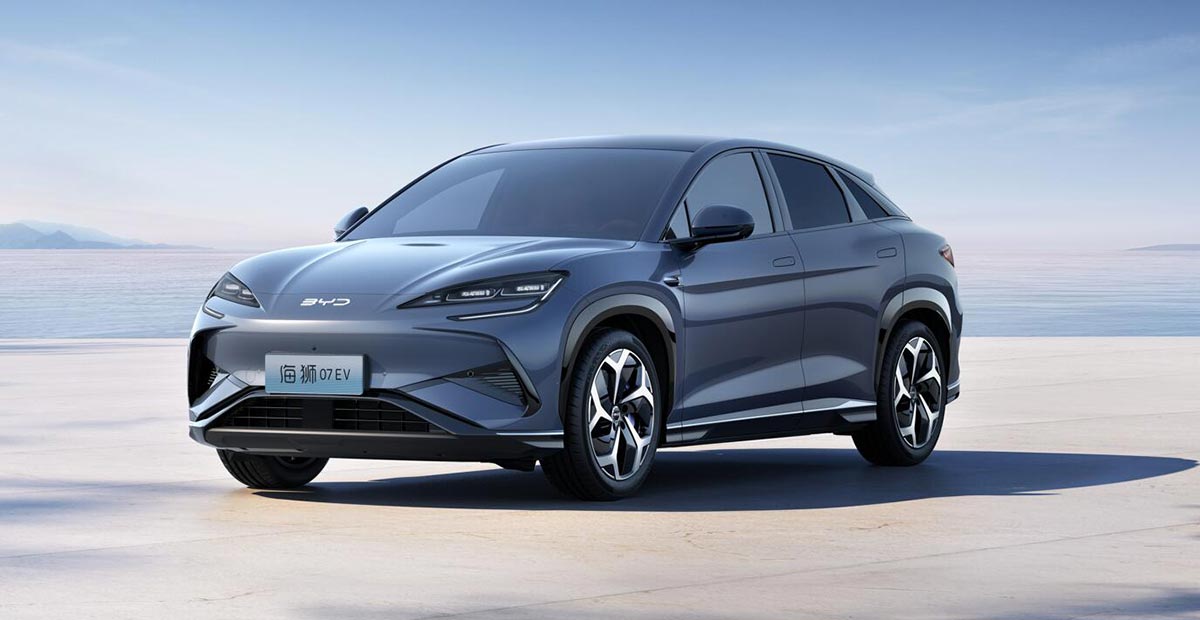
Currently, the European Commission has reportedly lowered its tariff rates on China-made EV imports to 35.3%. Specific automakers such as BYD, Geely, Tesla, and Volkswagen, which were previously subjected to individual duties, will benefit from these adjustments. For instance, Tesla’s tariff rate is expected to decrease from 9% to 7.8%.
During the meeting, Wang Wentao criticized the European Commission’s decision to launch an anti-subsidy investigation into China’s EV imports, stating that it was initiated without any formal complaint from European industries. Wang described the investigation as “non-compliant, unreasonable, and unfair.” He also emphasized China’s efforts to propose price commitments throughout the probe, with no rejection of the proposals by the European Union to date.
China’s Ministry of Commerce reiterated its stance following the talks, stating, “China has the responsibility to safeguard the justified demands and legitimate rights of its domestic industries,” a reflection of China’s firm position on protecting its EV manufacturers amid ongoing trade negotiations.


