



Chinese battery manufacturer CATL has cautioned that mass adoption of all-solid-state batteries in electric vehicles remains several years away, with the technology unlikely to reach widespread commercial deployment before 2030.
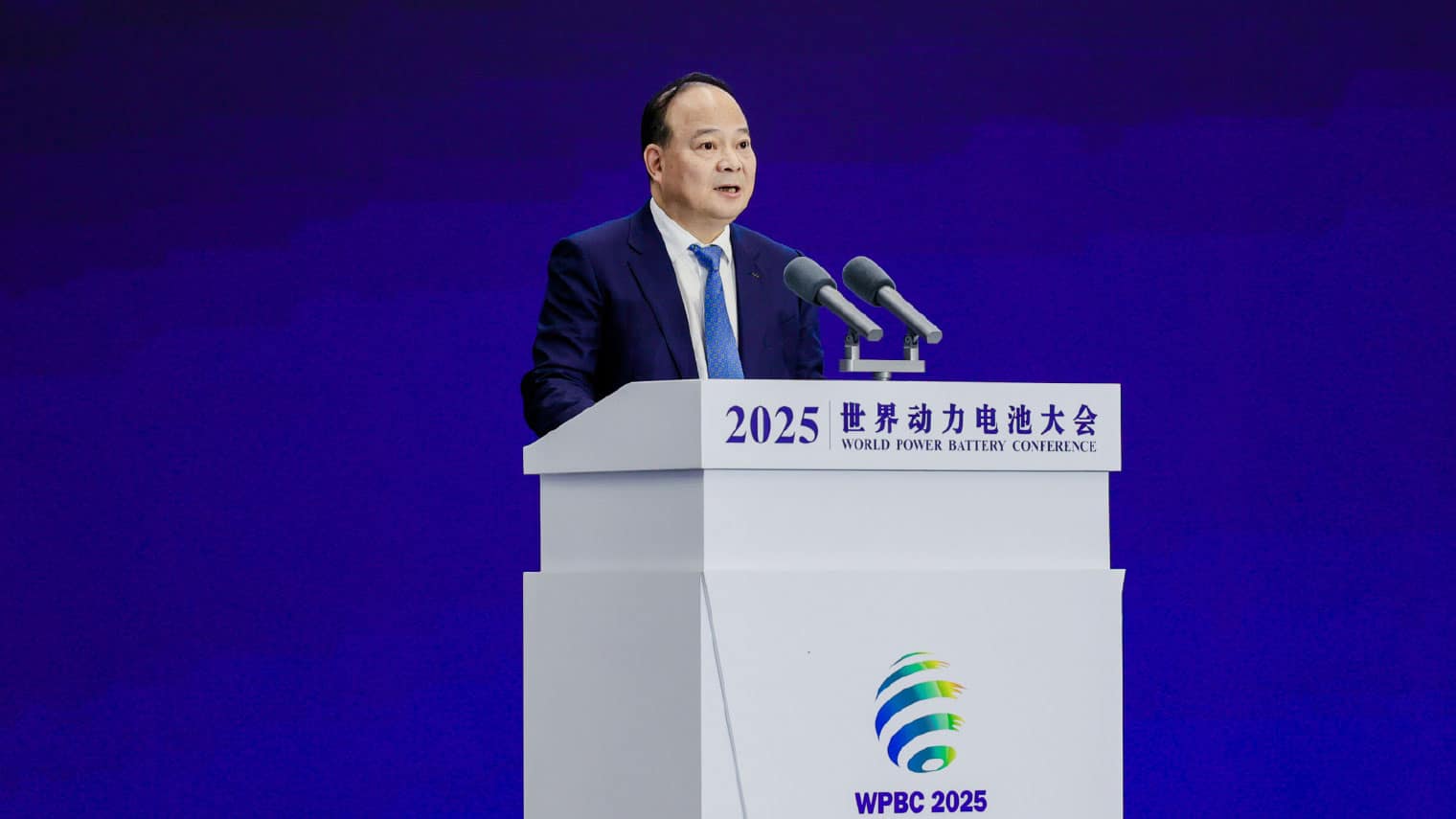
Speaking in an interview with Caijing, CATL founder and CEO Robin Zeng said significant technological and manufacturing challenges still need to be overcome before solid-state batteries can be produced at scale for mainstream vehicles.
According to Zeng, the first commercial applications are likely to be confined to premium vehicle platforms priced above 250,000 yuan (approximately €32,000), reflecting the high costs associated with the emerging technology.
Commercialization Still in Early Stages
CATL currently rates its all-solid-state battery technology at Level 4 on the nine-stage Technology Readiness Level (TRL) scale, indicating that development remains in the laboratory validation and prototype engineering phase.
The company has previously stated that it aims to begin small-scale production of solid-state batteries by 2027, but large-scale commercialization remains dependent on further technical breakthroughs.
“Mass commercialization before 2030 remains unlikely,” Zeng indicated, citing both manufacturing complexity and unresolved engineering challenges.
Sulphide-Based Technology at the Core
Recent patent filings have revealed that CATL is pursuing a sulphide-based solid-state battery architecture, one of the most closely watched approaches within the industry.
The design utilizes a solid sulphide electrolyte alongside a layered anode structure incorporating cobalt-rich materials and electrolyte salts. According to industry reports, the fluorine-containing lithium salt used in the design reacts with the sulphide electrolyte to form lithium fluoride, creating a protective layer intended to improve stability and extend battery life.
The approach seeks to address one of the key weaknesses of sulphide electrolytes: their tendency to degrade at material interfaces during operation.
High Energy Density, High Cost
Industry reports suggest CATL has already begun pilot production of prototype solid-state cells capable of achieving energy densities of approximately 500 Wh/kg, significantly higher than today’s conventional lithium-ion batteries.
However, cost remains one of the largest barriers to commercialization.
In 2025, CATL acknowledged that sulphide-based solid-state batteries currently cost between three and five times more than traditional lithium-ion cells, making widespread deployment economically challenging.
While the company stated that many scientific barriers have largely been addressed, engineering and manufacturing challenges continue to slow progress toward large-scale production.
China Accelerates Industry Collaboration
CATL’s efforts form part of a broader national strategy to secure China’s leadership in next-generation battery technologies.
In early 2024, CATL joined several major battery and automotive manufacturers in launching the China All-Solid-State Battery Collaborative Innovation Platform (CASIP), a government-backed alliance focused on accelerating the development and commercialization of solid-state batteries.
The consortium includes major industry players such as:
- BYD subsidiary FinDreams Battery
- CALB
- EVE Energy
- Gotion High-Tech
- SVOLT
- Nio
- Several state-owned automotive manufacturers
The alliance aims to establish a competitive solid-state battery supply chain and support large-scale production by 2030.
Strategic Race for Battery Leadership
The formation of CASIP highlights China’s determination to maintain its dominant position in the global EV battery market as the industry moves toward next-generation technologies.
Unlike conventional lithium-ion batteries, solid-state designs replace liquid electrolytes with solid materials, offering the potential for significantly higher energy density, faster charging, improved safety and longer lifespan.
However, achieving these benefits while maintaining acceptable manufacturing costs remains one of the industry’s greatest technical challenges.
Despite substantial progress, CATL’s latest comments suggest that solid-state batteries are unlikely to replace conventional lithium-ion technology in mainstream electric vehicles within this decade. Instead, early deployments are expected to focus on high-end vehicles where manufacturers can absorb the additional costs while validating the technology under real-world conditions.
As research continues and production methods mature, the coming years will determine whether solid-state batteries can ultimately deliver on their promise of transforming electric mobility.
Source: finance.sina.com.cn , carnewschina.com


