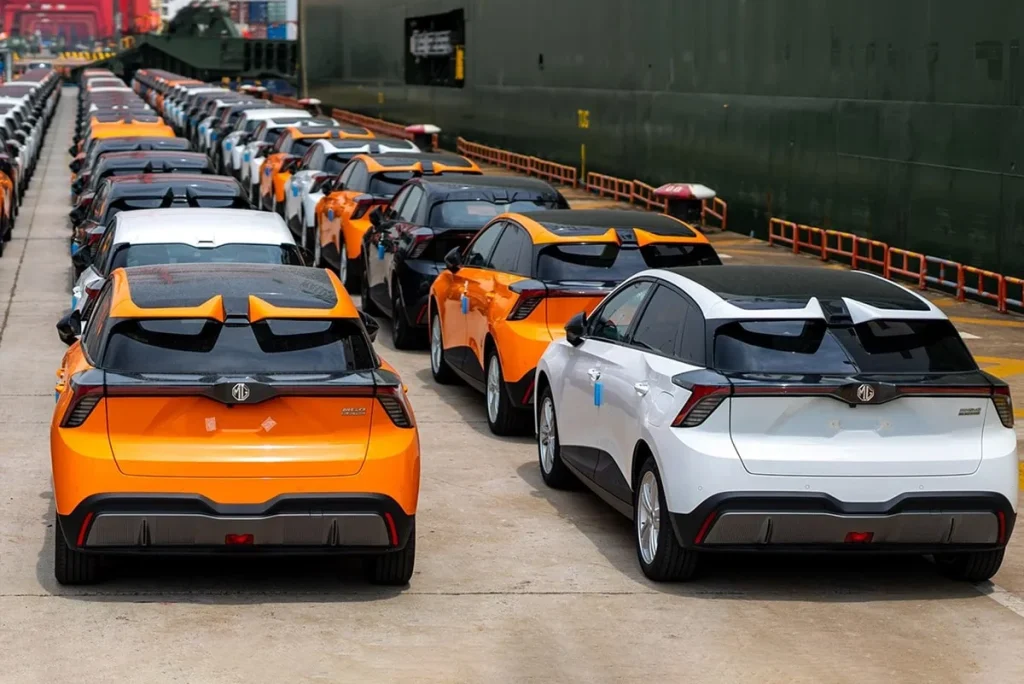



Canada is contemplating the imposition of import tariffs on Chinese-manufactured electric vehicles (EVs), with Deputy Prime Minister Chrystia Freeland announcing plans for a public consultation period starting July 2. Freeland cited concerns over what she described as China’s “state-directed policy of overcapacity,” which she believes unfairly impacts the domestic auto sector.
“Chinese producers are quite intentionally generating a global oversupply that undermines EV producers around the world, including here in Canada,” Freeland told reporters in Vaughan, Ontario, echoing sentiments raised by the United States and the European Union.
See also: GM Reconsiders Ultium Electric Drive Unit Production in St. Catharines Plant, Canada
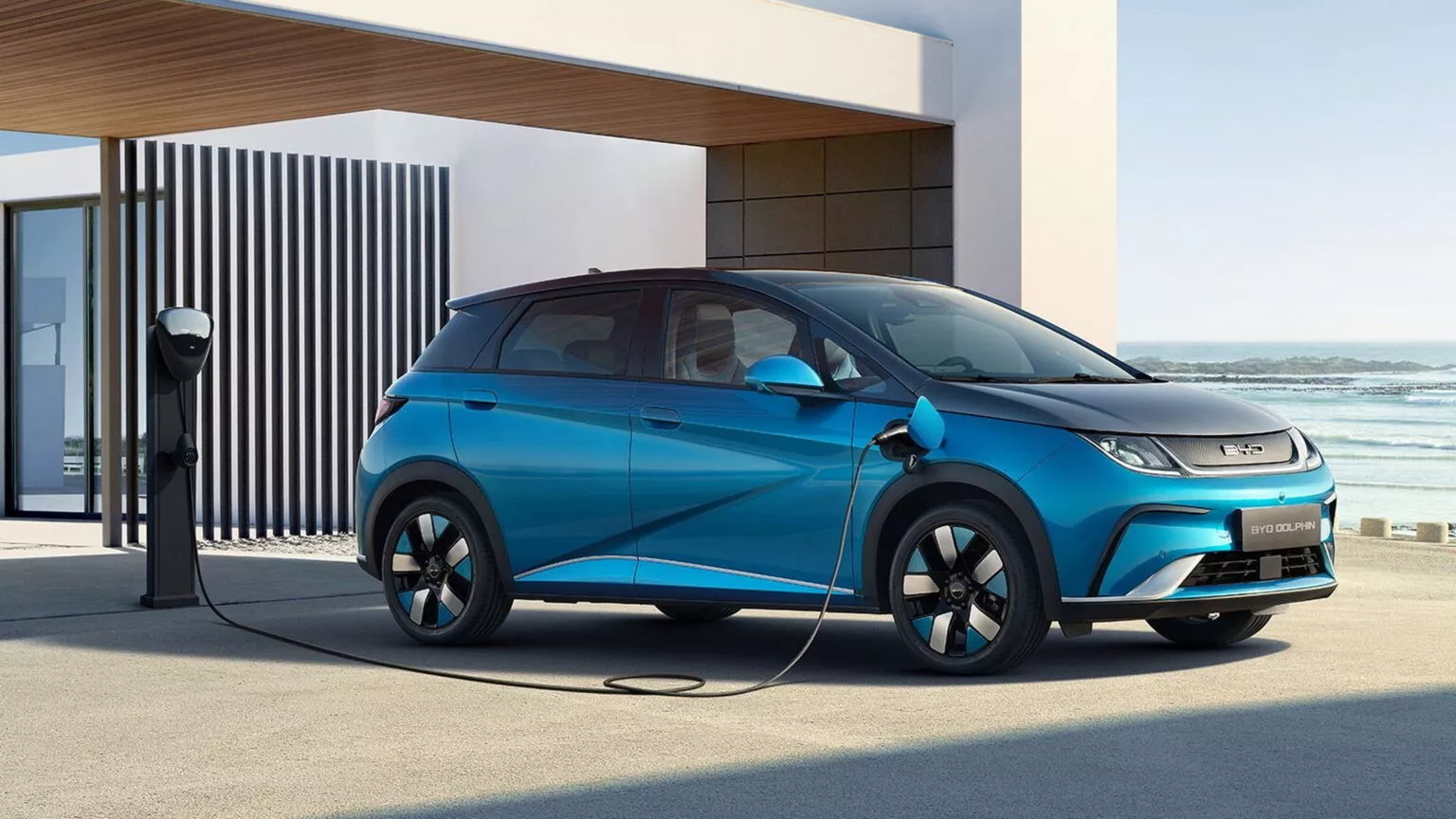
The proposed tariffs align with recent moves by Canada’s allies. U.S. President Joe Biden recently unveiled steep tariff increases on various Chinese imports, including EVs, while the European Commission plans additional duties on Chinese EV producers such as BYD, Geely, SAIC, and even Chinese-built Tesla and BMW cars.
Freeland emphasized that public consultations will inform Canada’s policy response, which could potentially include tariffs on imports, aimed at protecting Canadian interests and aligning with international allies.
“We’re not ruling anything out,” Freeland said, emphasizing Ottawa’s readiness to deploy robust trade action tools.
See also: Honda to Invest $11 Billion in EV and Battery Plants in Canada
China has denied allegations of unfair subsidies or overcapacity issues in its EV industry, attributing its growth to technological advantages and robust market strategies. However, Canadian officials, under pressure domestically to safeguard local jobs and boost the EV supply chain in Ontario, are considering broader measures that may also include components like batteries.
The Liberal government, led by Prime Minister Justin Trudeau, has positioned Canada as a crucial player in the global EV market, signing significant deals to bolster manufacturing in Ontario, the heart of Canada’s auto industry.
See also: Canada Extends Electric Vehicle Purchase Incentives, Introduces Tax Credit for EV Production
Freeland refrained from detailing specific actions but emphasized the government’s comprehensive approach to addressing concerns.
“We are bringing to bear our strongest trade action tools,” Freeland said, signaling a deliberate stance as Canada navigates its response to global economic dynamics impacting its EV sector.