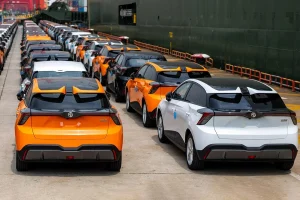
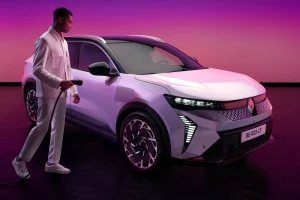


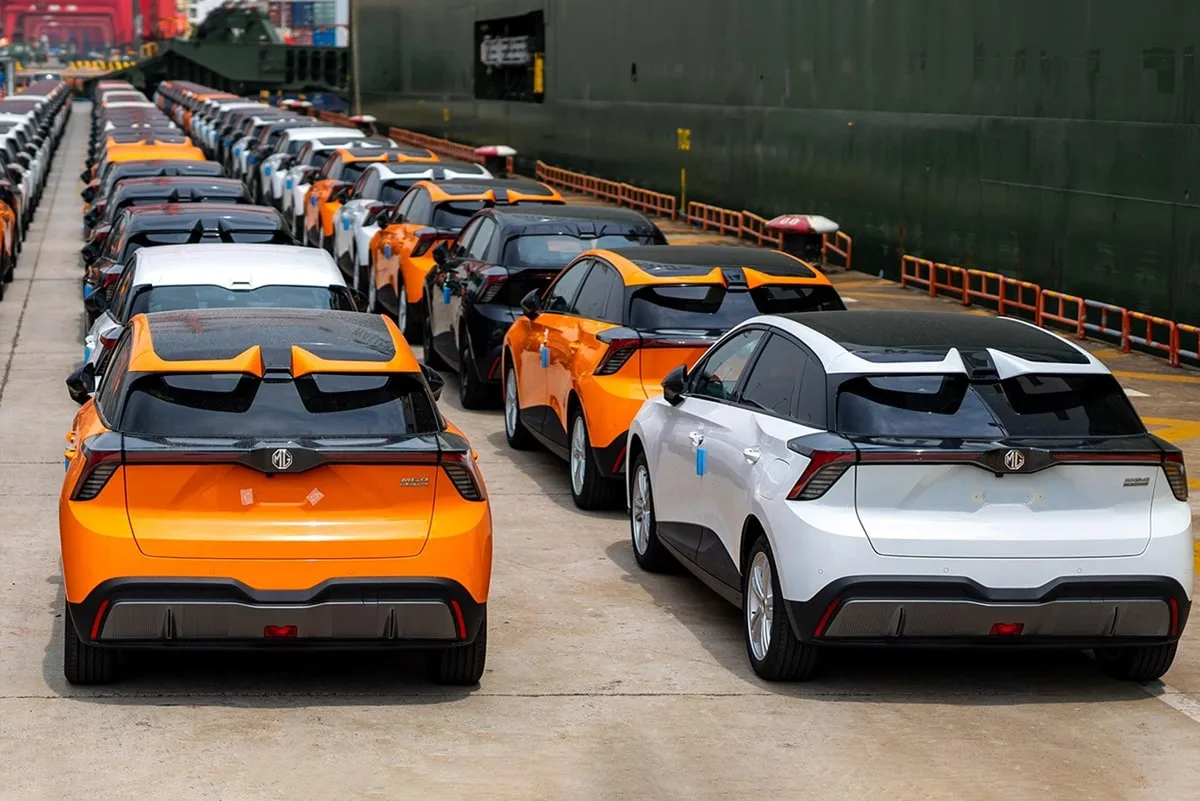
The UK government is reportedly considering additional tariffs on Chinese electric vehicles as it seeks to address concerns over subsidised imports and maintain access for British automotive products under the European Union’s proposed “Made in Europe” framework.
According to reports by The Times and Reuters, Business Minister Jonathan Reynolds is preparing a package of potential tariffs on Chinese vehicle imports. However, the UK has not yet imposed any new tariffs, and the government has said it is continuing discussions with the automotive industry before deciding on its approach.
UK Reviews Potential Chinese EV Tariffs
The reported tariff plans come amid concerns among UK policymakers about the impact of state-supported Chinese vehicle imports on domestic manufacturers. The Times reported that ministers are considering measures that could potentially bring UK tariffs closer to those applied by the EU.
The European Union currently applies additional anti-subsidy duties to Chinese battery-electric passenger vehicles, on top of its standard 10% import duty. The additional rates vary by manufacturer and were introduced following the EU’s investigation into Chinese electric vehicle subsidies.
Reuters reported that the UK government has not made a final decision on additional tariffs.
“We continue to engage closely with industry so that our approach reflects the sector’s and UK’s national interests,” a UK government spokesperson told Reuters.
The government has previously indicated that it is assessing options for addressing market-distorting practices and overcapacity. In a July parliamentary response, the Department for Business and Trade said the independent Trade Remedies Authority had not initiated an investigation into electric vehicles at that time.
EU Rules Create Additional Pressure
The tariff debate is closely linked to the EU’s proposed Industrial Accelerator Act, which includes measures designed to increase the use of European-made products in areas such as public procurement, subsidies and other industrial programs.
The proposed framework covers strategic sectors including electric vehicles and batteries. Under the proposal, electric vehicles purchased through certain EU procurement programs would have to meet local production requirements, including assembly in the EU and a specified share of EU-made components.
The UK is seeking recognition as a “trusted partner” under the proposed rules. British officials have warned that exclusion could affect the country’s closely integrated automotive industry, which has extensive supply-chain and export links with the EU.
The UK government said in September that it was working with European institutions, member states and industry to seek an outcome supporting the integrated UK-European automotive supply chain.
UK Seeks Access to European Automotive Framework
Reports in September said Brussels had urged Britain to align more closely with EU trade policy, including potentially increasing tariffs on Chinese vehicles. The Financial Times reported that the EU had linked closer alignment with efforts to prevent tariff differences from creating potential routes for Chinese vehicles to enter the European market through the UK.
British Prime Minister Andy Burnham has said he would make the case for the UK to be treated as a trusted partner under the proposed “Made in Europe” rules.
The issue is significant for the UK automotive sector because manufacturers operate across both markets, while British-made vehicles and components are integrated into European supply chains. The UK government has said securing a workable outcome for the automotive sector is a priority as the EU legislation develops.
No Final Tariff Decision Yet
While reports indicate that the UK is examining potential tariff measures, the government has not formally introduced additional duties on Chinese electric vehicles.
Reuters reported that British ministers want any tariff decision to be based on UK economic and industrial interests rather than simply replicating EU policy.
The situation therefore remains under review as the UK balances several considerations, including competition in its domestic vehicle market, relations with Chinese automakers, access to the EU market and the future rules governing European industrial support.
Any new UK tariff structure would require further policy development before implementation.