





Air pollution has been increasingly recognized as a potential risk factor for dementia, and a new large-scale review published in The Lancet Planetary Health offers further evidence of a connection. The study, led by researchers from the Medical Research Council (MRC) Epidemiology Unit at the University of Cambridge, found that long-term exposure to certain air pollutants is associated with a higher risk of developing dementia.
The research team conducted a systematic review and meta-analysis of 51 studies involving over 29 million individuals from mostly high-income countries who had been exposed to air pollutants for at least a year. Of these, 34 studies were included in the meta-analysis, spanning North America, Europe, Asia, and Australia. By combining the findings from multiple studies, the researchers aimed to reach more robust conclusions, especially where individual studies had yielded conflicting results.
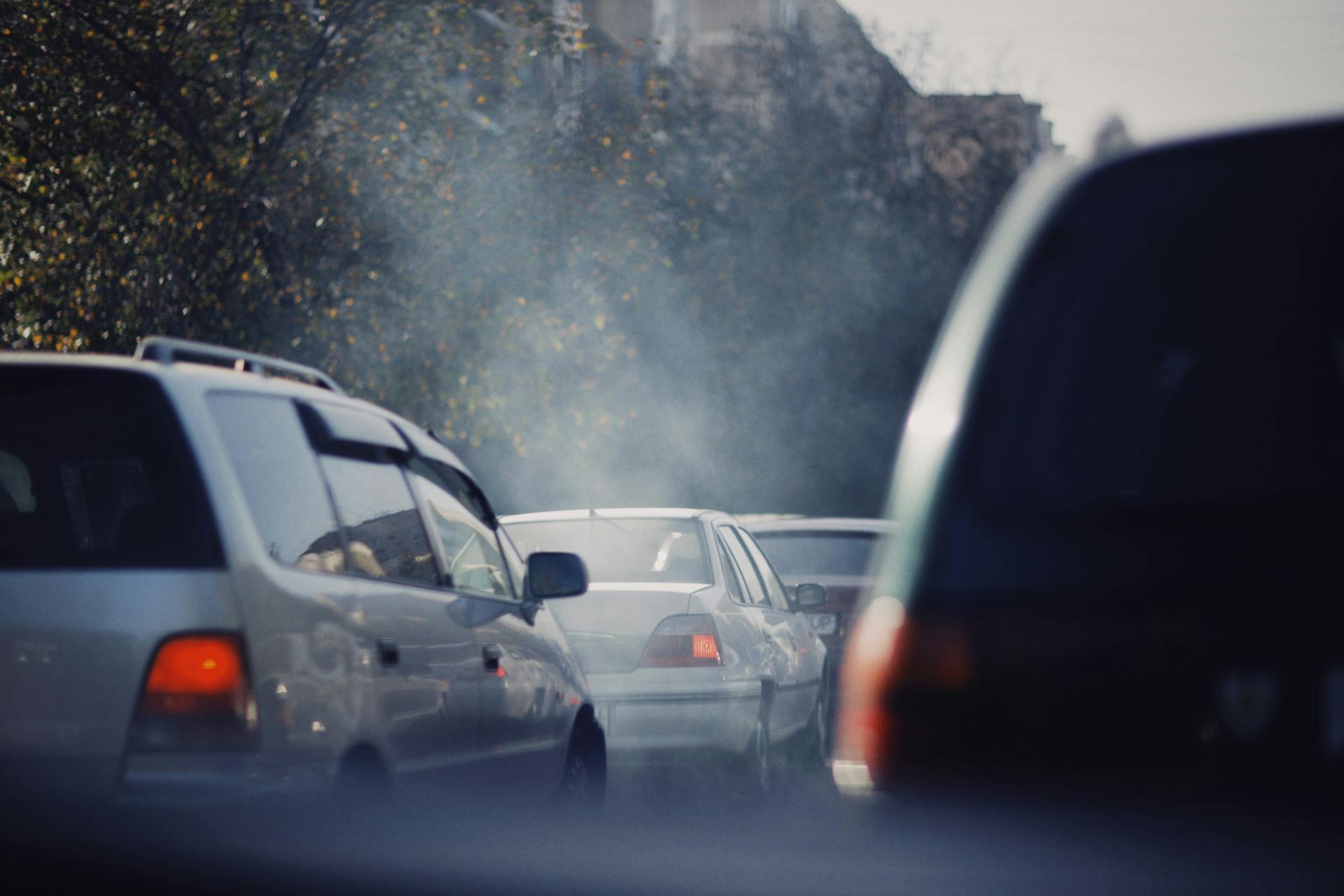
The analysis identified three air pollutants—PM2.5 (particulate matter with a diameter of 2.5 microns or less), nitrogen dioxide (NO₂), and soot—as being significantly linked to an increased risk of dementia. The researchers estimated that for every 10 micrograms per cubic meter (μg/m³) increase in PM2.5, the relative risk of dementia rose by 17%. For NO₂, the increase was 3% per 10 μg/m³, and for soot, it was 13% for each 1 μg/m³. These pollutants commonly originate from vehicle emissions, fossil fuel combustion, and industrial activities.
The study also highlighted biological pathways through which air pollution might contribute to dementia, including brain inflammation and oxidative stress—mechanisms already implicated in neurodegenerative diseases. Pollutants may reach the brain directly or cause systemic inflammation that affects neural health.
Although the research observed a stronger association between air pollution and vascular dementia compared to Alzheimer’s disease, the limited number of studies on this specific aspect meant the difference was not deemed statistically significant. The researchers also noted a lack of diversity in the studies reviewed, with most data coming from white populations in high-income countries. They called for future research to include better representation of ethnic minorities and populations in low- and middle-income countries, where exposure levels and health risks may be even higher.
The study was funded by the European Research Council under Horizon 2020 and the European Union’s Horizon Europe Framework Programme.
Resources
- Best Rogowski, CB, & Bredell, C et al. Long-term Air Pollution Exposure and Incident Dementia: A Systematic Review and Meta-Analysis. Lancet Planetary Health; 24 July 2025; doi: 10.1016/S2542-5196(25)00118-4


