




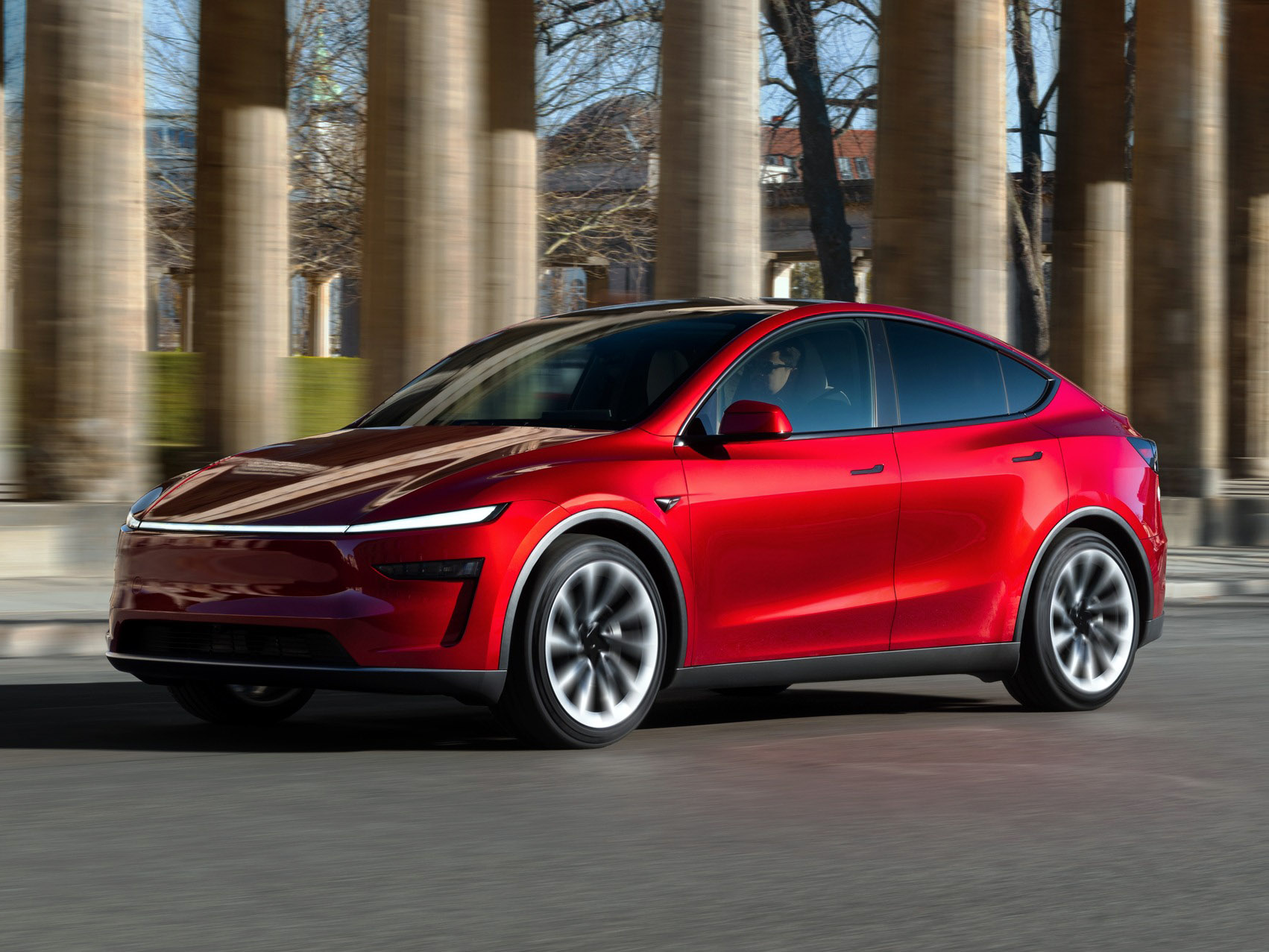
The US government is preparing to end the $7,500 federal tax credit for new electric vehicles, a move that could reshape demand in the sector as buyers have until September 30 to qualify under the current rules.
The subsidy, widely applied as a down payment on Tesla leases such as the Model Y, has been a central driver of EV adoption since its introduction under the Inflation Reduction Act.
The Internal Revenue Service (IRS) recently clarified that customers who complete purchase agreements before the September 30 deadline will still be eligible for the credit, even if vehicle delivery occurs later.
Under the updated interpretation of section 30D, the subsidy applies so long as the transaction is finalized within the current quarter. Dealers will be required to file a time-of-sale report, ensuring buyers can claim the incentive even if the vehicle is delivered after the cutoff date.
The phaseout marks a significant shift for the EV market, which has relied on government incentives to encourage early adoption. Federal data indicates the program has cost more than $2 billion annually, supporting sales of vehicles like Tesla’s Model Y and Model 3.
Analysts suggest that demand could soften once subsidies end, forcing automakers to compete more heavily on price, performance, and financing terms. Still, US EV sales have risen year-on-year, boosted by consumers rushing to take advantage of the final months of federal support.
At the state level, California is preparing to introduce its own incentive structure to offset the expiration of federal subsidies. In June, Governor Gavin Newsom signed an executive order outlining a framework for new rebates, vouchers, and credits under the state’s Low Carbon Fuel Standard program.
The plan aims to maintain consumer affordability while also funding fleet electrification and charging infrastructure projects.
Industry observers say California’s move could serve as a model for other states seeking to sustain EV adoption without federal backing. How the state structures its replacement program—whether by directly matching the federal $7,500 credit or offering a different mechanism—remains to be determined. Automakers, meanwhile, are expected to monitor the policy transition closely, as the end of subsidies places greater pressure on market competitiveness and long-term consumer demand.