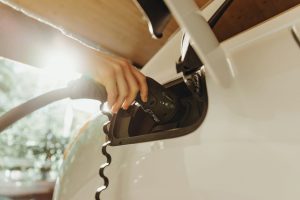



BYD has unveiled its second-generation Blade Battery, introducing what the Chinese new energy vehicle maker describes as “flash charging” technology capable of significantly reducing charging times.
The new battery can charge from 10% to 70% in five minutes and from 10% to 97% in nine minutes, the company said during a launch event on Thursday.
See also: BYD UK Announces Pricing And Specification Updates For 2026 Seal
BYD chairman Wang Chuanfu said the company deliberately designed the system to stop charging at 97% in order to improve efficiency. “Stopping the charge at 97% is a deliberate energy-saving measure,” Wang said, adding that the remaining capacity is reserved for regenerative braking to help reduce overall vehicle energy consumption.
The battery is also designed to address charging performance in extreme cold conditions. After being exposed to temperatures of minus 30 degrees Celsius for 24 hours, the battery can charge from 20% to 97% in 12 minutes, only three minutes longer than the charging time under normal conditions, according to BYD.
See also: BYD Offers Seven-Year Low-Interest Auto Loans in China Sales Push
The company said the new technology is compatible with about 4.8 million existing public charging points, allowing vehicles equipped with the battery to charge 30% to 50% faster than other models on current infrastructure.
Alongside faster charging, the second-generation Blade Battery increases energy density by more than 5%, which BYD said improves vehicle range.
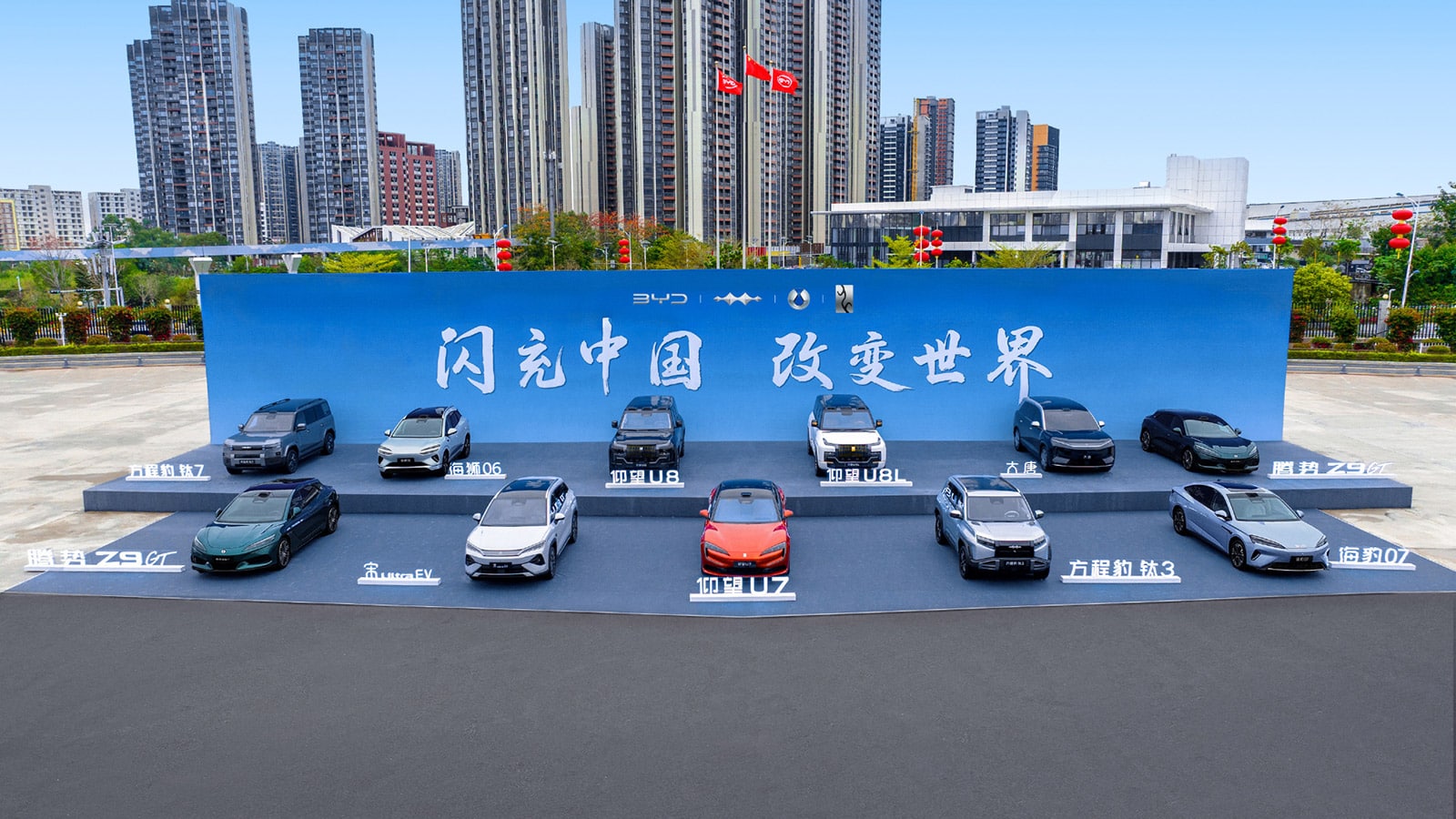
The battery will initially be installed in ten BYD models. The Yangwang U7, equipped with a 150-kWh battery pack, offers a pure electric range of 1,006 kilometres, while the all-electric Denza Z9GT can reach up to 1,036 kilometres, the company said.
BYD also highlighted improvements in battery longevity and safety. The company said it has increased the guaranteed capacity retention rate by 2.5% and will provide a lifetime warranty on the battery cells.
See also: BYD February NEV Sales Fall 41.09% to 190,190 Units as Exports Rise
In safety tests, the battery reportedly passed a combined charging and nail penetration test after 500 flash-charging cycles without producing smoke or flames. It also withstood a bottom impact test at ten times the force required by China’s latest national standards and endured a thermal runaway test in which four cells were short-circuited simultaneously without the pack catching fire or exploding.
The launch comes as BYD seeks to strengthen its position in the electric vehicle market amid weaker sales momentum in recent months.