


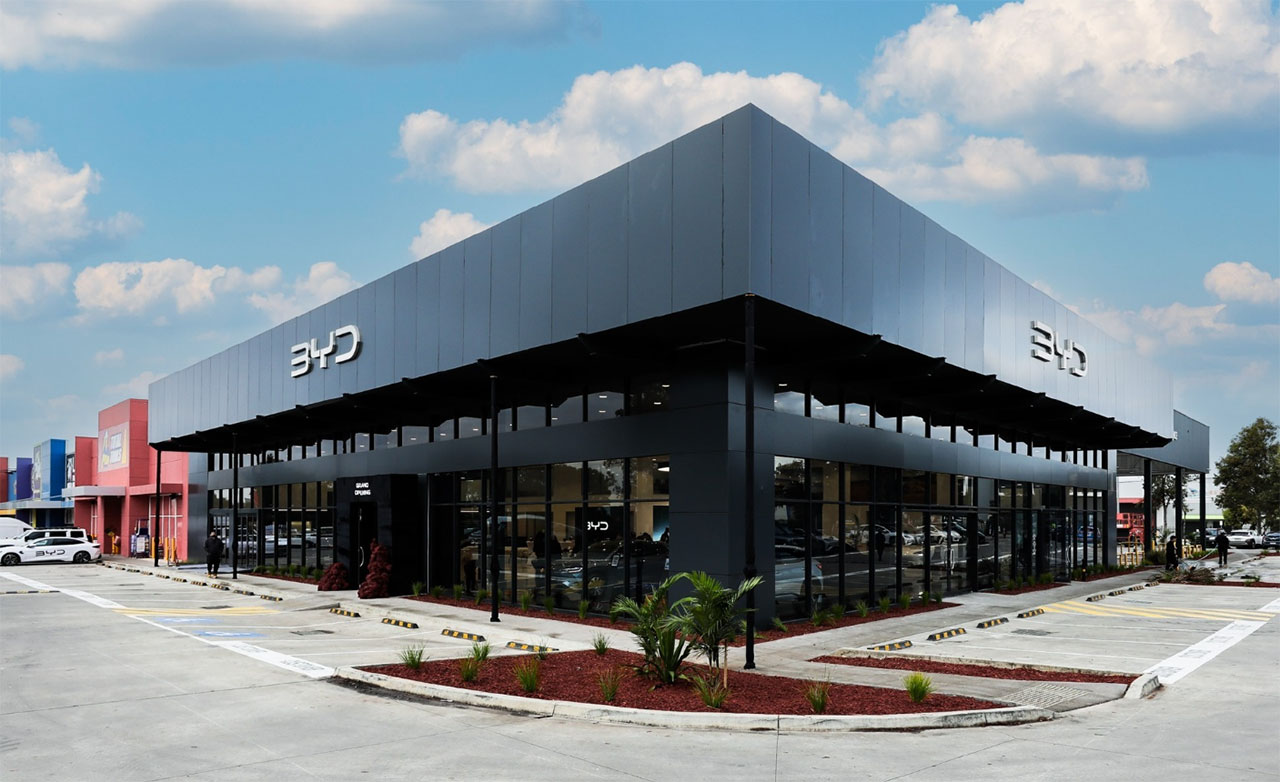
BYD said it does not expect any disruption to its business operations after being added to a U.S. Department of Defense (DOD) list of Chinese companies that the Pentagon alleges are linked to China’s military.
In a filing with the Hong Kong Stock Exchange, the Shenzhen-based electric vehicle and battery manufacturer said it is neither a Chinese military company nor a contributor to China’s military-civil fusion program.
BYD Challenges Pentagon Designation
The company said the Pentagon’s list should not be viewed as a sanctions list and does not prohibit commercial entities from conducting business with BYD.
According to the filing, the designation primarily affects the U.S. Department of Defense and does not impose broader restrictions on the company’s operations, customers or investors.
BYD stated that the listing will not affect its business activities or restrict trading of its securities.
The company added that it is evaluating available options and may seek a formal review of the decision.
“BYD is neither a Chinese military company nor a military-civil fusion contributor to the Chinese defense industrial base.”
The company said it may pursue legal action if necessary to seek removal from the Pentagon’s list.
Other Chinese Companies Also Included
The updated Department of Defense list, published this week, included several major Chinese automotive and battery companies.
Alongside BYD, the Pentagon added electric vehicle manufacturer Nio and battery producers CATL, CALB and EVE Energy.
Nio separately stated that the list is not a sanctions measure and said it does not expect any material impact on its business operations or securities trading.
The Pentagon also included autonomous driving technology suppliers such as LiDAR manufacturers Hesai Group and RoboSense.
Limited Immediate Impact
While inclusion on the list does not automatically trigger economic sanctions, it can restrict affected companies from obtaining contracts with the U.S. military and may increase scrutiny from policymakers and investors.
The designation is part of a broader U.S. effort to identify companies that Washington believes have connections to China’s defense sector.
Criticism of the Decision
The move has drawn criticism from some observers.
According to Bloomberg, John McEntee, a former senior White House official who now lobbies on behalf of Tencent Holdings, questioned the rationale behind including major automotive manufacturers on the list.
McEntee argued that applying the Pentagon’s criteria to companies such as BYD and Nio could lead to similar classifications for large U.S. automakers.
The publication of the list comes ahead of an anticipated visit by U.S. President Donald Trump to China, where trade and economic issues are expected to feature prominently in discussions between the two countries.
The latest development underscores ongoing tensions between Washington and Beijing over technology, national security and industrial policy, even as both sides continue efforts to manage broader economic relations.


