

BMW is considering equipping some of its larger electric models with range-extender technology, with a primary focus on the Chinese market, Bloomberg reported, citing sources familiar with the company’s strategy.
The German automaker is said to be evaluating extended-range electric vehicle (EREV) versions of high-end models such as the X5 sport utility vehicle and the 7 Series sedan, which are seen as large enough to accommodate both an electric drivetrain and a small combustion-based generator.
See also: BMW-GWM Joint Venture Spotlight Automotive Recalls Mini EVs in China Over Battery Risk
BMW has not confirmed specific product plans but said it is “continuously analyzing usage patterns, customer needs and market developments and reviewing the market potential of various technologies.” The statement follows renewed speculation that the Munich-based company is studying EREV powertrains as part of its response to intensifying competition and shifting customer preferences in China. Industry reports last year had already suggested BMW was exploring range-extender systems, though no production decision has yet been announced.
If BMW proceeds, it would become the first major German automaker to commercialize range-extender technology at scale. Volkswagen Group has explored similar drivetrains for China and is developing a large-vehicle platform with range-extender potential under its U.S.-based Scout brand, though no EREV models have yet entered production in the Chinese market.
See also: BMW Sees Path Back to Growth in China With Neue Klasse EV Series
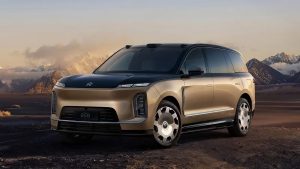
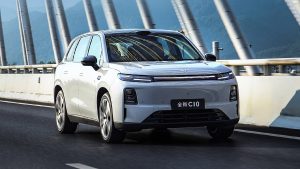
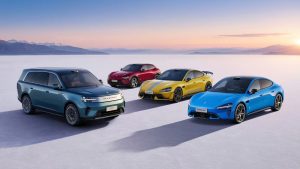
BMW’s interest comes as domestic Chinese automakers such as BYD, Li Auto, Avatr and IM Motors expand aggressively with electrified drivetrains, including range extenders. Even Xpeng, previously focused solely on battery-electric vehicles, has moved into the EREV segment.
The market outlook for range-extender vehicles in China, however, has become more mixed. While plug-in hybrid sales — the category under which EREVs are statistically grouped — rose sharply in 2024, growth slowed in 2025 as pure battery-electric vehicles regained momentum. By October 2025, BEV sales had surged past 1.1 million units from 842,000 a year earlier, while plug-in hybrid volumes showed more modest gains.
See also: BMW Partners with China’s Momenta to Develop Smart Driving System for Local Market
Li Auto, one of the earliest and most prominent EREV specialists, has also seen sales weaken in recent months. Analysts note that EREV technology remains best suited to large vehicles with long wheelbases, particularly in markets such as China and the United States, where long-distance driving remains common.
A range-extender vehicle is driven purely by an electric motor, with a small combustion engine used only to generate electricity when the battery is depleted. While electric-only driving range is typically lower than that of a full battery-electric vehicle, the combined driving range can exceed 1,000 kilometers, offering a compromise between EV driving and long-distance usability.