
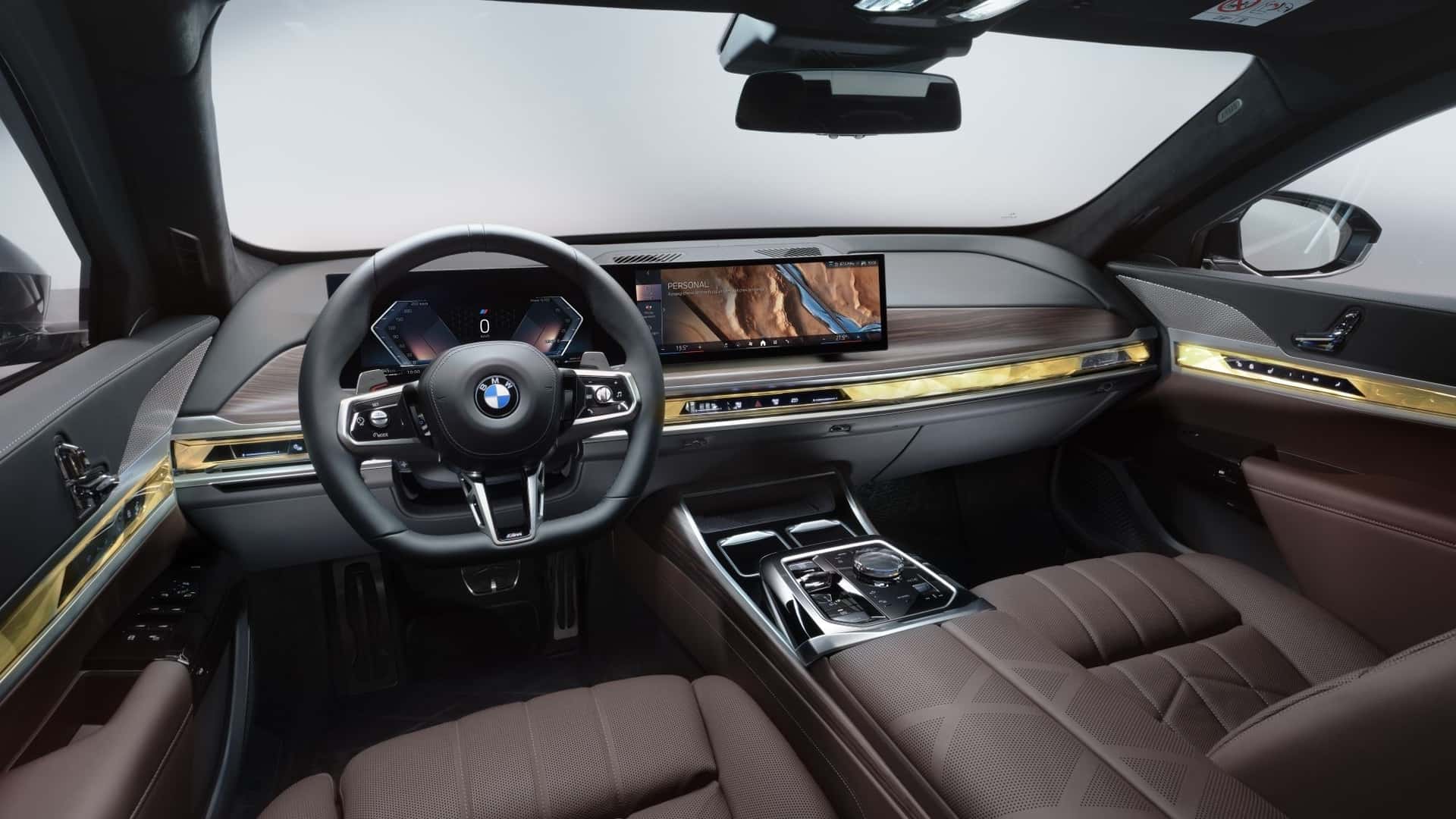
BMW said its strategy for keeping or removing physical controls in its vehicles is based on usage data collected from millions of cars, rather than following the wider industry trend of fully digital interiors.
Stephan Durach, BMW’s senior vice president of UI/UX development, said the company monitors how drivers interact with controls to decide which features remain as buttons and which shift to touchscreens or voice commands.
See also: BMW Launches Second-Generation iX3, First Model on Neue Klasse EV Platform
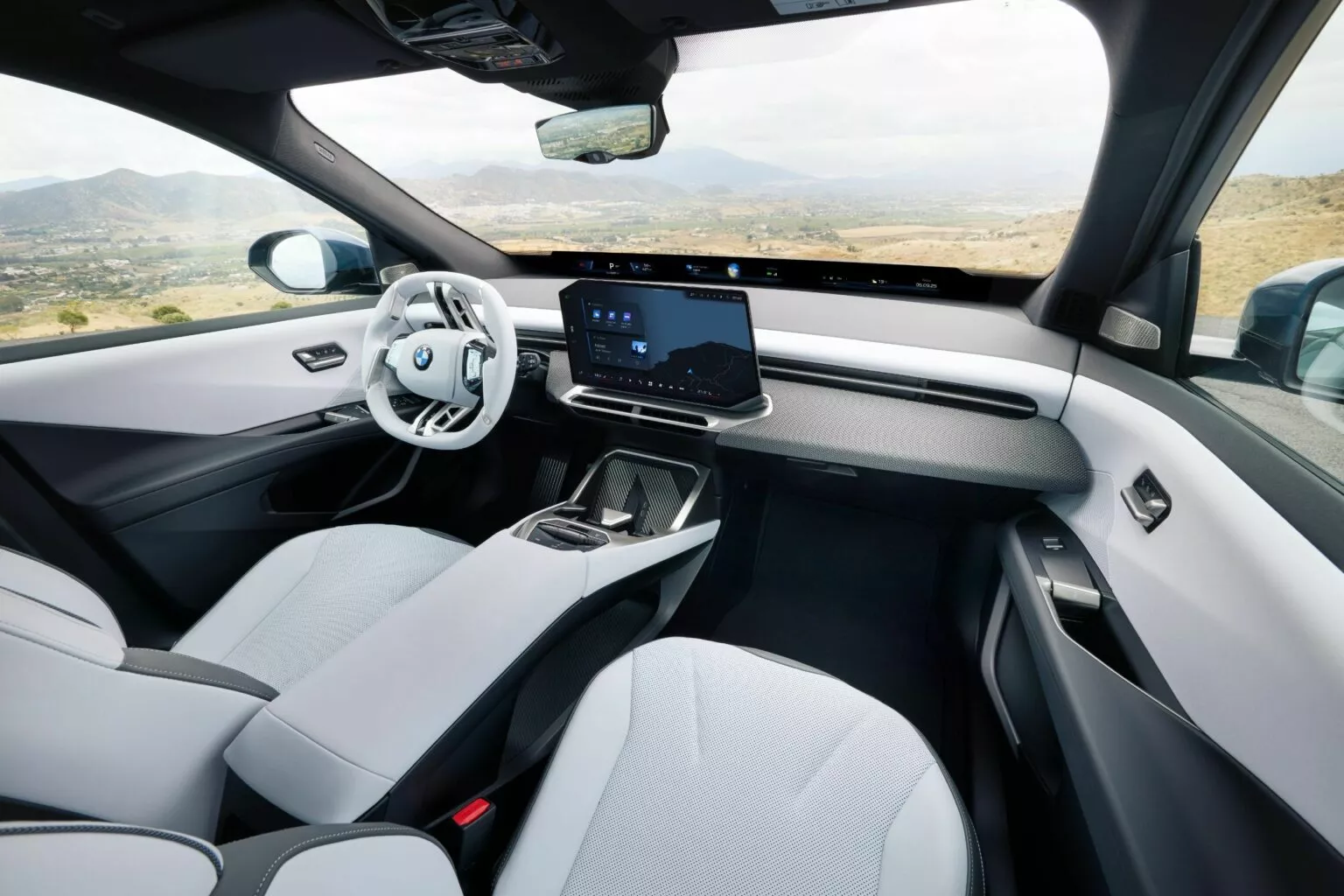
“We have ten million cars out there,” Durach told. “The decision of ‘what we’re taking out, what we’re keeping,’ was based on statistical user data.”
BMW said functions used almost every trip — such as volume, media controls, and driver assistance systems — are kept within reach on the steering wheel to minimize distraction. Essential features like seat adjustments, hazard lights, and window or mirror controls will remain physical.
“I don’t think it’s a good idea to remove every button,” Durach said, adding that the volume dial, despite multiple redundancies, still has no substitute.
See also: BMW Group Marks Sale Of Three Million Electrified Vehicles, With Over Half Fully Electric
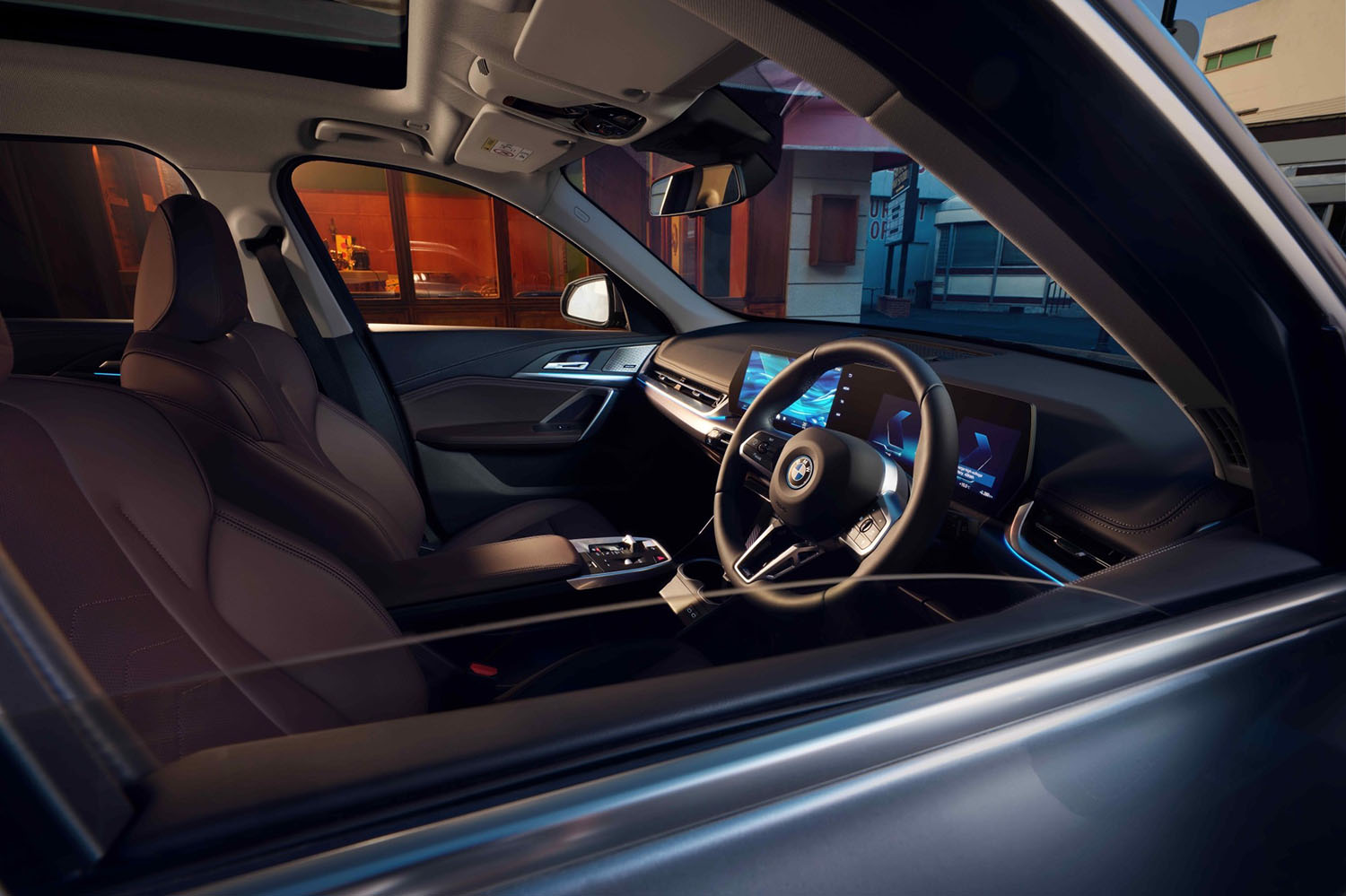
Durach acknowledged that the reduction of buttons can create mixed reactions among drivers. “It’s a mixture,” he said when asked if pushback is tied to nostalgia or a real loss of usability. BMW maintains that its data-driven approach, supported by features such as its Panoramic Vision display, will ultimately strengthen driver engagement.