



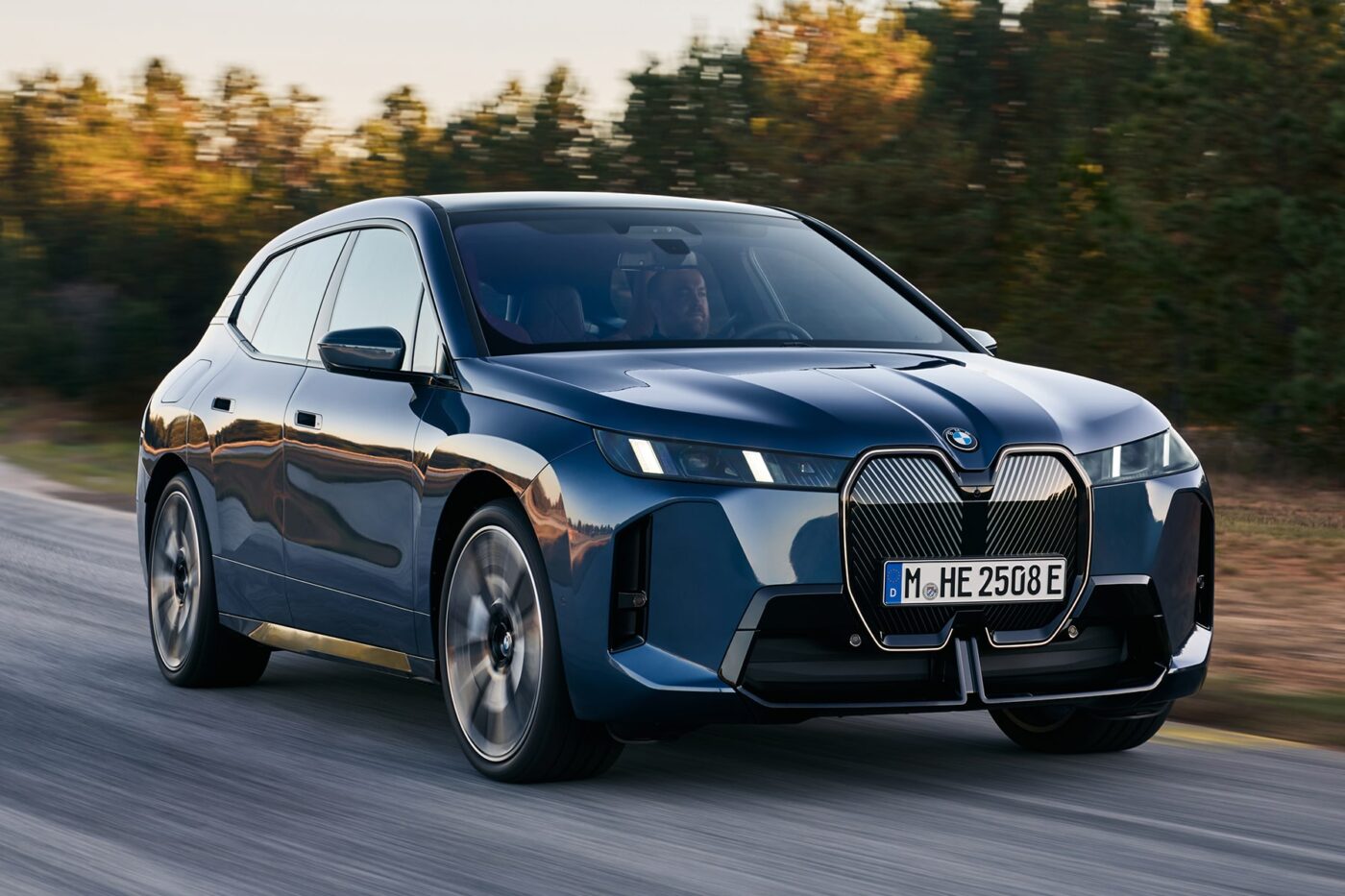
BMW Group reported solid growth in electric vehicle sales in Europe in 2025, even as overall demand weakened toward the end of the year, underscoring the region’s role as a key driver of the German carmaker’s electrification strategy.
The Munich-based group said battery-electric vehicle (BEV) sales in Europe rose by 28.2% year-on-year, although it did not disclose the absolute number of BEVs delivered in the region. Globally, fully electric vehicles accounted for about 18% of BMW Group sales last year.
See also: BMW U.S. Battery-Electric Vehicle Sales Fall 16.7% in 2025
When plug-in hybrid electric vehicles (PHEVs) are included, more than one in four BMW Group vehicles delivered worldwide in 2025 featured a charging port, representing 26% of total global deliveries. In Europe, the company said electrified vehicles performed particularly strongly, with BEVs accounting for roughly a quarter of total sales and BEVs and PHEVs combined exceeding a 40% share across the region.
“In 2025, in a challenging environment, the BMW Group sold more vehicles than in the previous year. Our electrified vehicles were in particularly high demand,” said Jochen Goller, a member of the board of management of BMW AG responsible for customer, brands and sales. “Europe reported especially strong growth, with battery-electric vehicles accounting for about a quarter of total sales, and BEVs and PHEVs combined reaching a share of over 40% across the region. We remain fully on track to meet our EU CO₂ fleet target for 2025.”
See also: BMW Unveils AI-Powered Alexa+ in 2026 iX3 as Neue Klasse EV Debuts
Across all powertrains, BMW Group delivered 2,463,715 vehicles worldwide in 2025, a 0.5% increase from the previous year. Deliveries of the BMW brand fell 1.4% to 2,169,761 units. Mini posted a sharp rise of 17.7%, delivering 288,290 vehicles, while Rolls-Royce deliveries slipped 0.8% to 5,664 units.
The company did not provide a detailed breakdown of BEV shares by brand, but said more than one in three Minis delivered last year were fully electric. BMW also marked a milestone for its British subsidiary, noting that Mini delivered its 100,000th fully electric vehicle in 2025, six years after launching its first electric model. Mini currently offers three electric models: the Cooper Electric, Aceman and Countryman Electric.
See also: BMW Completes Final Tests at Munich Plant Ahead of Neue Klasse EV Production
Despite the full-year growth, deliveries weakened in the final quarter. Between October and December, BMW Group sold 118,635 fully electric vehicles, down 10.5% from the same period a year earlier. Including plug-in hybrids, electrified vehicle deliveries totalled 171,800 units, a 6.6% decline year-on-year. By comparison, the group delivered 102,864 BEVs in the third quarter, when sales are typically lower than in the year-end period.
Looking ahead, BMW is preparing for the launch of its next-generation electric platform, Neue Klasse, which will debut with the electric BMW iX3. “Especially in Europe, 2026 will be marked by the Neue Klasse,” Goller said, adding that the group plans to introduce several new models, including updated versions of the BMW X5, 3 Series and 7 Series. BMW aims to launch more than 40 new or revised vehicles with various powertrains by 2027, but has not set specific sales or electrification targets for 2026.


