

BMW reported a sharp decline in U.S. battery-electric vehicle sales in 2025, even as its total vehicle deliveries in the market reached a record 388,897 units for the third consecutive year. BMW said BEV sales fell 16.7% year on year to 42,484 vehicles, highlighting a divergence between overall sales growth and weakening demand for fully electric models.
Data from BMW of North America showed that the slowdown intensified toward the end of the year. In the fourth quarter, BMW delivered 7,557 battery-electric vehicles in the United States, a drop of 45.5% from the same period in 2024, reflecting broader softness in U.S. EV demand during the final months of the year.
See also: BMW Completes Final Tests at Munich Plant Ahead of Neue Klasse EV Production

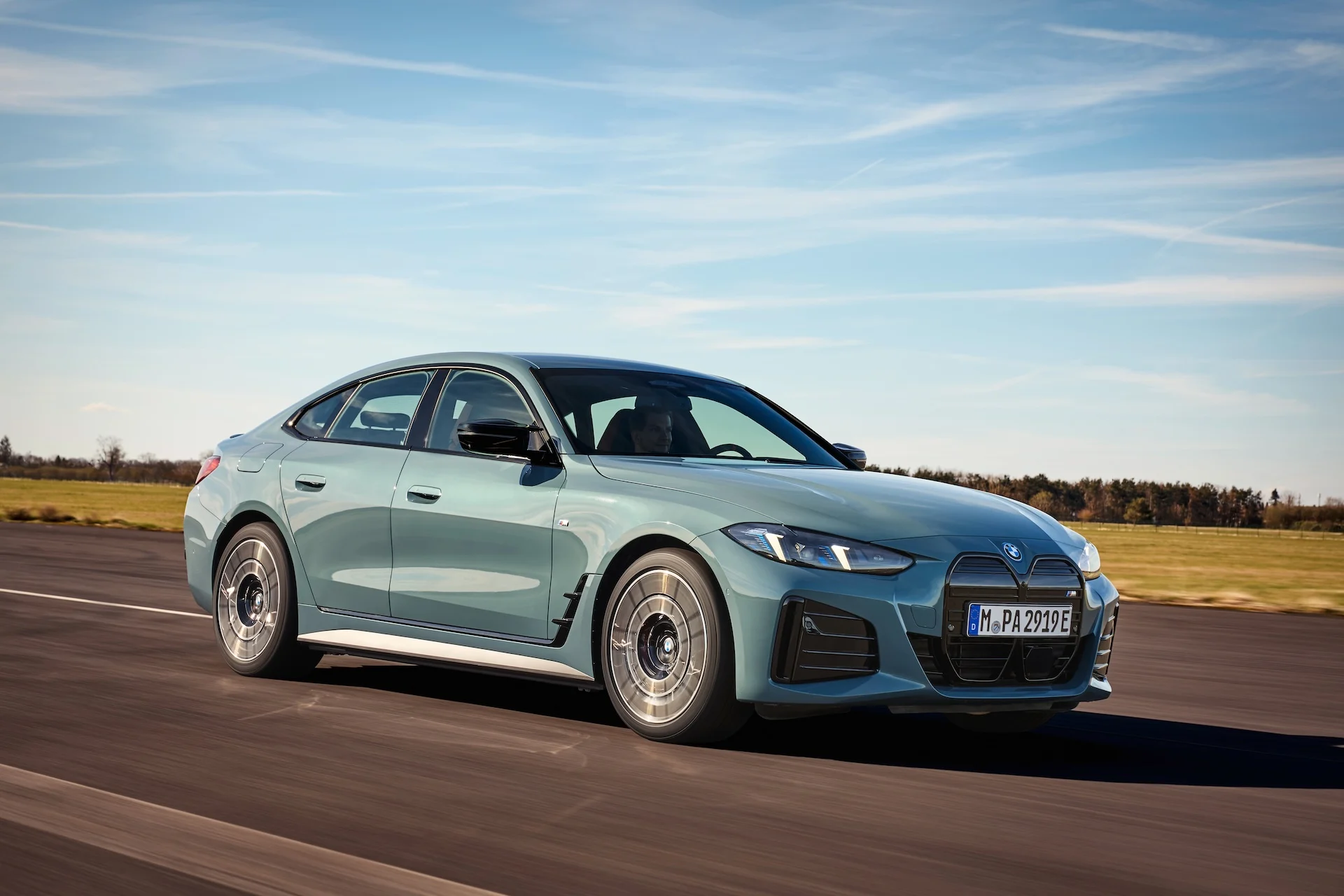
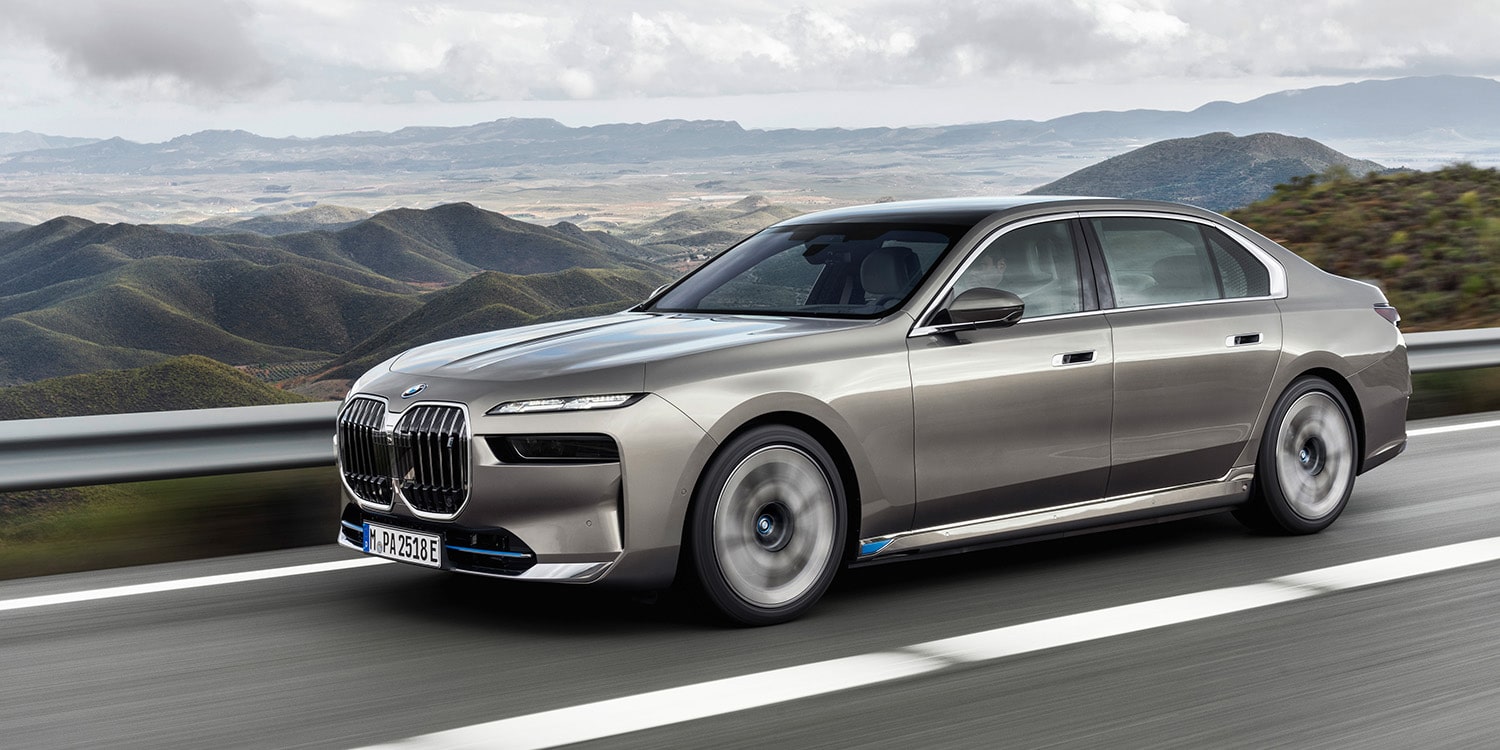
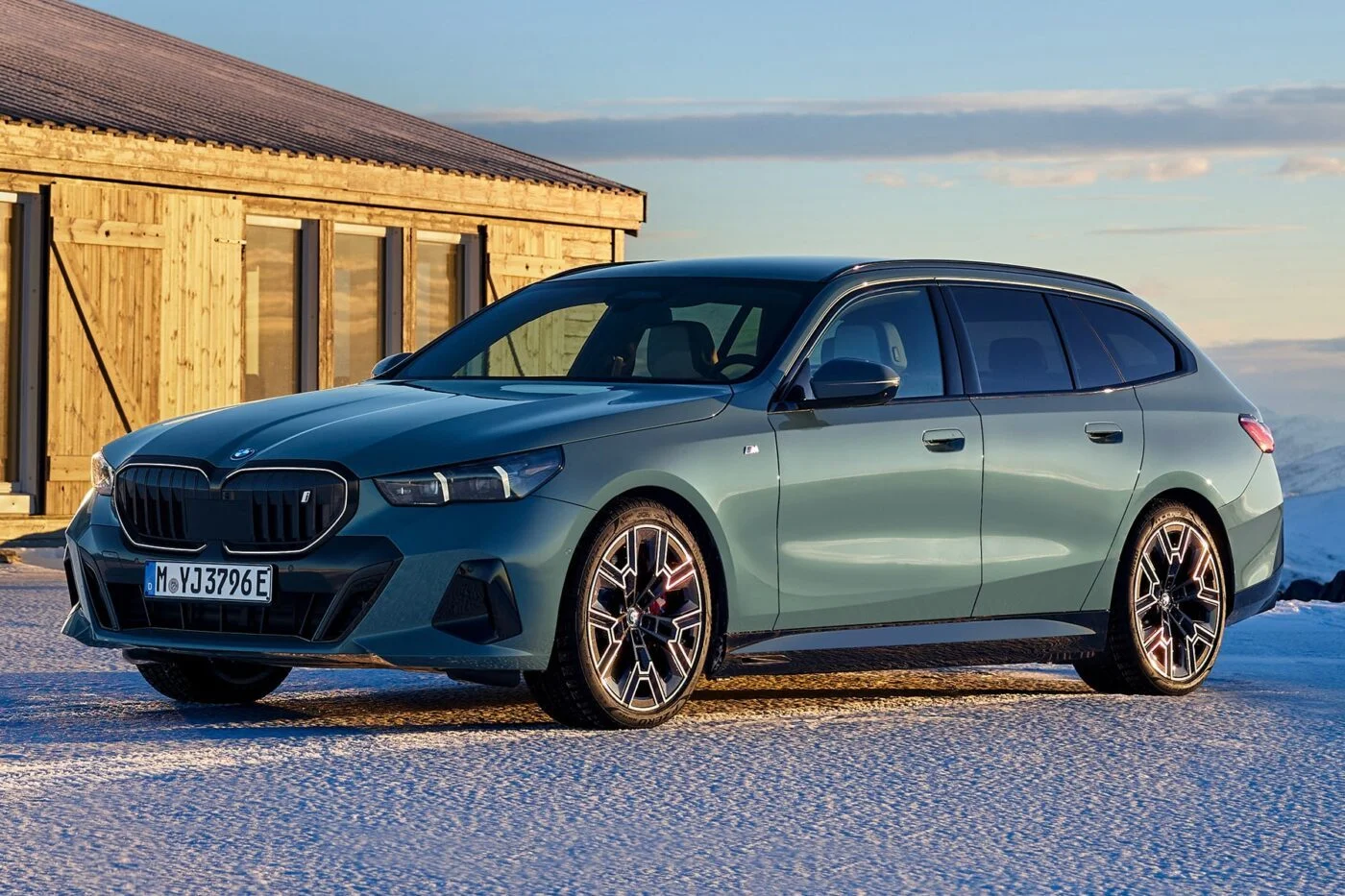
BMW’s BEV lineup—including the i4, i5, i7 and iX—posted year-on-year declines across both quarterly and full-year results. Full-year i4 sales fell 14.1% to 20,114 vehicles, while i5 deliveries dropped 21.5% to 6,877 units. Sales of the i7 and iX also declined by double-digit percentages compared with 2024.
In contrast, demand for plug-in hybrid electric vehicles strengthened. BMW sold 25,351 plug-in hybrids in the U.S. in 2025, up 30.7% from a year earlier, as customers increasingly opted for electrified models that offer extended driving flexibility.
See also: BMW EVs Gain Access to Over 25,000 Tesla Superchargers in U.S.

“Whether internal combustion engine, plug-in hybrid, or fully electric, we remain committed to giving our customers the freedom to choose the BMW and drivetrain that best fits their preferences and needs,” said Sebastian Mackensen, president and chief executive of BMW of North America.
BMW’s overall U.S. sales rose 4.7% from 2024, driven primarily by gains in light trucks and continued strength across its broader product lineup. The company said it remains focused on its long-term electrification strategy and is preparing for the U.S. launch of new electric models, including the upcoming BMW iX3, later this year.
In December 2025, the automaker integrated the Tesla Supercharger network into the BMW Charging Network in the United States, immediately adding access to more than 2,000 charging sites and over 25,000 individual Supercharger points nationwide.