





BMW plans to discontinue its Level 3 highly automated driving system and refocus on advanced Level 2 driver assistance technologies, according to a report by Germany’s Automobilwoche, highlighting industry doubts about the commercial viability of higher automation levels.
The Munich-based automaker is expected to phase out its “Personal Pilot L3” system, introduced in 2024, as part of the facelift of the BMW 7 Series scheduled for late April 2026. The system allowed the vehicle to take full control on motorways at speeds of up to 60 kph in traffic jams or slow-moving conditions, managing steering, speed and distance while the driver remained ready to intervene.
However, the technology has been costly and limited in practical use. It relies on expensive lidar sensors and operates only under specific motorway conditions, not at typical cruising speeds. As a result, BMW is reportedly reverting to Level 2 automation, which still requires driver supervision but can operate across a wider range of scenarios.
The shift is expected to reduce costs for buyers. Instead of paying around 6,000 euros for Level 3 capability, customers of the updated 7 Series and the electric i7 may pay closer to the price of BMW’s newer Level 2 system offered on the upcoming iX3, which is listed at about 1,450 euros.
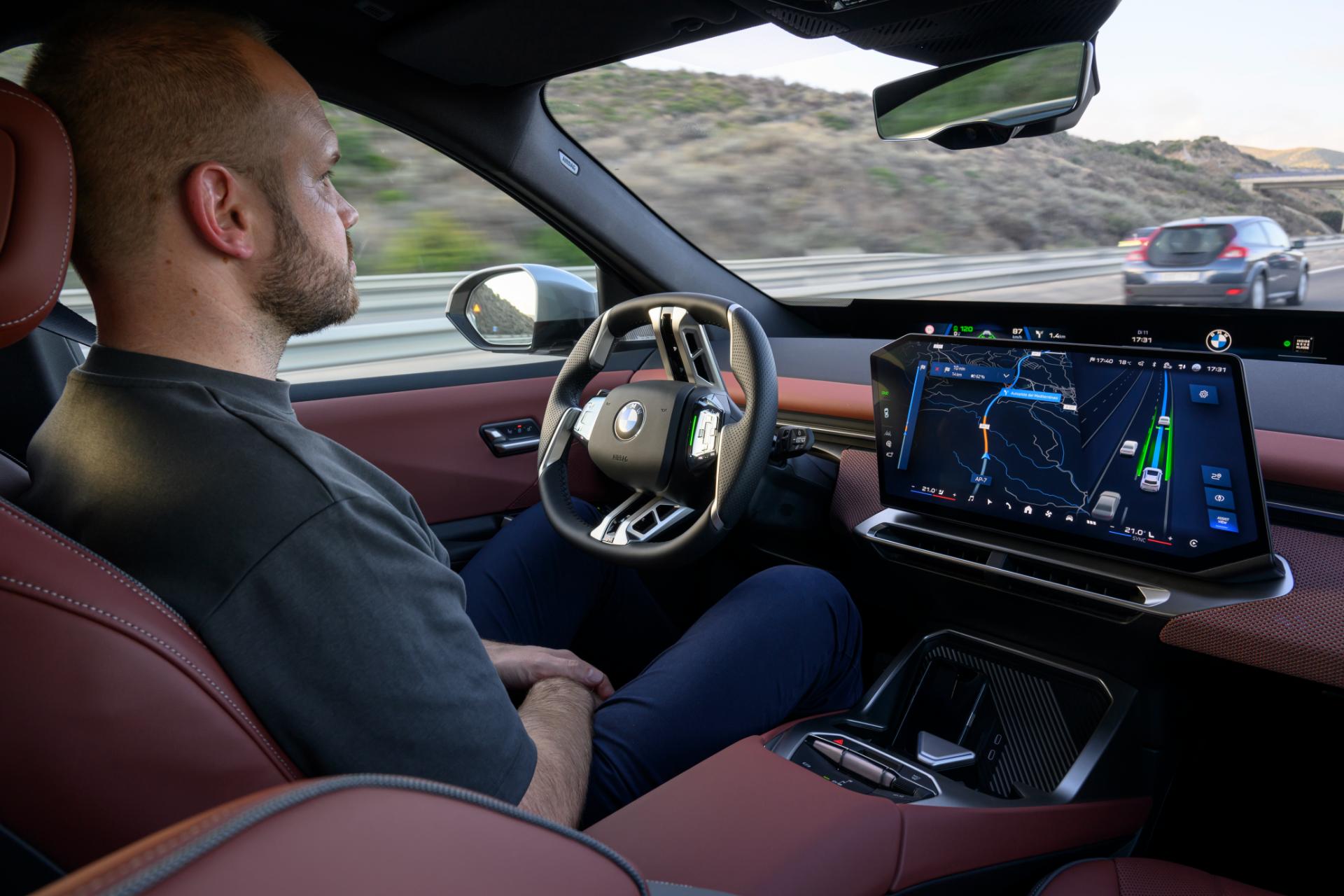
The replacement technology will include a “Motorway Assistant” capable of hands-off driving at speeds of up to 130 kph, provided drivers remain attentive (“hands-off, eyes-on”). The system can maintain lane position and perform automatic lane changes, requiring only driver confirmation via a glance.
BMW is introducing this new assistance suite first on the iX3, the debut model of its next-generation “Neue Klasse” platform. The optional “Motorway & City Assistant” package also includes urban driving features such as stopping at traffic lights and automated acceleration, with additional functions planned via over-the-air updates. The system has received DCAS certification, enabling deployment in about 60 countries.
Mercedes-Benz has taken a similar approach. The German rival recently paused its Level 3 Drive Pilot programme for the S-Class and EQS and is instead focusing on advanced Level 2 systems designed for broader real-world usability.
The shift by two major premium automakers underscores industry concerns that Level 3 automation currently offers limited benefits relative to its cost and regulatory complexity, prompting a focus on scalable driver-assistance technologies that can be deployed globally.


