
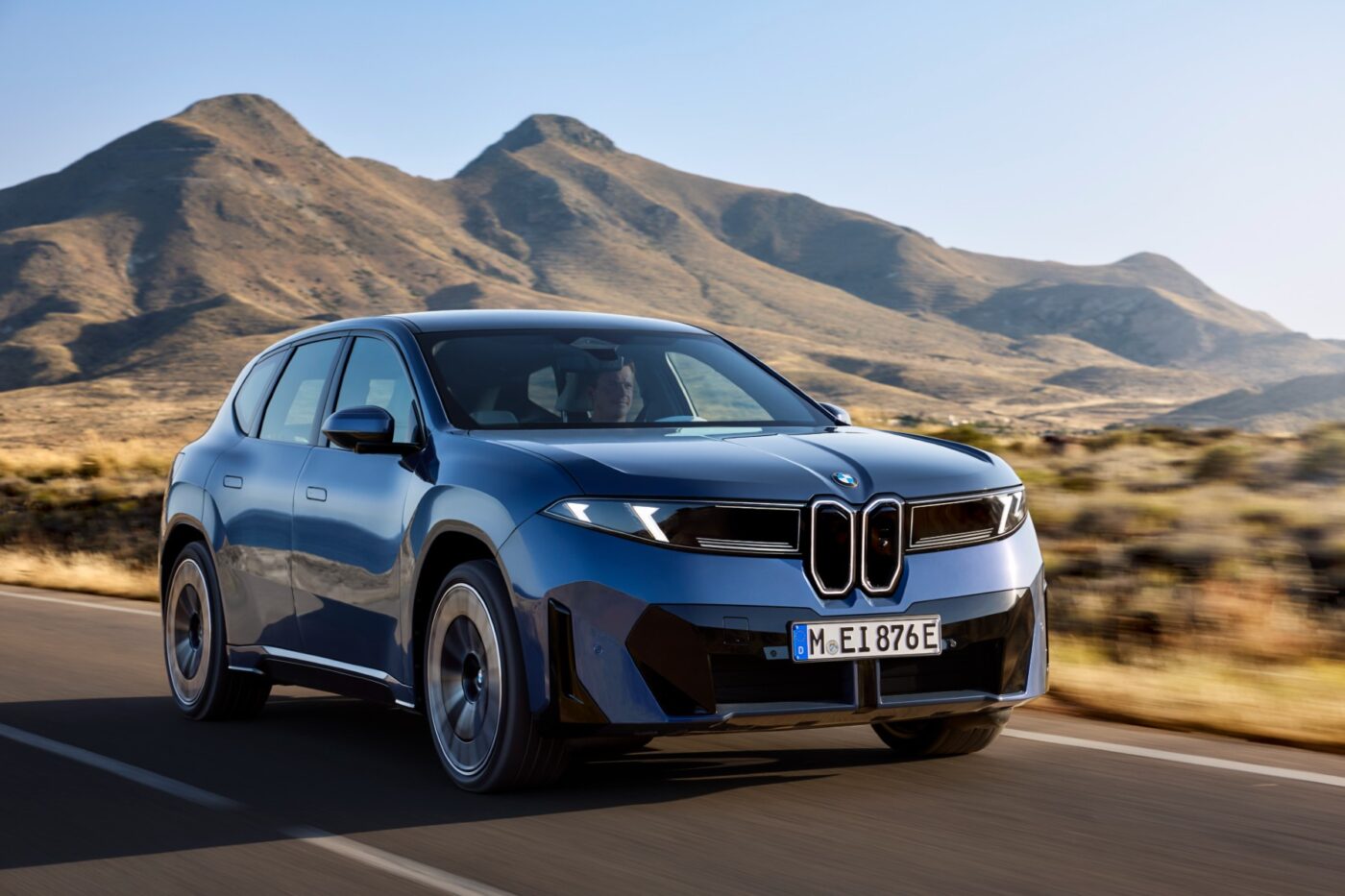
German automaker BMW has expanded its electric SUV lineup with the introduction of the iX3 40, a rear-wheel-drive variant positioned as a more affordable alternative within its new-generation platform.
The iX3 40 is priced from €63,400 in Germany, undercutting the all-wheel-drive iX3 50 xDrive by €7,500. Despite the lower price point, the model offers a WLTP range of up to 635 kilometres. Market launch is scheduled for summer 2026, with production set to take place at BMW’s Debrecen plant in Hungary.
Built on BMW’s Neue Klasse architecture, the iX3 40 features a sixth-generation electric motor delivering 235 kW and 500 Nm of torque. The rear-mounted electrically excited synchronous motor enables the vehicle to accelerate from 0 to 100 km/h in 5.9 seconds, with a top speed of 200 km/h.
The model is equipped with an 82.6 kWh battery using cylindrical cells, which BMW says improve energy density by around 20% compared to previous prismatic cell designs. The battery supports 800-volt architecture, enabling DC fast charging at up to 300 kW, with a 10% to 80% charge achievable in approximately 21 minutes. AC charging is rated at 11 kW as standard, with an optional 22 kW onboard charger available.
BMW said the iX3 40 also supports bidirectional charging functions, including Vehicle-to-Load (V2L) and Vehicle-to-Home (V2H), aligning with features introduced in the higher-spec iX3 50 xDrive.
In terms of design and equipment, the new variant closely mirrors the all-wheel-drive model, following the minimalist styling approach of the Neue Klasse. Standard exterior and interior specifications remain largely unchanged across both versions.
The introduction of the iX3 40 follows a price adjustment for the iX3 50 xDrive, which increased from its initial launch price after additional features were introduced earlier this year, including enhanced AC charging capabilities and new customization options.
BMW said demand for the iX3 has been strong, with a significant portion of the planned 2026 production of the iX3 50 xDrive already allocated through early orders. The company previously indicated it would add an additional production shift to meet demand.