
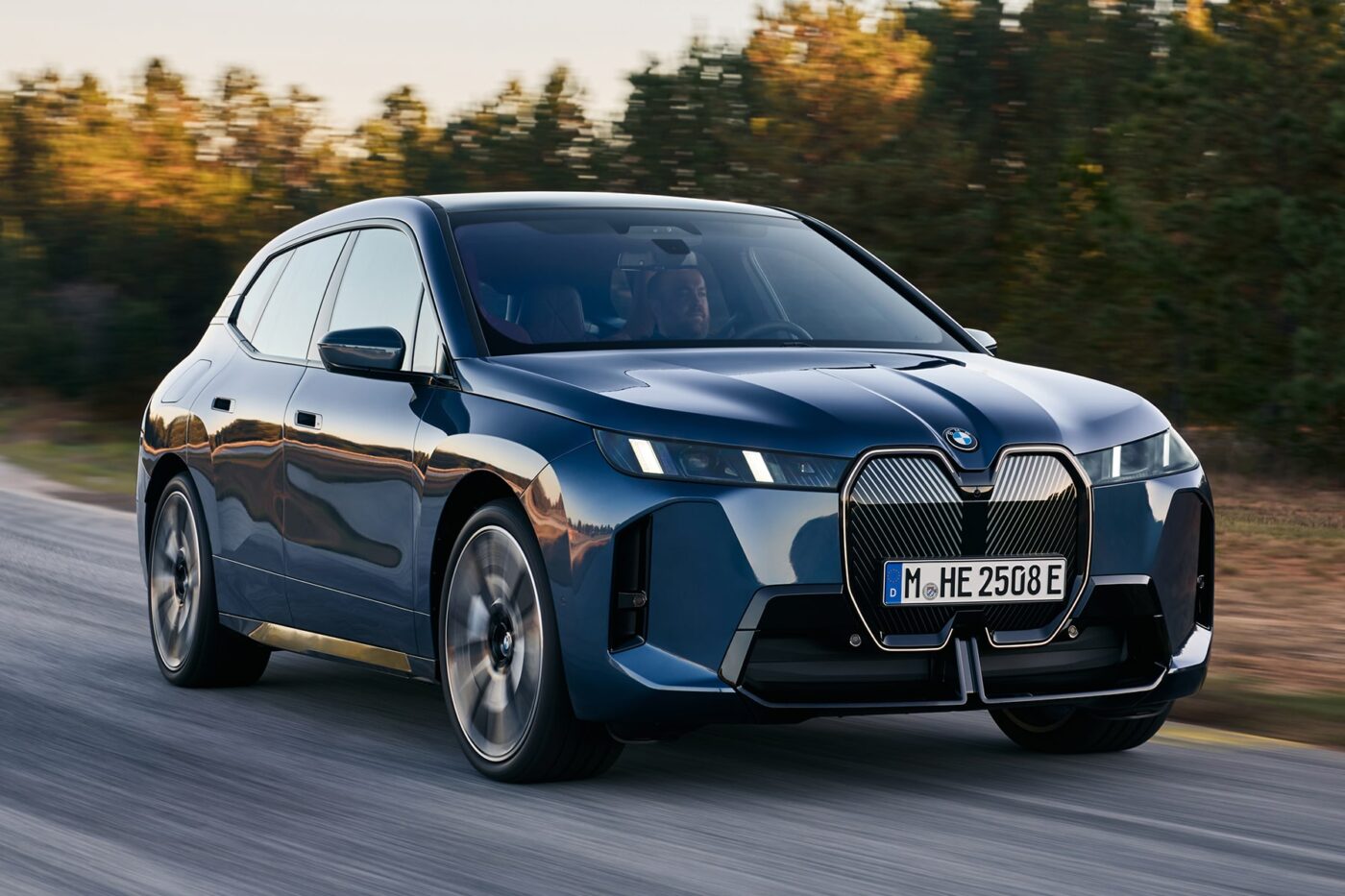
BMW has issued a new recall in the United States for 136 of its electric vehicles, citing concerns over battery cell modules that may have been improperly assembled, potentially leading to power loss or increased fire risk.
The latest recall follows another notice issued less than a month ago involving more than 70,000 EVs with software-related high-voltage system shutdowns. In the current case, BMW identified a problem in the manufacturing process where the compression force used to assemble battery cells into modules may have exceeded design specifications.
The automaker said that over time, particularly with repeated charging cycles, this could cause the module frame to weaken or fail, resulting in the shutdown of the high-voltage system. Such a failure would lead to a complete loss of propulsion and raise the risk of a crash. BMW also acknowledged a heightened risk of thermal incidents if the module integrity is compromised.
The recall affects select units of the 2022–2025 BMW iX, 2023–2024 BMW i7, and 2022–2023 BMW i4 models. All 136 vehicles involved are believed to carry the defect, according to the automaker. Affected iX vehicles were manufactured between November 3, 2021, and February 14, 2024; i7s between June 12, 2023, and July 19, 2023; and i4s between June 2, 2022, and May 11, 2023.
BMW’s internal analysis suggests that damage to the module frame may not occur until late 2026, but the company opted to issue a recall now as a precautionary measure. Notification letters will be sent to owners beginning September 5, and dealerships have already been instructed to replace the high-voltage battery modules in all impacted vehicles.