
BMW Group reported lower battery-electric vehicle (BEV) deliveries during the first half of the year, as declining sales in China weighed on global performance despite stronger demand in Europe.
The automaker said its BMW, MINI and Rolls-Royce brands delivered 204,295 fully electric vehicles between January and June, down 7.4% from the same period a year earlier.
The first half, however, showed contrasting trends. After weaker performance in the first quarter, BMW returned to growth in the April-to-June period, delivering 116,807 battery-electric vehicles, up 5.2% year over year.
European Demand Drives Second-Quarter Recovery
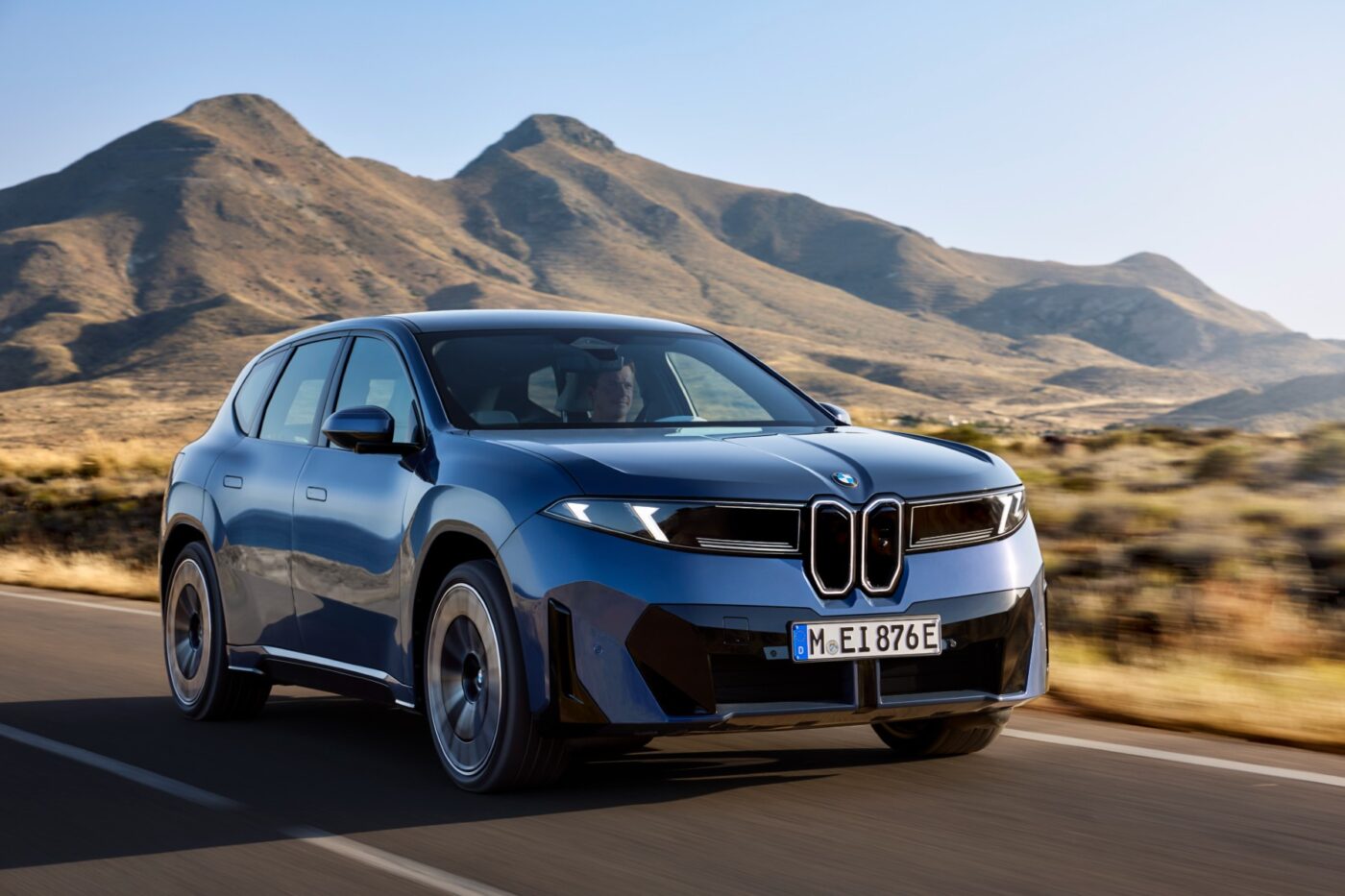
BMW attributed the second-quarter improvement to the rollout of the new BMW iX3, which was introduced first in Europe.
The company said battery-electric vehicle deliveries in Europe rose 38% during the second quarter to 81,445 units. In Germany, BMW ranked second in registrations of fully electric passenger vehicles during the quarter.
While BMW did not provide a regional breakdown for China or North America, the company indicated that Europe accounted for the majority of its second-quarter electric vehicle sales. The remaining global markets collectively represented 35,362 BEV deliveries during the period, reflecting continued weakness outside Europe.
Electrified Vehicles Represent One in Four BMW Sales
Including plug-in hybrid electric vehicles (PHEVs), BMW Group delivered 295,407 electrified vehicles in the first half of the year, down 7.4% from a year earlier. During the second quarter, electrified vehicle deliveries edged up 0.8% to 162,870 units.
Plug-in hybrid models accounted for 91,112 deliveries during the first six months of the year and 46,063 units in the second quarter.
Battery-electric vehicles represented 17.6% of BMW passenger car deliveries during the first half, while electrified vehicles—including plug-in hybrids—made up 25.5% of total sales, meaning roughly one in every four BMW passenger cars delivered featured a plug.
Those figures remain higher than the electric vehicle sales mix reported by several other German automakers.
China Continues to Weigh on Global Deliveries
BMW Group said worldwide passenger car deliveries totaled 1.156 million units during the first half of the year, a 4.2% decline compared with the same period in 2025.
The company attributed the decrease largely to weaker demand in China, where deliveries fell 20.4% to 261,773 vehicles during the six-month period. Second-quarter sales in the country declined 30%.
Growth in other regions partially offset the decline. Vehicle deliveries increased approximately 5.4% in Europe and 3.9% in the United States.
Among the Group’s brands, BMW recorded a 6.2% decline in global deliveries during the first half. MINI continued its growth momentum, with global sales rising 11.7% to 149,538 vehicles, supported primarily by demand for its fully electric models.
Rolls-Royce delivered 2,523 vehicles during the period, down 9.8%, while BMW Motorrad reported sales of 102,847 motorcycles and scooters, a decline of 2.9%.
BMW’s results follow similar first-half reports from other German manufacturers, with weaker performance in China continuing to affect the automotive industry. Despite the decline in electric vehicle deliveries, BMW maintained one of the highest battery-electric vehicle sales shares among major German premium automakers.