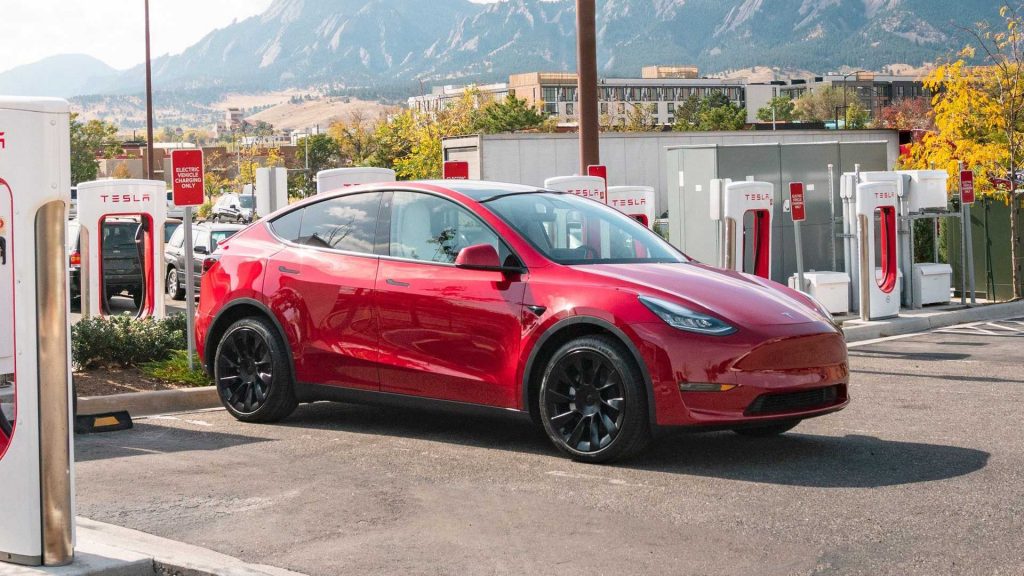



Blink Charging Co. said it has formed a strategic collaboration with software firm BetterFleet to deliver integrated management tools for electric vehicle fleets, combining charging infrastructure with artificial intelligence-driven planning technology.
The partnership targets government agencies, utilities, transit operators and logistics companies deploying large EV fleets across North America. Blink will provide charging hardware, network services and infrastructure support, while BetterFleet contributes software designed to optimize fleet electrification.
See also: Blink Charging Introduces Stablecoin Payments at Select U.S. Fast Chargers
BetterFleet’s platform uses digital twin technology to create a virtual model of vehicles, charging assets, routes and energy systems. The approach allows operators to simulate deployment scenarios, optimize charger placement and vehicle selection, and anticipate grid requirements before installation.
Chief Executive Daniel Hilson said the system is intended to reduce operational risk as organizations transition from combustion vehicles to electric fleets. By linking planning tools with live operations, the software can help maintain vehicle availability and minimize downtime.
See also: Blink Charging Shifts to Contract Manufacturing to Boost Efficiency and Scalability
Blink President and CEO Mike Battaglia said the collaboration expands the company’s role beyond equipment supply to include ongoing fleet management support. He said the combined offering aims to simplify electrification for organizations managing complex operations.
The software is hardware-agnostic and can integrate with multiple vehicle brands and charging systems, including Blink’s existing fleet infrastructure. BetterFleet currently supports more than 200 fleets worldwide in sectors where reliability is critical.
The companies said the joint solution will enable real-time charge management, route optimization and infrastructure planning, potentially lowering total deployment costs and improving utilization of charging assets.
As electric fleets scale, operators face challenges ranging from grid constraints to operational scheduling. Industry analysts say digital planning tools and integrated management platforms are increasingly viewed as essential components of large-scale electrification strategies.