
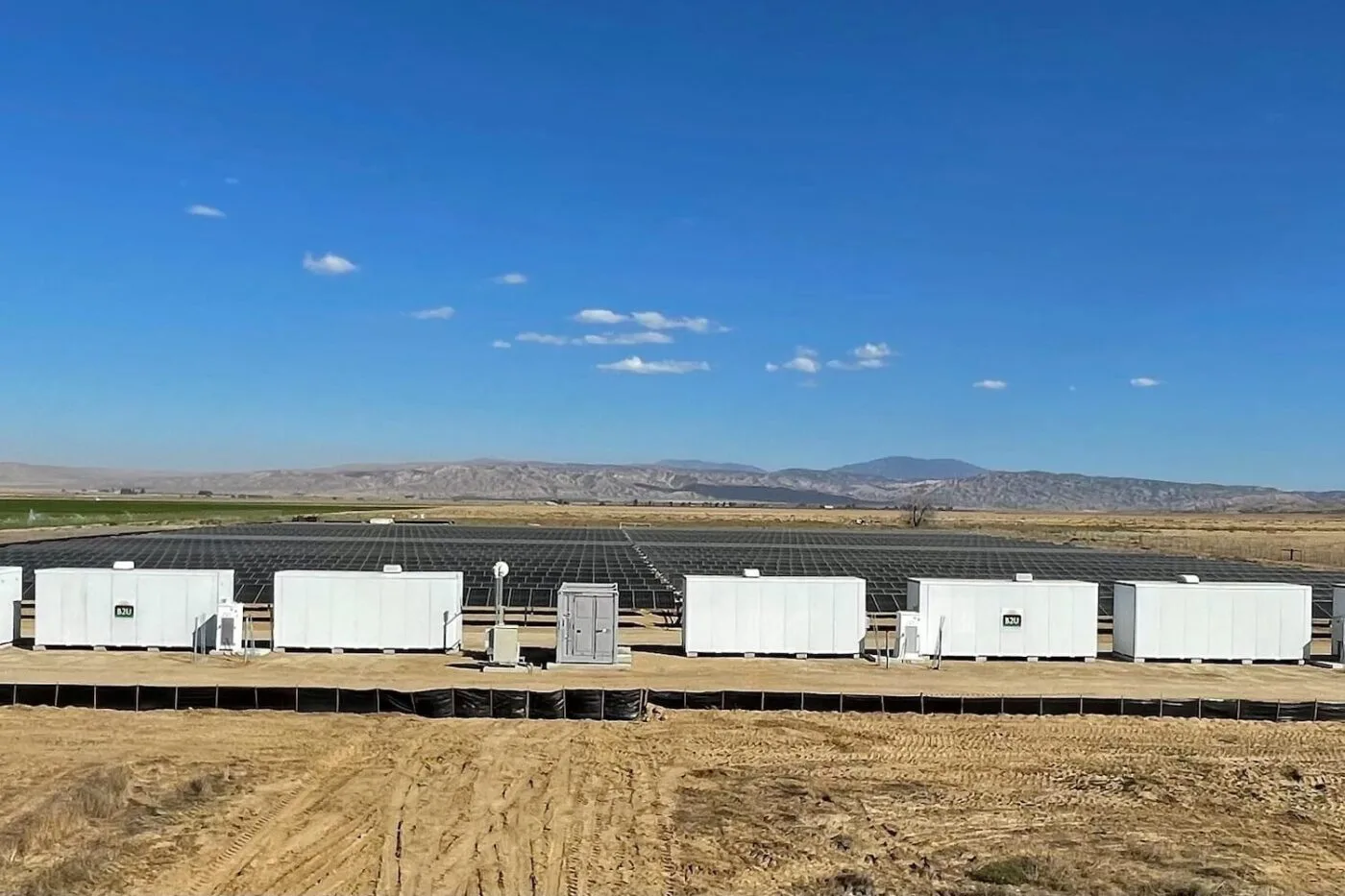
B2U Storage Solutions, a Los Angeles-based energy storage provider, plans to install four large-scale battery storage facilities in Texas over the next year, using discarded electric vehicle batteries to provide a combined capacity of 100 megawatt-hours (MWh). The first facility is already under construction in Bexar County, near San Antonio, the company said.
The new projects build on B2U’s earlier work in California, where the company operates a solar and battery storage system in Lancaster that uses 1,300 battery packs from retired Honda and Nissan electric vehicles, delivering 25 MWh of capacity. Additional smaller sites have since been added in the state.
B2U’s Texas expansion targets areas with significant solar generation, enabling the storage of excess electricity when production is high and prices are low, and feeding it back into the grid during peak demand periods. “Texas has been a very strong market with ever more volatility,” CEO Freeman Hall told Canary Media. “And that’s the strength of storage: they use volatile conditions to their advantage.”
The company says its operational experience shows that second-life EV batteries can exceed durability expectations. In its Lancaster project, early Nissan Leaf battery packs have surpassed the initial target of 2,000 charge cycles. Of the 2,000 battery packs installed across B2U’s systems so far, only a single-digit number have required maintenance. Real-time monitoring has also allowed for more intensive use without significant degradation. “They’re turning out to be pretty strong workhorses that don’t degrade as people thought they might,” Hall said.
B2U sees second-life batteries as a cost-effective, sustainable solution to expand energy storage capacity while extending the useful life of EV batteries, potentially reducing waste and supporting renewable energy integration into the grid.