


Aston Martin announced on Wednesday it will cut 5% of its workforce after reporting a sharp increase in fourth-quarter losses, marking another setback for the luxury automaker as it struggles to adapt to the electric vehicle (EV) transition.
The British luxury carmaker posted a 400% surge in pre-tax losses for the final quarter of 2024, missing full-year estimates as wholesale volumes fell 9% year-on-year. The company’s debt burden also grew 43% to 1.16 billion pounds ($1.47 billion). CEO Adrian Hallmark cited “industry-wide supply chain disruptions” and “macroeconomic weakness in China” as key factors behind the disappointing performance.
See also: Aston Martin Delays Electric Vehicle Plans, Shifts Focus to Plug-In Hybrids
Aston Martin’s wholesale volumes in China fell 49% last year, with the company facing mounting pressure from EV leaders such as BYD, Tesla, Xpeng, and Nio. In response to financial pressures, the automaker has once again delayed its first fully electric vehicle, which was originally set for release in 2025, then pushed to 2026. It is now expected to arrive “in the latter part of this decade.”
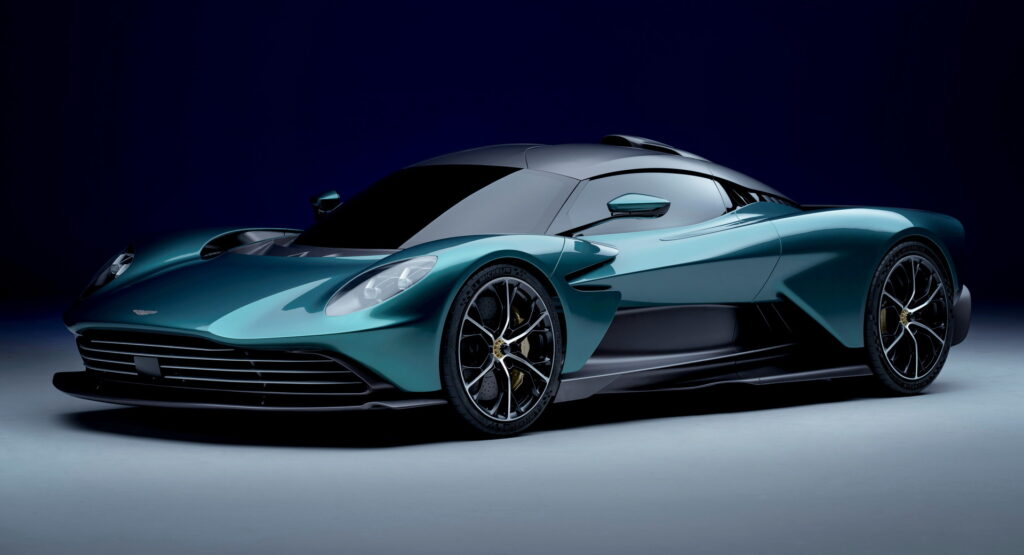
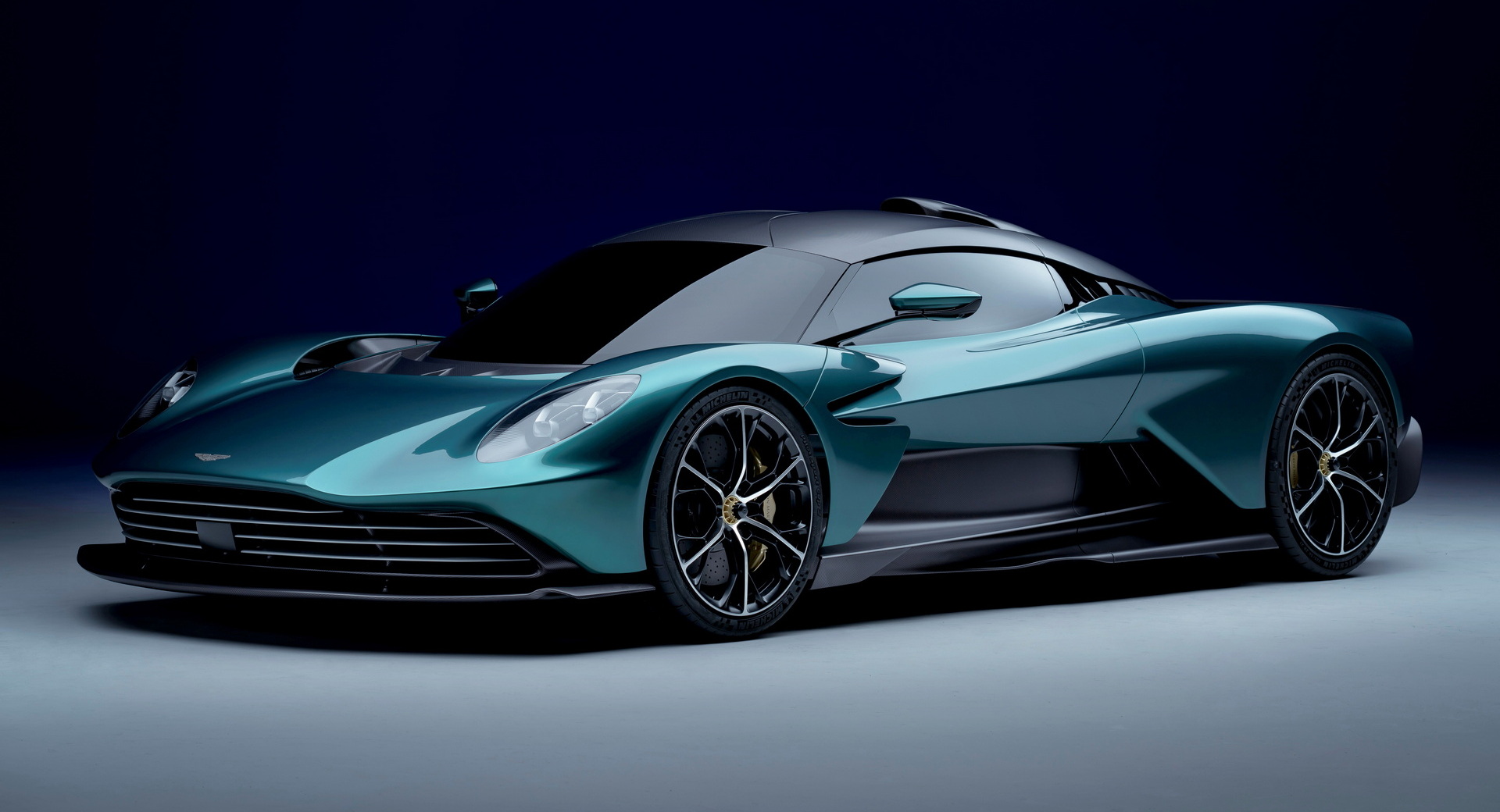
The company is instead focusing on its first plug-in hybrid, the Valhalla, which will launch later this year with a limited production run of 999 units, all of which are already sold out.
See also: Aston Martin to Collaborate with Lucid Group in Manufacturing High-Performance Electric Vehicles
Aston Martin joins a growing list of automakers announcing job cuts amid intensifying competition and weakening demand in China. Porsche recently revealed plans to cut 1,900 jobs in Germany by 2029, while other global automakers, including Ford, Nissan, Stellantis, and Volkswagen, have also announced workforce reductions.
Meanwhile, Mercedes-Benz is reportedly preparing to cut up to 15% of its workforce in China by 2027, as the German automaker faces increased pressure from lower-cost, technologically advanced Chinese EVs. Mercedes’ sales in China fell 7% last year, according to Bloomberg.