



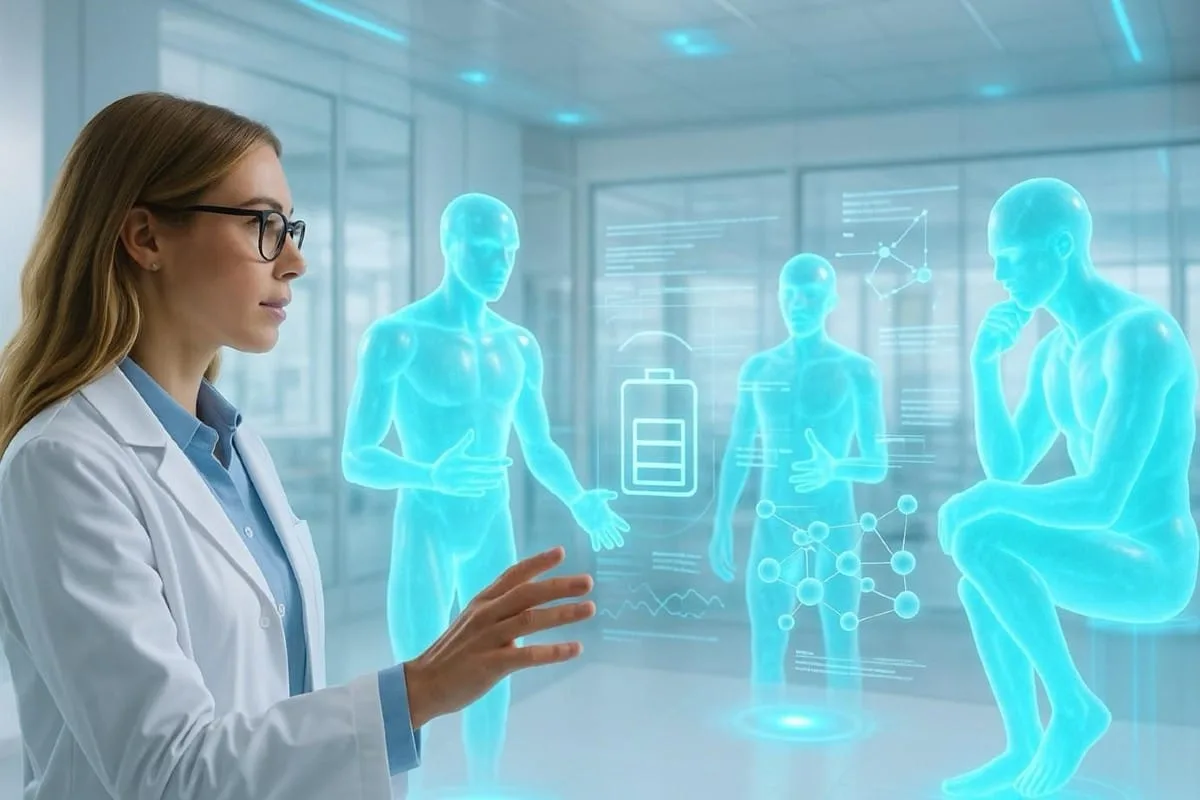
Researchers at Germany’s University of Bayreuth and the Hong Kong University of Science and Technology have developed an artificial intelligence (AI)-based multi-agent system to rapidly generate new battery electrolyte materials, potentially shortening the early phases of battery research from months to hours.
Battery material discovery traditionally involves time-consuming experimental testing, with researchers first identifying promising candidates through extensive literature review and trial. The newly introduced AI approach leverages two specialized software agents based on large language models, such as ChatGPT, which collaborate by simulating a scientific debate to propose novel electrolyte compositions.
“Promising material compositions must first be found and then experimentally tested – a process that often takes weeks or even months,” the project managers said. The new AI method achieves comparable outcomes in just a few hours.
Professor Francesco Ciucci from the University of Bayreuth, who leads the project, described the system as “a creative scientific partner with two specialised agents that analyse relevant literature.” He added, “Through a subsequent simulation of a scientific debate, the two agents combine ideas from their extensive training data and the literature to propose novel electrolyte compositions.”
Dr. Matthew J. Robson from the Hong Kong University of Science and Technology highlighted the broader implications of the technology: “We have designed a blueprint for scientific research that transforms AI from a passive tool for data analysis into an active, creative partner that can generate truly novel and high-quality hypotheses.”
The AI-generated electrolyte candidates were tested in laboratory conditions, focusing on zinc-ion battery technology. One of the proposed electrolytes exhibited “outstanding performance,” with durability demonstrated over more than 4,000 charge and discharge cycles. It also set a new fast-charging record within its electrolyte class and showed nearly 20% higher capacity at rapid charging speeds compared to comparable systems.
“Our new multi-agent system acts as a creative scientific partner, with two specialised agents analysing relevant literature,” Ciucci said. “Combined with validation through laboratory experiments and the critical judgment of researchers, promising AI suggestions could lead to faster solutions to global challenges.”
The research was recently published in the journal Advanced Materials under the title “Multi-Agent-Network-Based Idea Generator for Zinc-Ion Battery Electrolyte Discovery: A Case Study on Zinc Tetrafluoroborate Hydrate-Based Deep Eutectic Electrolytes.”
This AI-driven approach represents a shift in how scientific research can be conducted, with artificial intelligence playing a more integral role in hypothesis generation and material innovation.


