
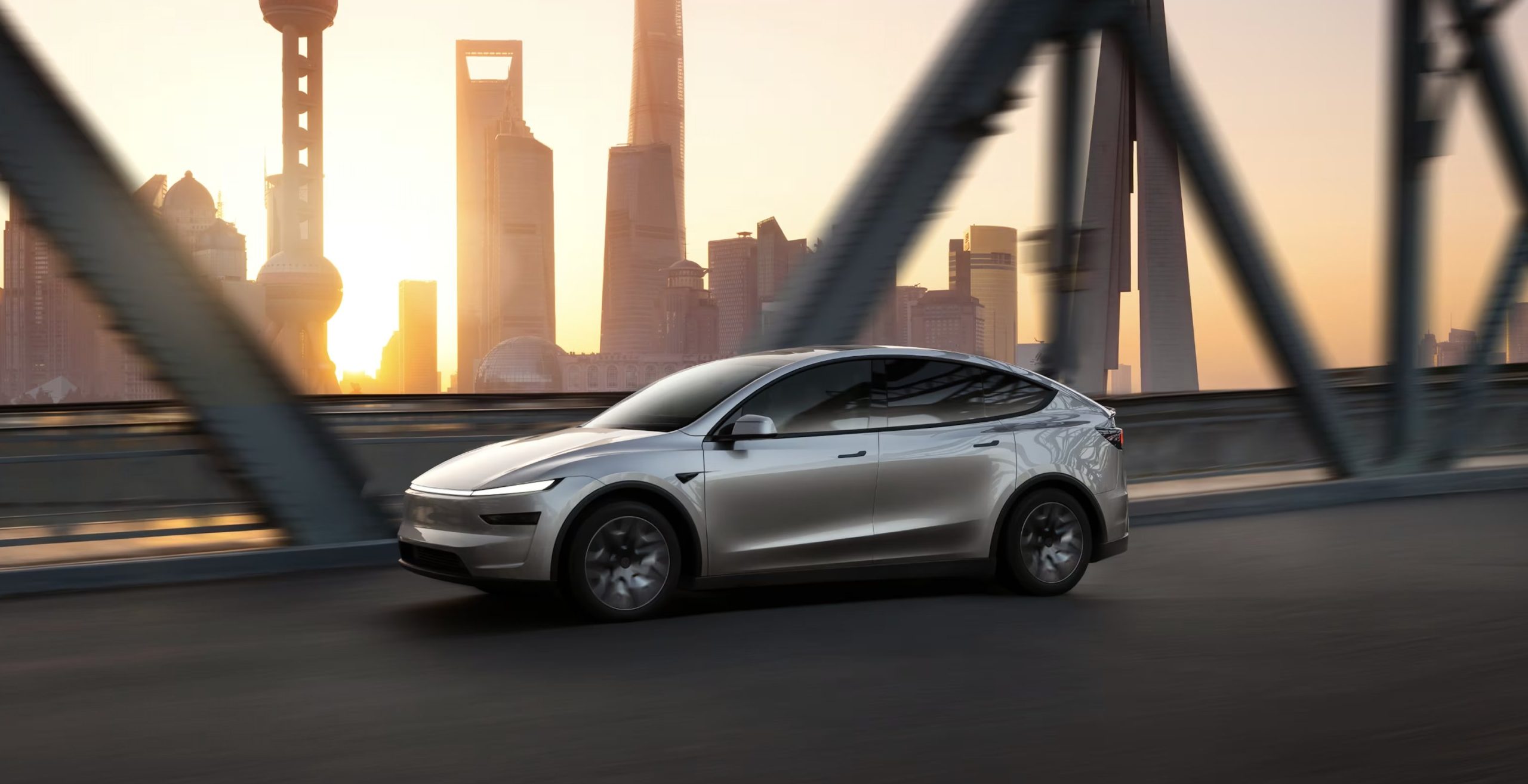
According to data from New AutoMotive, the UK registered 49,155 new battery-electric vehicles (BEVs) in October 2026, a 53.7% increase compared with the same month last year. Electric cars accounted for 31.8% of all new registrations, making them the country’s most popular fuel type during the month, ahead of hybrids and petrol vehicles.
The October figures extend the market’s growth throughout 2026. More than 522,000 new BEVs have been registered since the beginning of the year, representing a 27.3% increase year on year. Electric vehicles now hold a 26.5% share of the new car market, exceeding the estimated effective ZEV Mandate target of 24.6%.
Electric Car Market Exceeds ZEV Mandate Target
The latest figures come as the UK government’s consultation on the Zero Emission Vehicle (ZEV) Mandate has closed. Industry representatives have called on ministers to maintain the existing policy framework, arguing that registration growth demonstrates continued consumer demand and that regulatory stability is important for manufacturers and investors.
Ben Nelmes, CEO of New AutoMotive, said electric cars represented almost one in three new vehicles registered in October.
“Almost one in three new cars sold in October was fully electric, more than any other fuel type, and electric car sales are up by more than half on last year.
“Drivers are voting with their wallets. Every one of those new electric cars means a household spending less on running costs, and a country less exposed to the oil price shock.
“The ZEV mandate is working. With the cost of living at the top of the political agenda, ministers should stick with a policy that is putting cheaper motoring within reach of millions of households.”
Gurjeet Grewal, CEO of Octopus Electric Vehicles, said fully electric cars had accounted for around one-third of new car sales for five consecutive months. She attributed the trend to greater vehicle choice, more competitive pricing and improvements in vehicle technology.
“For the fifth consecutive month, fully electric cars have accounted for around a third of new car sales. Drivers are voting with their feet, attracted by better choice, sharper prices and tech-packed cars.
“To keep the momentum going, Government needs to provide consistent direction while manufacturers keep innovating and bringing affordable EVs for every type of driver. More choice, more competition and better cars will get more people making the switch.”
Electric Van Registrations Also Increase
The electric commercial vehicle market also recorded growth in October. A total of 3,376 new electric vans were registered, up 53.3% from October 2025. BEVs accounted for 13.2% of new van registrations, bringing their market share for the year to date to 11.1%.
Diesel remains the dominant fuel type in the van market, although the latest figures indicate continued growth in electric commercial vehicle adoption.
Toby Poston, CEO of the British Vehicle Rental and Leasing Association (BVRLA), said the increasing number of electric vehicles entering fleets could support the development of the second-hand market.
“October’s figures underline just how quickly electric vehicles are becoming a normal part of Britain’s new car market. New registrations tell only half the story. The vehicles entering fleets today will become the affordable used cars of tomorrow. We need a healthy second-hand market, strong residual values and confidence in battery longevity if the transition is to work for businesses and households alike.”
Industry Calls for More Accessible Charging
Industry representatives also highlighted the importance of charging costs and infrastructure in supporting wider EV adoption.
Ginny Buckley, CEO of electric car advice platform Electrifying.com, said the growth in registrations showed that more affordable and appealing electric cars were attracting British drivers. However, she argued that differences in VAT rates between public and domestic electricity created an additional cost for households without home charging access.
“Almost one in three new cars sold in October was fully electric, a milestone worth celebrating and proof that affordable, desirable EVs are winning over British drivers.
“But whether you have a driveway shouldn’t determine whether you can afford to make the switch. The Government continues to impose 20% VAT on public charging while domestic electricity attracts just 5%.
“Drivers are paying more tax to power the same car, making the same journey, simply because of where they live. It’s a stealth tax on those without driveways, a tax on circumstance, not choice. If we’re serious about making electric motoring affordable for everyone, we must close this divide.”
Melanie Lane, CEO of Pod, said EV adoption was continuing despite the absence of a major new government initiative in the Budget. She also argued that the current ZEV Mandate framework should remain unchanged as registrations are running ahead of its effective target.
“Even without a major new push for EVs in the Budget, consumers and businesses are still choosing to go electric. Sales are now ahead of the real ZEV sales target, showing that the mandate is working as intended and doesn’t need adjusting. For me, it’s another sign that what really drives the transition is getting the fundamentals right: cost, choice and making electric an easy decision for drivers. The last thing the market needs now is another shifting of the regulatory goalposts, when the current framework is clearly creating the right conditions to make the switch.”