
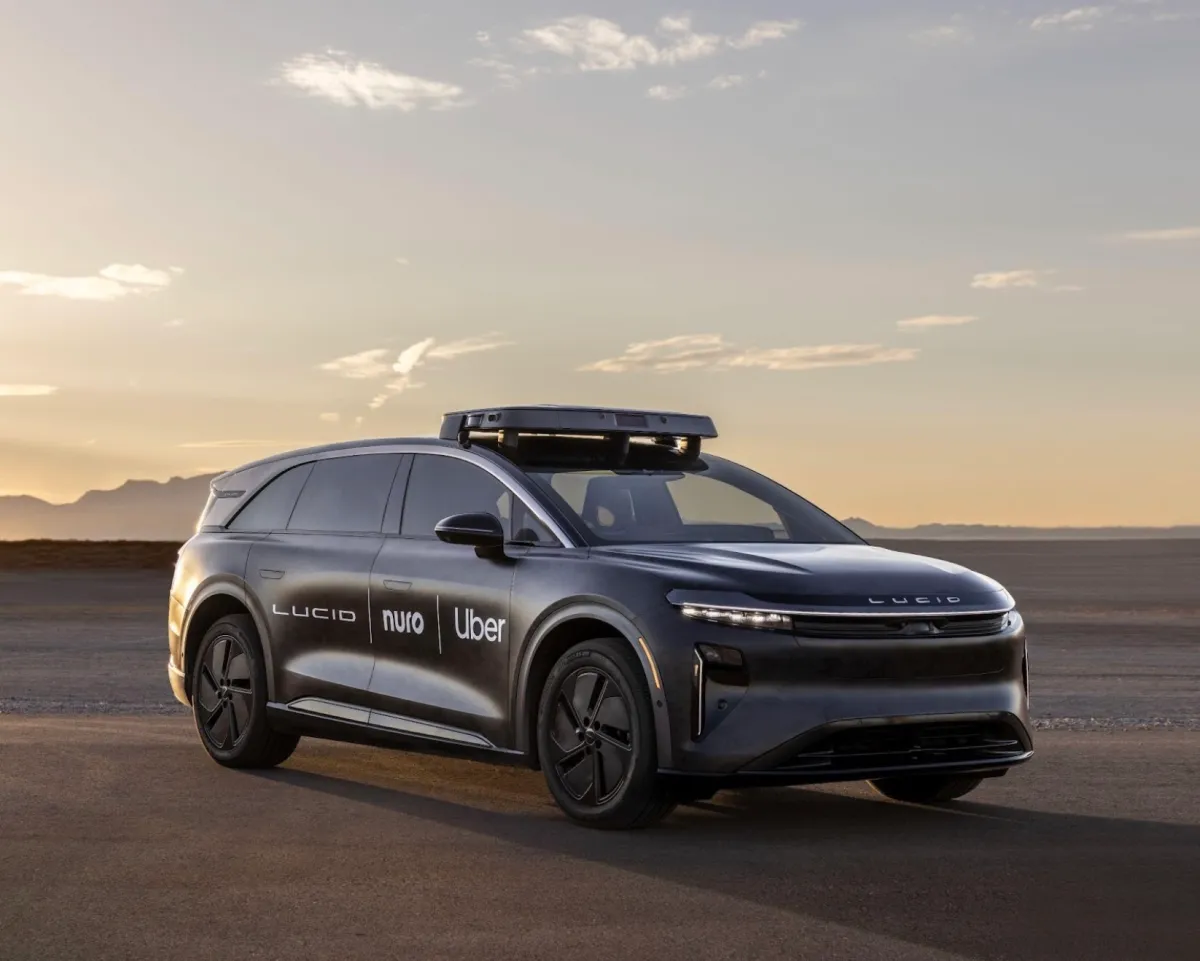
Uber plans to invest $10 billion to expand its autonomous vehicle operations, targeting a fleet of 2,000 robotaxis across 20 cities by the end of 2027. The deployment will cover markets in the United States, Europe, Asia and the Middle East, supported by partnerships with multiple autonomous driving companies.
The company expects approximately half of the planned vehicles to operate in the United States, with the remaining units distributed across the other three regions. Uber aims to have around 700 robotaxis available on its platform by the end of 2026, marking an intermediate step toward its 2027 target.
Autonomous Partners Support Fleet Expansion
Uber’s deployment strategy relies on partnerships with companies developing self-driving technology and vehicles. Its current network includes May Mobility, Momenta, Zoox and Motional, among others.
Chief Executive Dara Khosrowshahi said the company was moving into a new phase as its partners progress toward commercial driverless operations.
“Our autonomous strategy is entering an important new phase as more of our partners move from development and testing into driverless commercial service,” Khosrowshahi said in written remarks accompanying Uber’s third-quarter earnings.
Uber also said its partners have committed to bringing 120,000 robotaxis onto its platform in the coming years. The company has not specified when this broader commitment is expected to be fulfilled.
Uber Plans to Finance Initial Deployment Through Earnings
The company intends to fund its initial robotaxi expansion using earnings from its existing operations. However, Uber indicated that additional financing could be required as its autonomous fleet grows beyond 10,000 vehicles.
The company said it may need to “bring in third-party capital” to support expansion at that scale.
Uber reported third-quarter gross bookings of $59.8 billion, up 20% year over year. The growth provides a financial foundation for its autonomous mobility investment plans as the company works toward its target of operating 2,000 robotaxis across 20 cities by the end of 2027.