
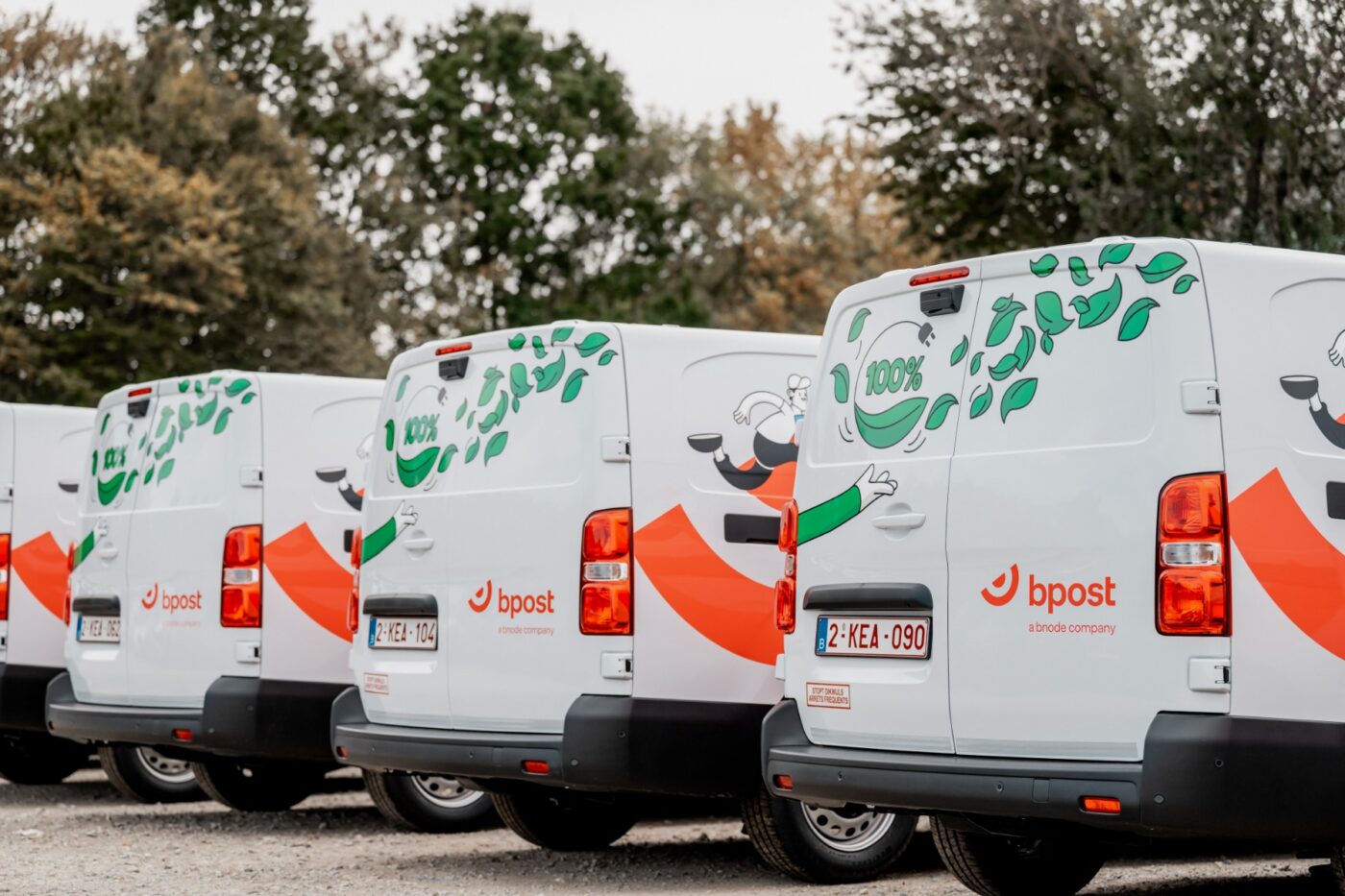
Belgian postal operator Bpost has expanded its electric delivery fleet to 4,165 vans, representing 42% of its total delivery van fleet. The company ordered approximately 1,100 additional electric vans for 2026, with around 900 already integrated into its operations and the remaining 200 expected by year-end.
The latest figures mark a substantial increase in the company’s fleet electrification over three years. Bpost operated approximately 1,000 electric delivery vans in 2023, surpassed 2,000 in summer 2024 and passed 3,000 during summer or autumn 2025.
The pace of procurement has amounted to roughly 1,000 additional electric vans annually, according to the company. Many of the vehicles are supplied by Stellantis, including models from its Citroen brand.
Charging Infrastructure Expands Across Belgium
Alongside its growing fleet, Bpost has established approximately 3,300 charging points at its locations throughout Belgium to support electric vehicle operations.
The new vans are primarily replacing conventional delivery vehicles that have reached the end of their service life. During the peak delivery season in November and December, however, electric and internal combustion engine vans will initially operate alongside one another before older combustion-powered vehicles are phased out.
Bpost says more than 150 postal codes are already served by delivery routes that produce no direct emissions from vehicles used to deliver letters and parcels.
The expansion supports the company’s target of converting 85% of its last-mile delivery fleet to CO₂-emission-free vehicles by the end of 2030.
Electrification Extends Beyond Delivery Vans
Bpost’s fleet transition also includes electric bicycles, bicycle trailers and electric trucks. Its electrically powered equipment currently comprises 3,013 electric bicycles, 556 electric bicycle trailers and two electric trucks, in addition to its electric delivery vans.
Rik Vandenberghe, Bpost’s National Fleet & Equipment Manager, said the fleet renewal forms part of a wider transformation of the company’s logistics network.
“In just three years, we have gone from approximately 1,000 to more than 4,000 electric vans.”
Vandenberghe said the company was gradually adapting its operations through electric vans, bicycles, trailers and trucks while maintaining reliable services across Belgium.
The growing number of electric vehicles reflects Bpost’s effort to reduce direct emissions from its delivery operations while modernising its transport infrastructure. Its progress towards the 2030 target will depend on continued fleet replacement and the integration of additional electric vehicles into daily delivery routes.