
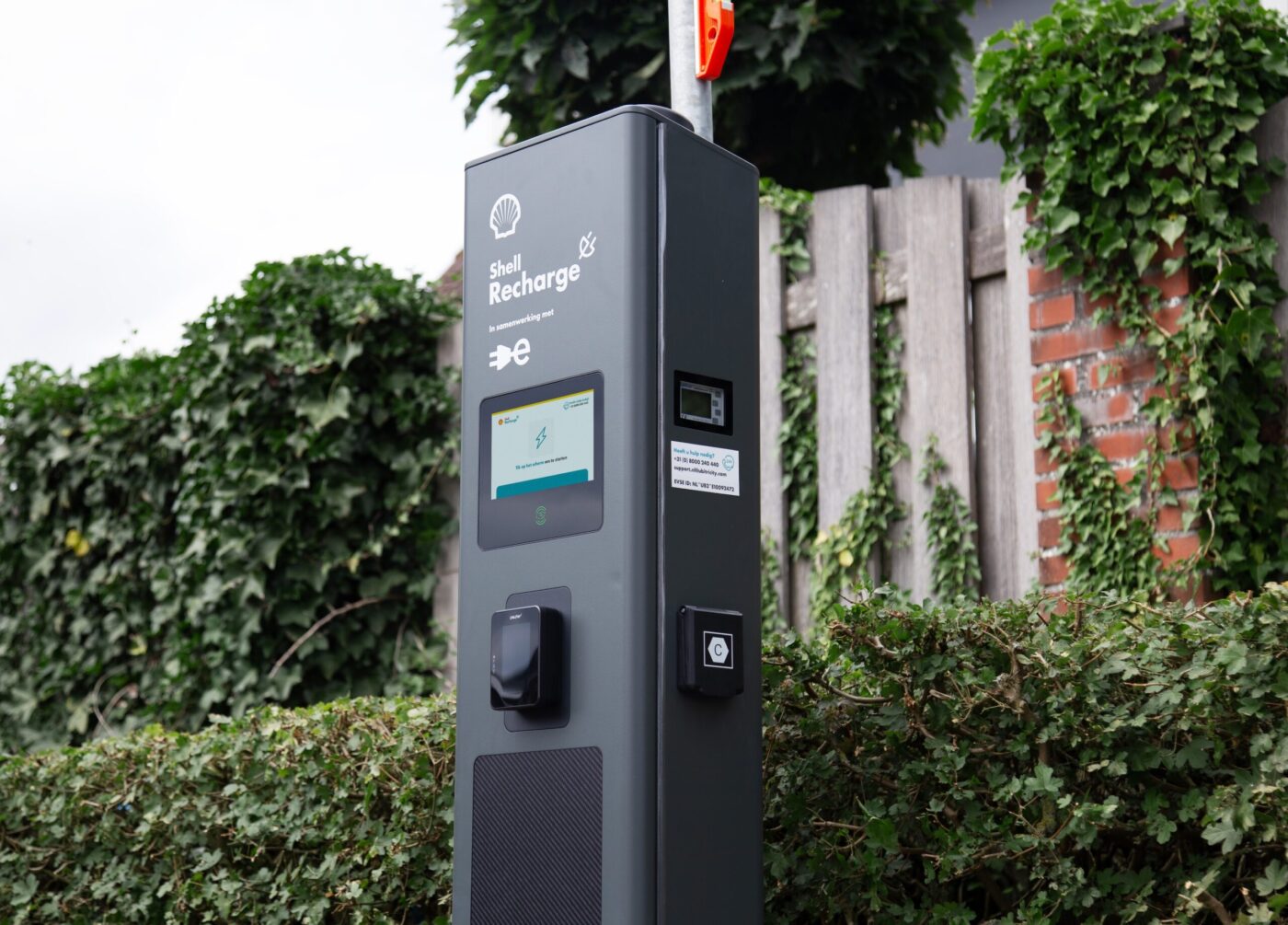
Ubitricity and Deftpower are expanding their smart charging collaboration in the Netherlands to 1,500 public charging points, using the open OCPI 2.2.1 standard to shift EV charging sessions to periods of lower grid demand. The approach is designed to reduce peak loads while allowing charging point operators to retain control over their infrastructure.
According to the companies, Ubitricity is the first charge point operator to deploy this functionality at this scale.
Charging Profiles Enable Public Smart Charging
The system uses OCPI 2.2.1 Charging Profiles to manage charging schedules. Instead of requiring a direct API connection between the vehicle and the Mobility Service Provider, the MSP can send a charging schedule based on the driver’s preferences directly to the charging point.
Ubitricity Expands Bexley’s On-Street EV Charging Network to 500 Charge Points
The charging point then implements the schedule locally, while the Charge Point Operator remains in control of the charging process.
This approach removes the need for a direct interface with the vehicle and could allow a wider range of electric cars to participate in managed charging.
Drivers Can Receive Cashback
The smart charging system also includes financial incentives for drivers.
Through their respective apps, users can receive cashback when they allow charging sessions to be shifted away from periods of high grid demand.
Ubitricity to Acquire SureCharge Network, Adding 2,400 EV Charge Points in London
Deftpower said 65% of users who choose smart charging enable the feature by default, indicating a high level of participation among customers who use the service.
“With OCPI 2.2.1 Charging Profiles we have unlocked a new level of scale for public smart charging,” said Jacob van Zonneveld, CEO of Deftpower.
Deftpower Already Uses Incentive-Based Charging
Time-shifted charging is already being used in the Netherlands. Deftpower previously partnered with Allego on a similar incentive-based system.
Since April, drivers have been able to move charging sessions from evening peak periods to overnight charging at an initial network of 4,500 AC charging points and receive cashback for doing so.
Allego plans to expand the offering to around 9,000 charging points across the Netherlands.
The Ubitricity and Deftpower collaboration differs primarily in the technical implementation, using the open OCPI 2.2.1 standard and Charging Profiles rather than relying on direct vehicle APIs.
Smart Charging Addresses Grid Constraints
The approach is particularly relevant in the Netherlands, where electricity networks in some regions are approaching capacity limits. New connections for EV charging infrastructure can be difficult to establish in areas where grid capacity is constrained.
Moving charging sessions away from periods of high demand can reduce peak loads and make more efficient use of existing grid capacity.
Deftpower Secures €12.5 Million to Advance AI-Driven Smart Charging Platform
Smart charging does not remove the need for additional grid investment, but it can help integrate increasing numbers of electric vehicles without requiring every charging session to occur at peak times.
Wider deployment of the approach will depend on additional Charge Point Operators and Mobility Service Providers supporting OCPI 2.2.1 Charging Profiles.