
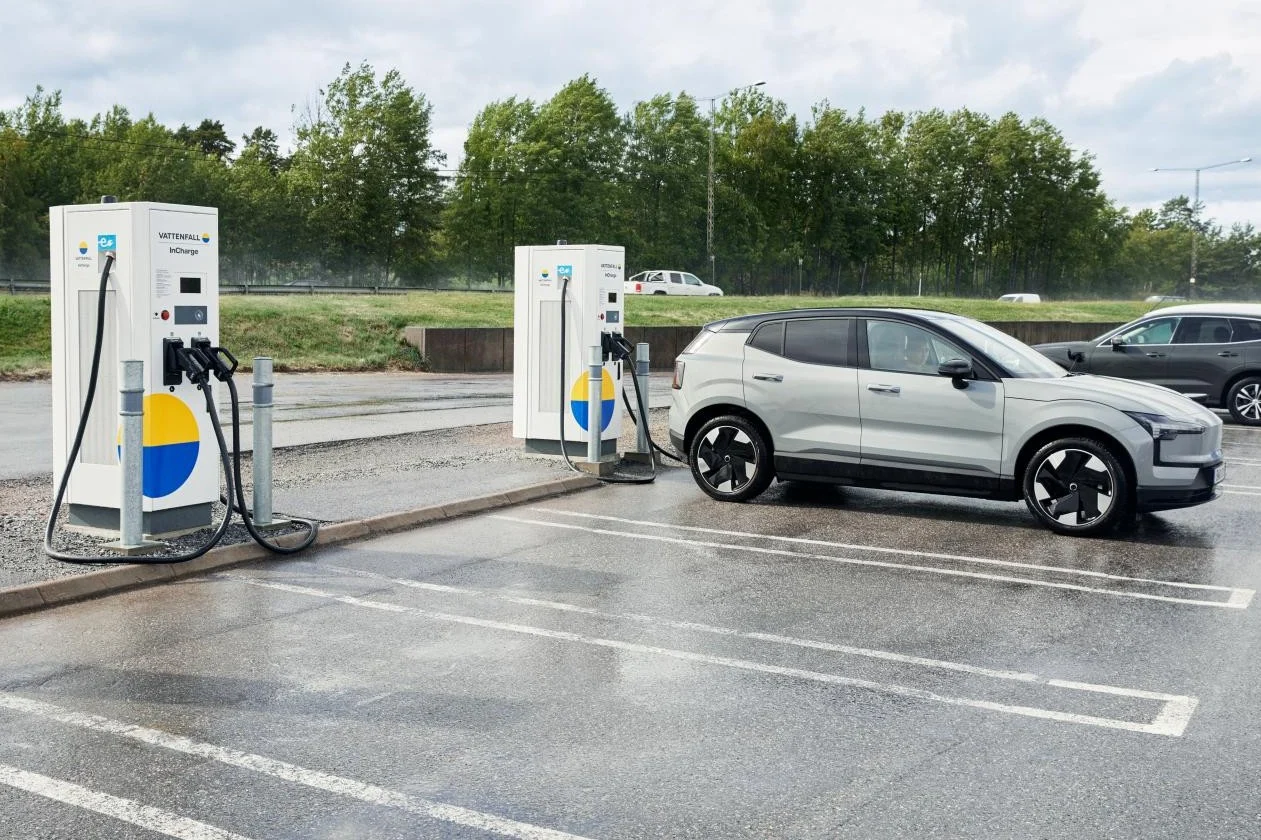
Vattenfall InCharge will begin a pilot programme on 1 August allowing gasoline and diesel vehicles to park at selected public electric vehicle charging spaces in 19 municipalities across the Netherlands without facing penalties.
The initiative aims to accelerate the rollout of public charging infrastructure by removing a key administrative hurdle associated with reserving parking spaces exclusively for electric vehicles.
Pilot Removes Exclusive Parking Requirement
Under the programme, Vattenfall InCharge will install 150 public charging stations in the provinces of North Brabant and Limburg without dedicated EV-only parking restrictions.
Vattenfall Sells German Fleet Charging Business to Edenred Unit
The company will also deploy another 150 charging stations using the conventional approach, creating a control group for comparison during the trial.
The pilot will run from August 2026 through January 2027, followed by several months of monitoring to assess charging availability, parking occupancy, public complaints, objections and permitting timelines.
Participating municipalities include Tilburg, Weert, Bergen op Zoom, Oosterhout and Vught.
Simplified Permitting Process
In the Netherlands, designating a parking space exclusively for electric vehicles requires municipalities to issue a formal traffic decision, known as a verkeersbesluit. The process includes a public consultation period during which residents may file objections, potentially delaying installations for months.
By removing exclusive parking restrictions, Vattenfall aims to avoid this approval process altogether.
Instead of reserving spaces solely for electric vehicles, the charging stations will be accompanied by adapted signage or pavement markings indicating that charging is available without prohibiting conventional vehicles from parking.
Vattenfall InCharge Tests Card-Free EV Charging With 700 Drivers
The company expects the approach could significantly shorten deployment times for new public charging infrastructure.
Survey Shows Broad Public Support
Ahead of the pilot, Vattenfall surveyed approximately 1,000 motorists to gauge attitudes toward shared parking at charging stations.
The results showed that only 16% of drivers of gasoline and diesel vehicles believe there are too many charging stations in their area, while more than half of electric vehicle owners said additional charging infrastructure is needed.
Among drivers of conventional vehicles, 41% said they would voluntarily move their vehicle if an electric vehicle needed to charge, while another 27% indicated they would only use the spaces when no other parking was available.
Among electric vehicle owners, 38% supported sharing charging spaces provided charging remains available when needed, while 36% preferred the spaces to remain exclusively reserved for charging.
Vattenfall said the findings suggest there is room to test more flexible parking arrangements while continuing to expand public charging infrastructure.
If the pilot demonstrates that charging stations can be deployed more quickly without requiring dedicated parking restrictions, the approach could offer a model for accelerating charging infrastructure deployment in other regions with lengthy permitting procedures.