
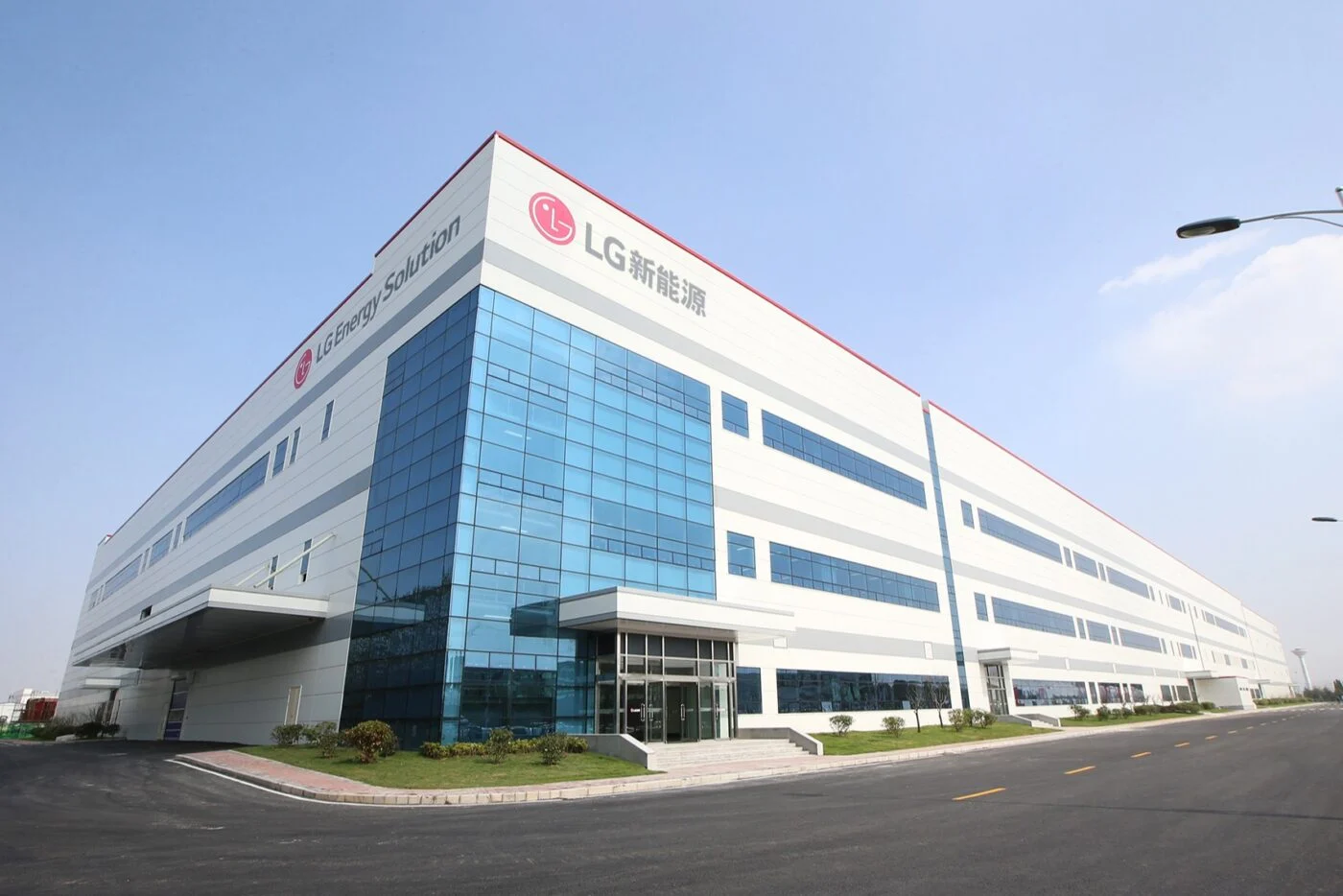
LG Energy Solution is expanding production of cylindrical battery cells at its manufacturing plant in Nanjing, China, as demand from electric vehicle customers continues to rise, according to a report by South Korean news outlet The Elec, citing industry sources.
The report said the South Korean battery manufacturer is preparing to bring two newly installed production lines into operation during the second half of the year. Additional production lines are expected to be added in later stages as the company increases its manufacturing footprint.
Each production line is expected to provide around 2 gigawatt-hours (GWh) of annual production capacity. With further investment, the facility’s overall cylindrical battery output could expand into the double-digit GWh range.
Expansion Reportedly Supports Tesla Demand
According to The Elec, the expansion is intended to meet growing battery demand from Tesla, particularly for the Model Y electric sport utility vehicle. The report added that LG Energy Solution’s Nanjing plant is currently operating at full capacity.
An LG Energy Solution spokesperson did not comment on specific customer relationships but said the company is responding to broader market demand for cylindrical batteries.
“A growing market for cylindrical batteries is driving us to utilise our existing manufacturing facilities.”
LG Energy Solution is one of Tesla’s key suppliers of nickel-based cylindrical battery cells. The batteries are used in higher-specification versions of the Tesla Model 3 and Model Y, including Long Range variants, with the Nanjing facility primarily supplying Tesla’s Gigafactory in Shanghai.
The report said LG Energy Solution has approximately 50 GWh of annual cylindrical battery production capacity worldwide, with roughly 30 GWh currently dedicated to supplying Tesla’s Shanghai operations.
Data from the China Passenger Car Association (CPCA) showed that Tesla’s Shanghai factory sold nearly 379,000 electric vehicles during the first five months of the year, marking a 29% increase compared with the same period last year. The sales growth comes as battery suppliers continue to expand production capacity to support rising demand across the electric vehicle market.