
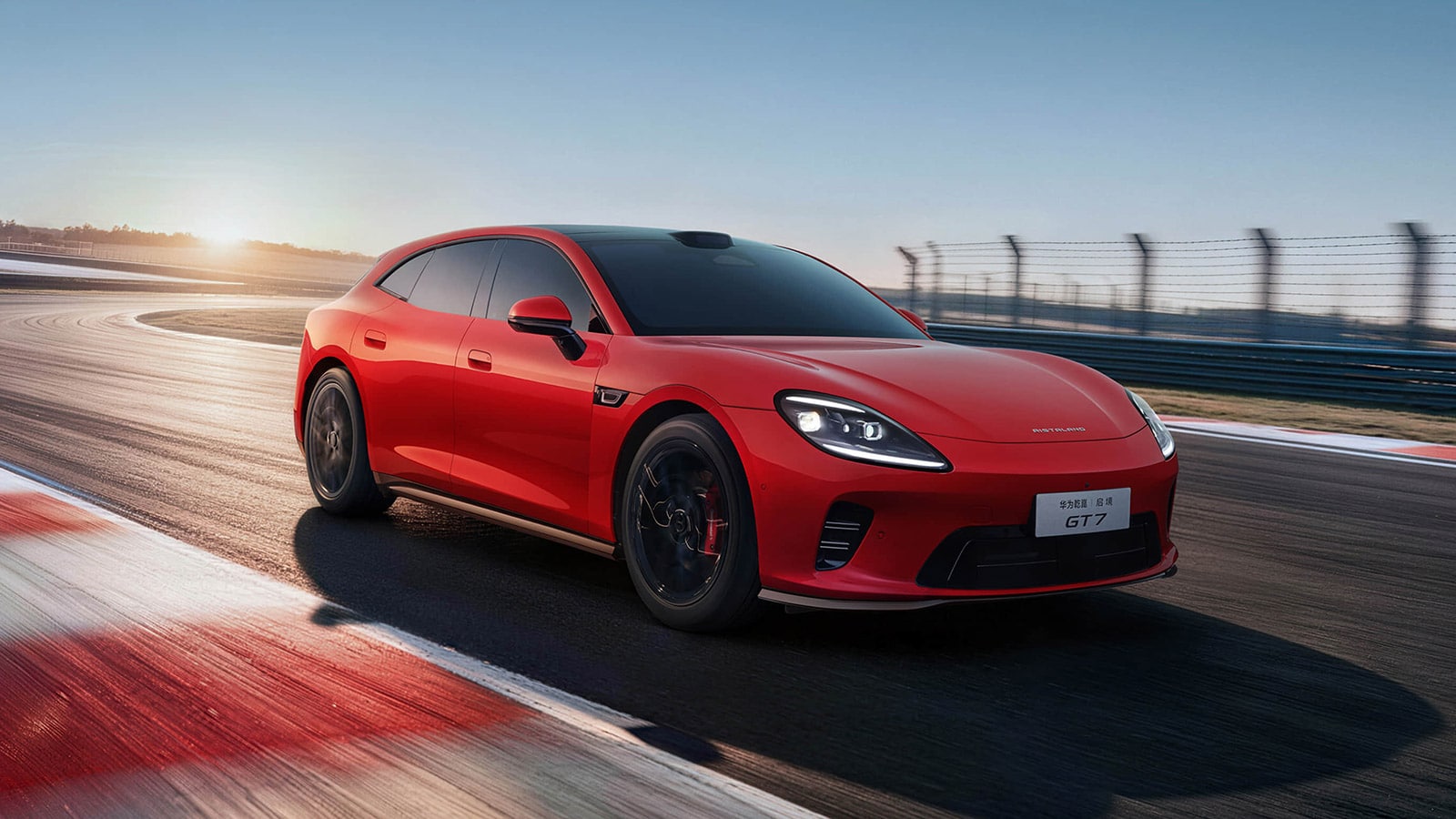
Qijing, a premium electric vehicle brand jointly developed by Huawei and GAC Group, has officially adopted the English name Aistaland, marking its global debut alongside the launch of its first model, the GT7 shooting brake.
The brand said the name Aistaland is derived from “AI Start New Land,” reflecting its ambition to leverage artificial intelligence to redefine mobility. It also introduced “Make Difference” as its core value, positioning itself in the high-end EV segment with a focus on intelligent and safe driving experiences.
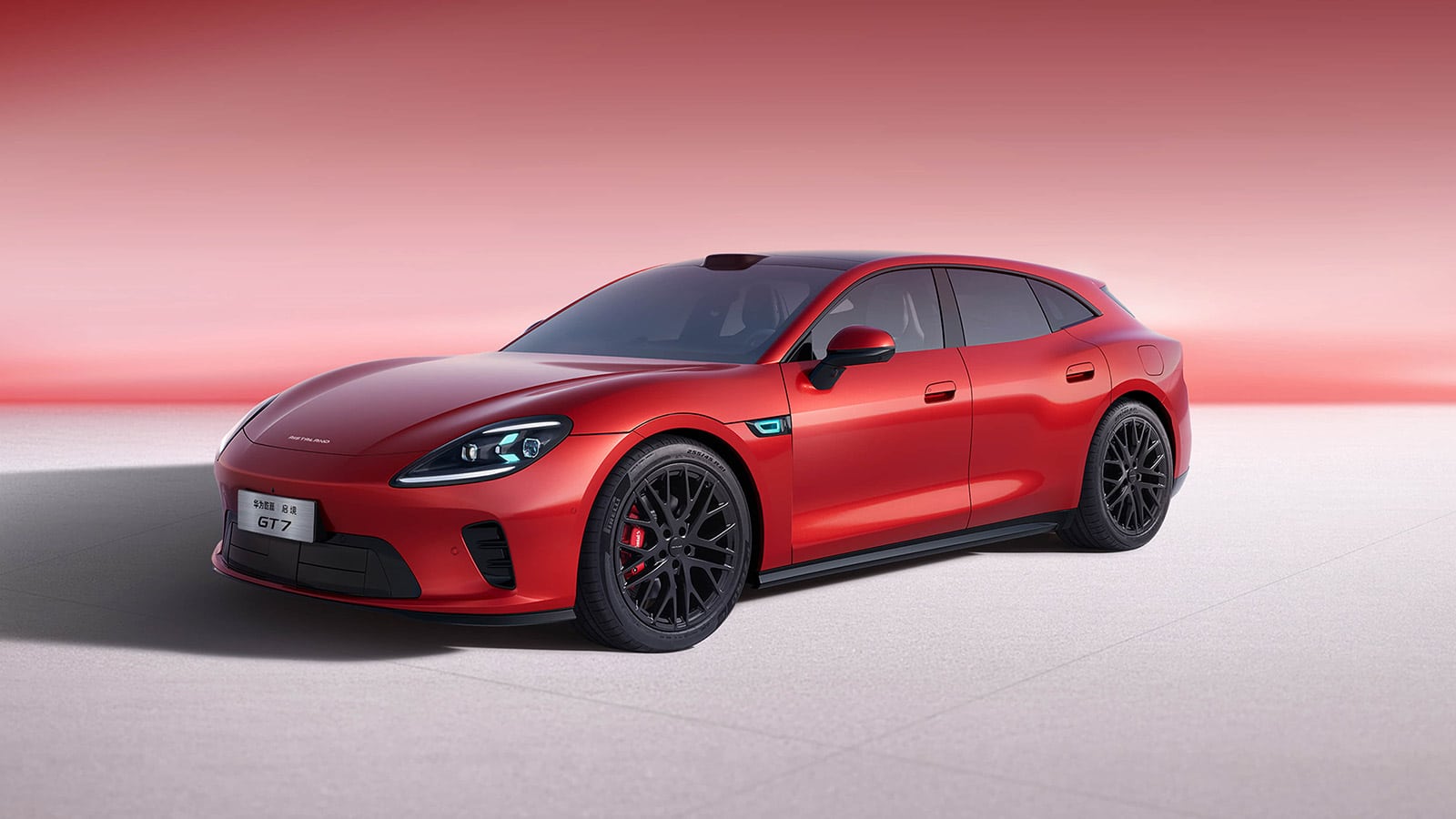
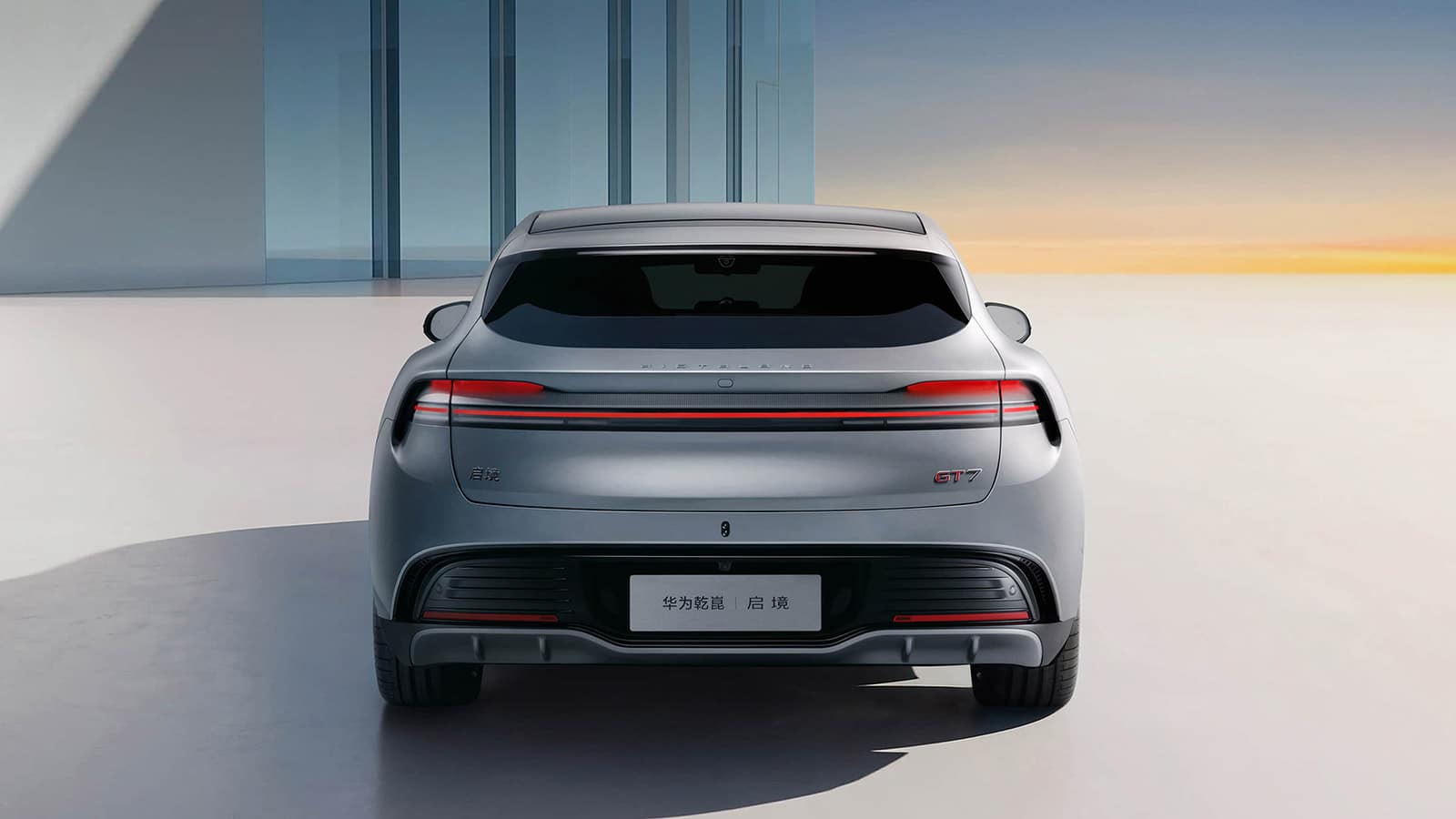
The GT7, unveiled at the launch event, measures 5,050 mm in length, 1,980 mm in width, and 1,470 mm in height, with a 3,000 mm wheelbase. The model has entered pre-sales, although pricing has not yet been disclosed.
Equipped with Huawei’s latest technologies, the GT7 features an 896-channel LiDAR system designed to detect obstacles as small as 14 centimetres from a distance of up to 120 metres. The system enhances environmental perception by moving beyond traditional point-cloud processing toward image-level recognition.
The vehicle is also fitted with Huawei’s Qiankun advanced driver assistance system and the HarmonyOS-based smart cockpit. It introduces the new-generation Xiaoyi AI agent and is built on the Qiankun Chitu platform, which is designed to support Level 3 autonomous driving capabilities.
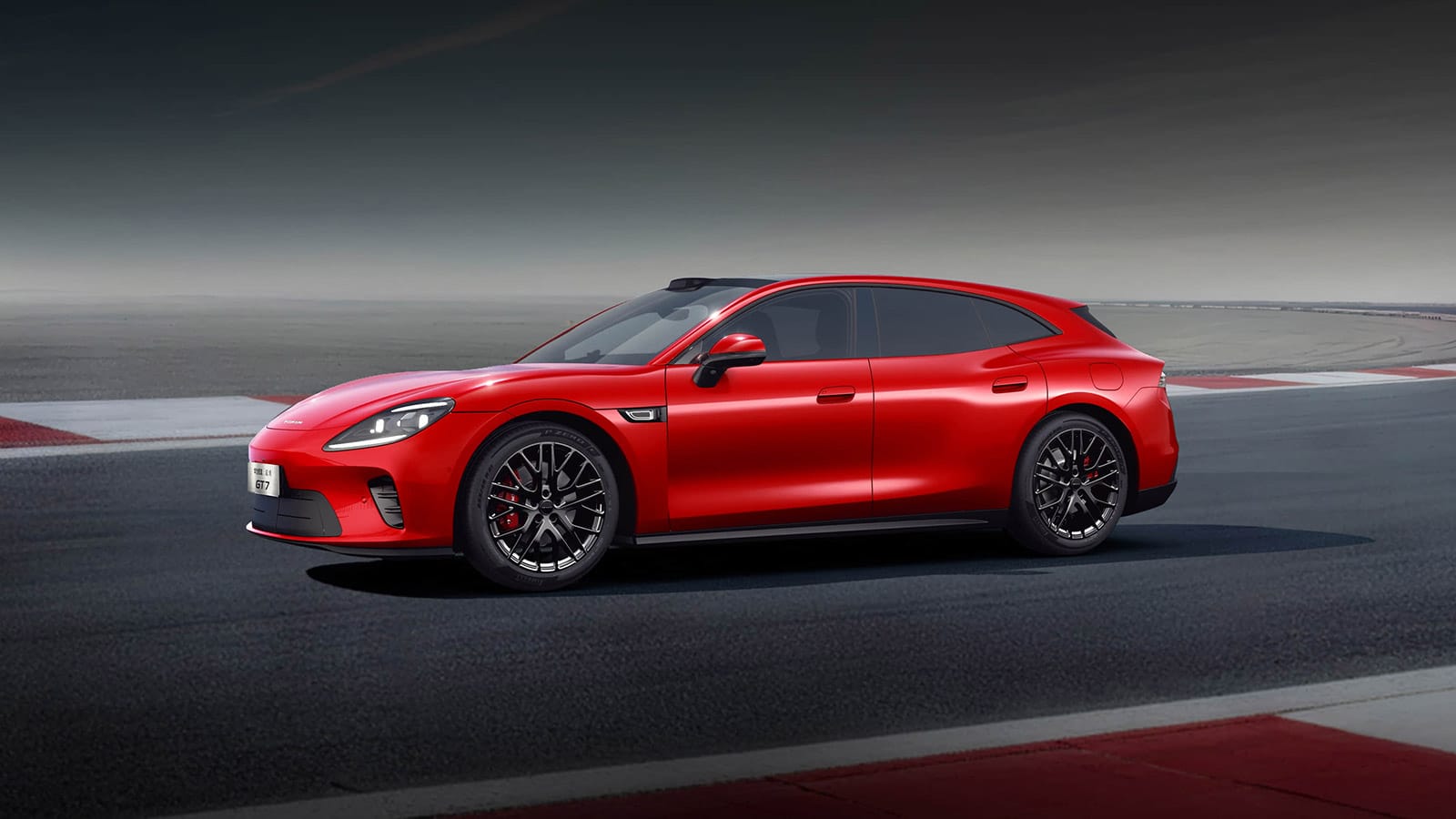
Powertrain specifications include a tri-motor setup paired with CATL’s next-generation Qilin battery. The system supports an 800-volt architecture with a 6C charging rate, enabling high-performance charging and driving capabilities.
Huawei’s Qiankun development team is working closely with Aistaland in Guangzhou, while GAC Group is responsible for vehicle manufacturing, leveraging its production and quality control expertise.
The brand said it aims to position the GT7 against vehicles in the 1 million yuan ($145,210) segment in terms of driving and comfort performance.
Shooting brake models have historically been a niche segment in China, but their popularity has grown following the commercial success of models such as the Zeekr 001, which demonstrated broader market acceptance.
Aistaland plans to expand its product lineup with a second model, a mid-to-large SUV, expected to launch later this year.
The launch underscores increasing collaboration between technology firms and automakers in China, as companies compete to integrate advanced AI and autonomous driving features into next-generation electric vehicles.