
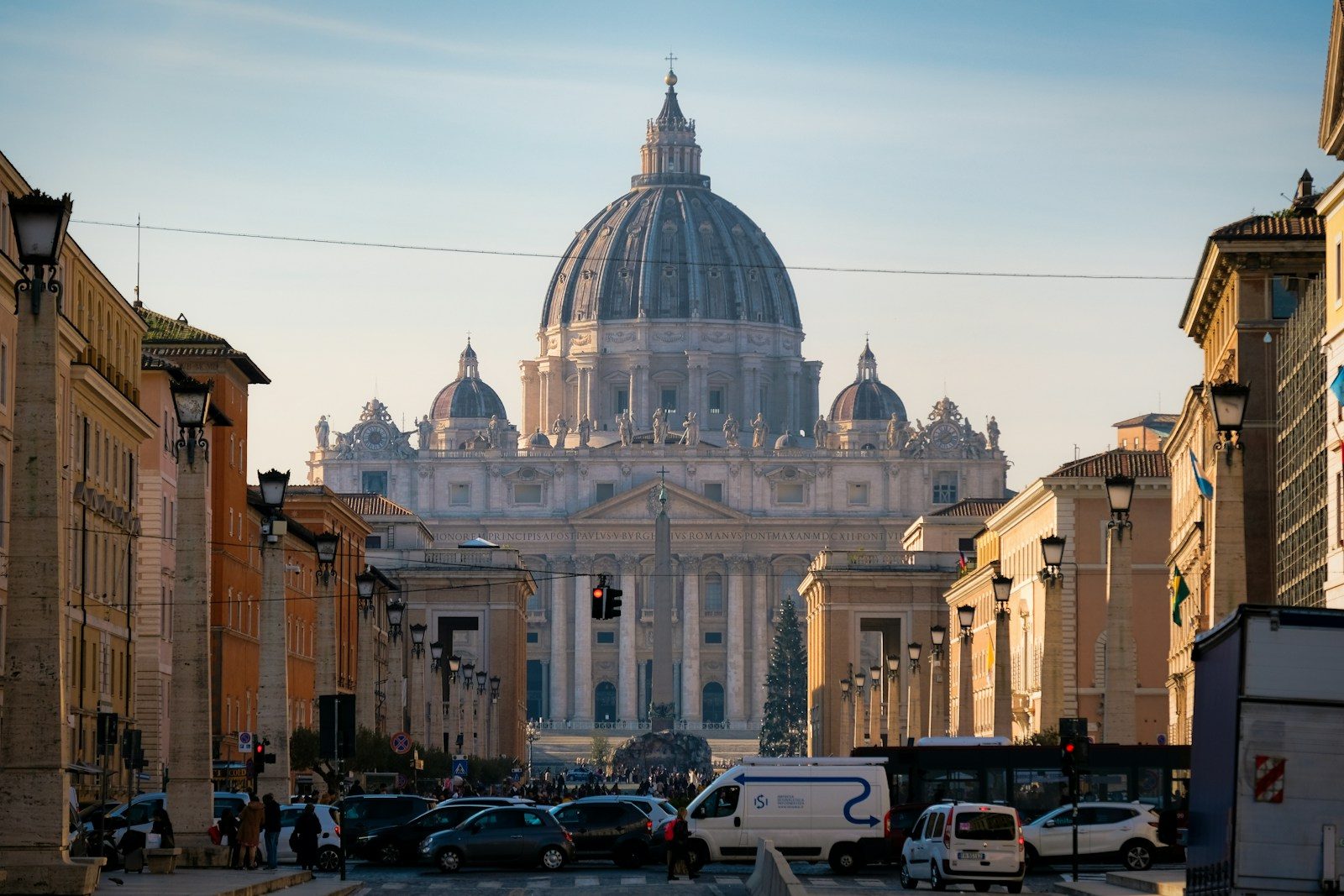
Rome will introduce a new access fee for electric vehicles entering its historic centre starting July 1, 2026, ending the largely free access previously granted to battery-electric cars in the city’s restricted traffic zone.
Under the new policy, drivers of battery-electric vehicles will be required to purchase an annual permit costing €1,000 to enter the ZTL (Zona a Traffico Limitato). The charge remains lower than the €2,016 annual permit for internal combustion engine vehicles, while some drivers may qualify for a reduced €500 rate.
City officials say the measure reflects the rapid growth in electric vehicles and increasing pressure on the historic centre. According to Eugenio Patanè, the policy is intended to manage traffic rather than penalise electric mobility.
“Although these vehicles are zero-emission, their growth is still significantly contributing to traffic congestion and the reduction in available parking spaces, particularly in the historic centres,” Patanè said. “The measure therefore represents a measure to regulate urban mobility, in line with decisions already made by many major European capitals.”
Rome’s ZTL permits are typically issued annually rather than through daily or hourly access systems used in other cities. The municipality says the policy forms part of a broader strategy to reduce private vehicle traffic in the historic centre while protecting the city’s cultural heritage.
City authorities estimate that around 50,000 vehicles enter the ZTL each day, although the area is designed to accommodate about 20,000 vehicles. Officials say the revised permit rules are intended to help bring traffic levels closer to that capacity.
The introduction of the new fee for electric vehicles also follows wider enforcement measures in the zone. Authorities recently revoked about 20,000 disabled-access permits after discovering they had been issued to deceased individuals but were still being used.
Officials emphasised that the new policy is aimed at controlling overall traffic volumes rather than targeting a specific drivetrain. Previously, free access for electric vehicles had encouraged increasing numbers of drivers to use the exemption, contributing to higher vehicle flows in the historic centre.