

Xpeng delivered 15,256 vehicles in February, a sharp decline of 49.90% from a year earlier and 23.76% from January, as the Chinese electric vehicle maker faced holiday-related disruptions and softer domestic demand.
The company said the Lunar New Year holiday, which ran from Feb. 15 to Feb. 23 this year, affected production and logistics across the industry. In contrast, last year’s holiday occurred mainly in January, reducing its impact on February deliveries.
See also: Xpeng Files Flagship GX SUV for Approval, Offering BEV and EREV Variants
The slowdown mirrors broader industry trends, with several Chinese automakers reporting weaker monthly results during the same period. Some competitors, however, recorded modest year-on-year growth despite the disruption.
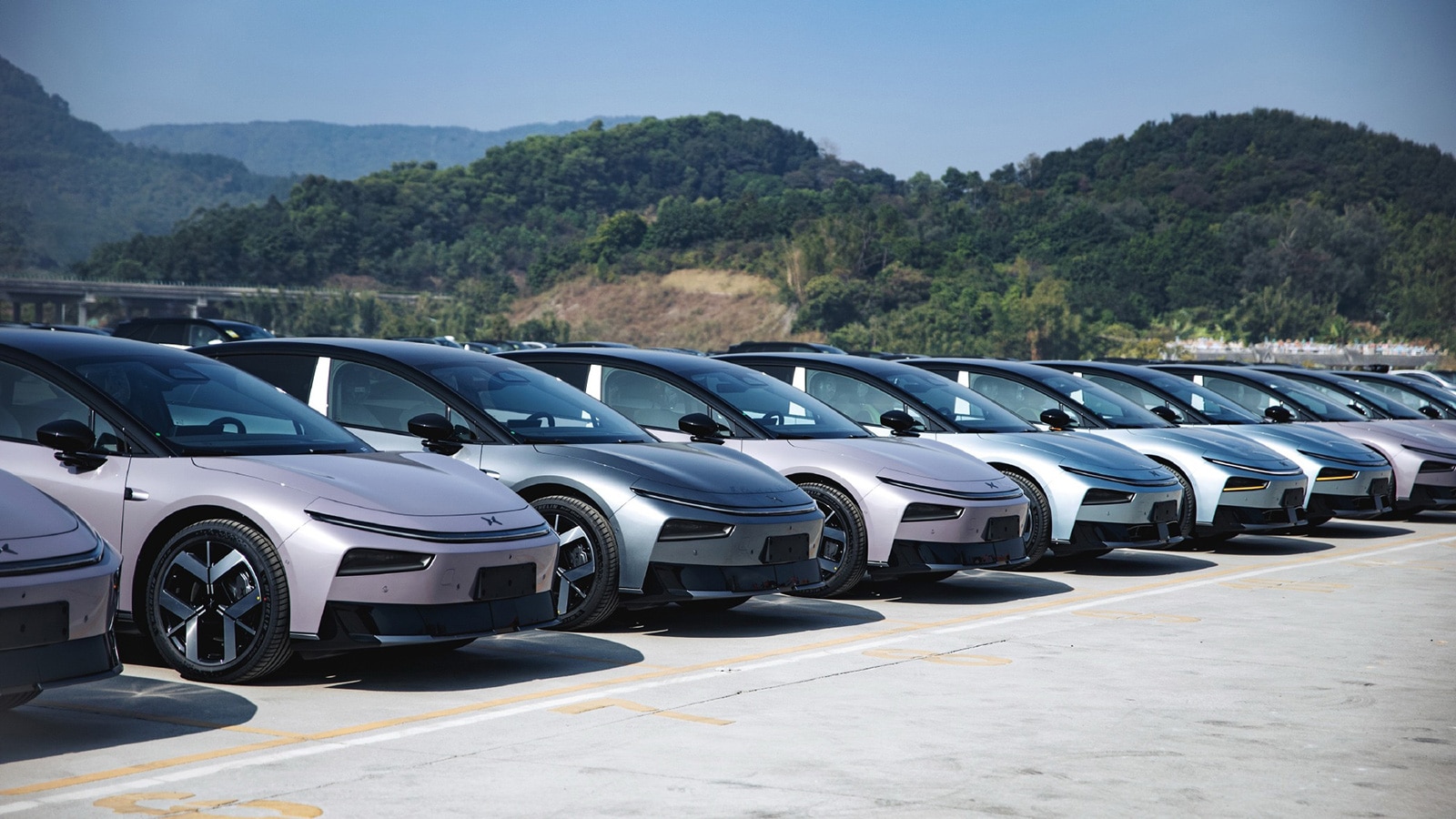
To offset domestic weakness, Xpeng is accelerating its international expansion. The company began global deliveries of its P7+ electric sedan in February, shipping initial units to 18 overseas markets.
See also: Xpeng Tests Level 4 Autonomous Driving on Upcoming GX Flagship SUV
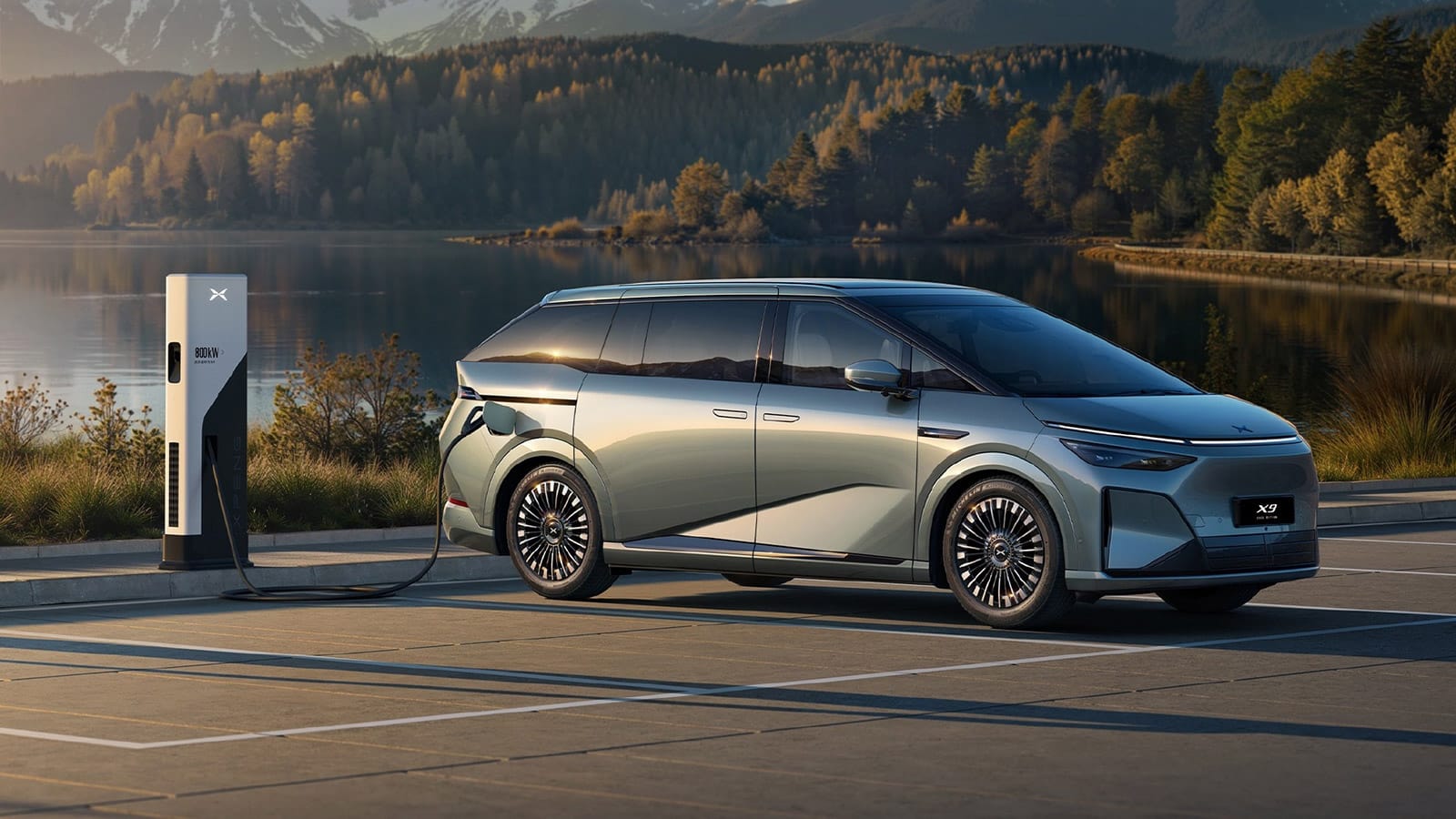
The Guangzhou-based manufacturer is also preparing new products and technology updates. It plans to launch the 2026 version of its X9 electric multi-purpose vehicle, which the company said offers a maximum range of up to 750 kilometres. The model targets the premium family mobility segment.
In addition, Xpeng is scheduled to introduce its second-generation VLA (Vision-Language-Action) artificial intelligence system, designed to enhance autonomous driving and in-vehicle interaction capabilities.
See also: Xpeng Elevates AI Leadership, Reshapes Organization to Sharpen Intelligence Focus
Chief Executive He Xiaopeng recently said Volkswagen had become the first commercial customer for the company’s new VLA solution, highlighting growing external interest in Xpeng’s software technology.
The company has set ambitious goals for overseas operations, aiming for annual international sales of 1 million vehicles by 2030 and expecting global markets to contribute more than 70% of profits.