
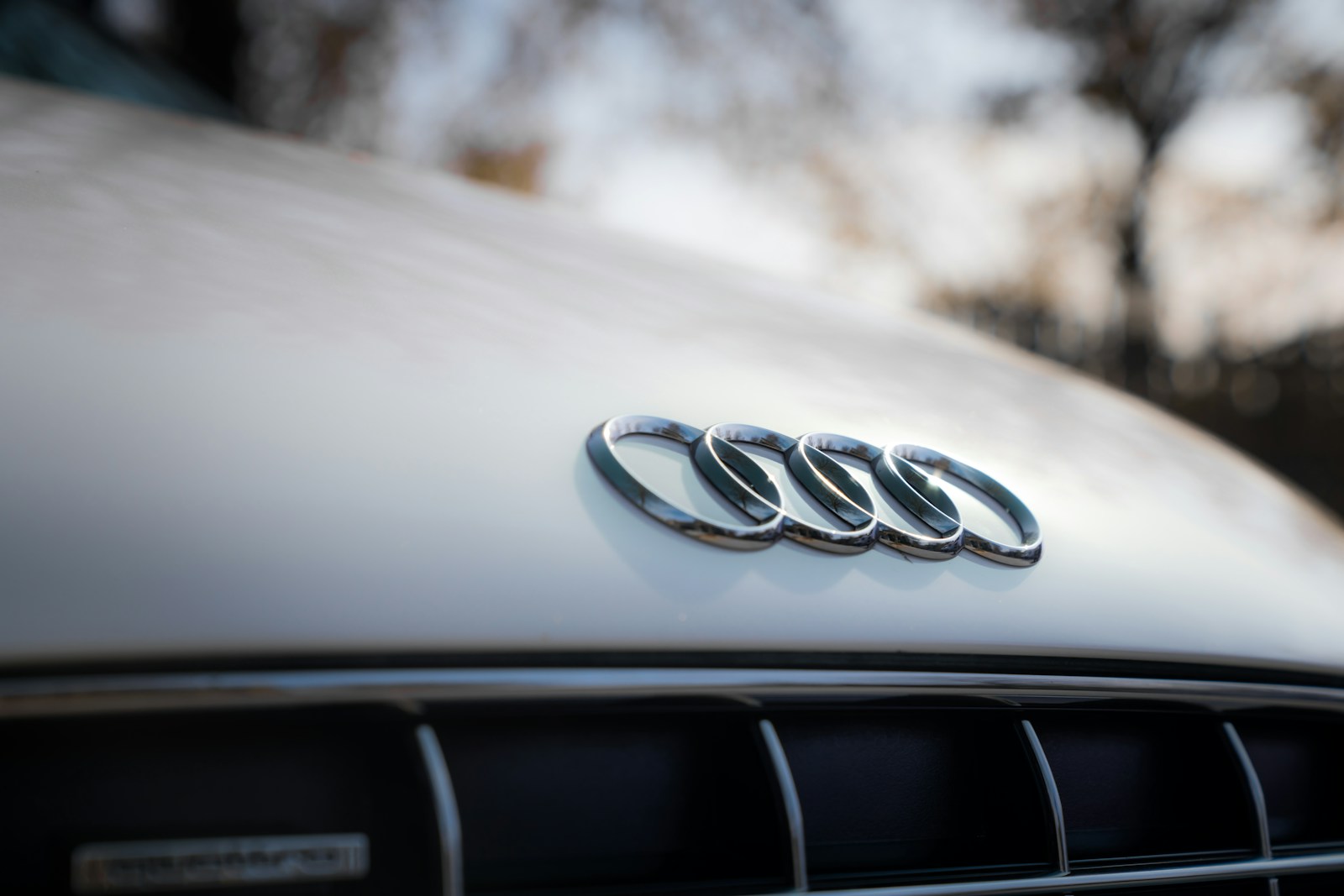
Audi is preparing to unwind one of its most ambitious branding experiments of the electric era, after acknowledging that its odd-even model numbering strategy created more confusion than clarity for buyers.
The approach, introduced in recent years, was meant to neatly separate powertrains: odd numbers for combustion models and even numbers for electric vehicles. In practice, it led to long-established nameplates being reassigned, most notably turning the A4 sedan and Avant into the A5—previously a badge reserved for coupes and Sportbacks. Dealers were left explaining the logic, while customers struggled to reconcile familiar names with unfamiliar positioning.
See also: Audi Reconsiders Standalone U.S. Factory In 2026–2030 Planning Round
Audi chief executive Gernot Döllner has now publicly distanced himself from the strategy, calling it a mistake approved before he took the helm. Speaking to Australia’s Drive during the Munich motor show, Döllner said Audi will return to a more intuitive naming structure anchored in body style and vehicle size.
Under the revised logic, “A” will once again denote low-floor passenger cars, “Q” will be reserved for SUVs, and the numerical designation will reflect the model’s segment rather than its drivetrain. Crucially, this opens the door for the A4 nameplate to make a comeback on combustion-powered cars.
See also: Audi Signs 5G Patent Licensing Deal With Oppo
Döllner said rebranding the current ICE A5 back to A4 is “thinkable,” suggesting the change could coincide with a mid-cycle update in the next few years. The company moved quickly enough to avoid renaming the A6 under the abandoned scheme, limiting the fallout from the experiment.
At the same time, Audi is not retreating from electrification. A fully electric A4 e-tron is still planned for the second half of the decade, likely around the 2028 model year. That vehicle is expected to sit on the Volkswagen Group’s next-generation Scalable Systems Platform and take design cues from Audi’s recent Concept C study. If launched as planned, Audi would offer combustion and electric A4 models side by side—distinguished by powertrain, not by an entirely different name.
See also: Audi Weighs US-Built Range-Extender SUV in Collaboration With VW’s Scout Brand
Rival premium automakers are converging on similar strategies. BMW and Mercedes-Benz are both maintaining familiar model families while electrifying them, betting that continuity matters as much as innovation. BMW, for instance, plans to reuse the i3 badge for an electric 3-Series successor, despite the name’s earlier association with a compact EV.
Audi’s reversal also echoes an earlier branding retreat, when it abandoned engine-displacement-based model names in favour of numerical labels such as “35” and “55,” only to reverse course after customers found them opaque.