
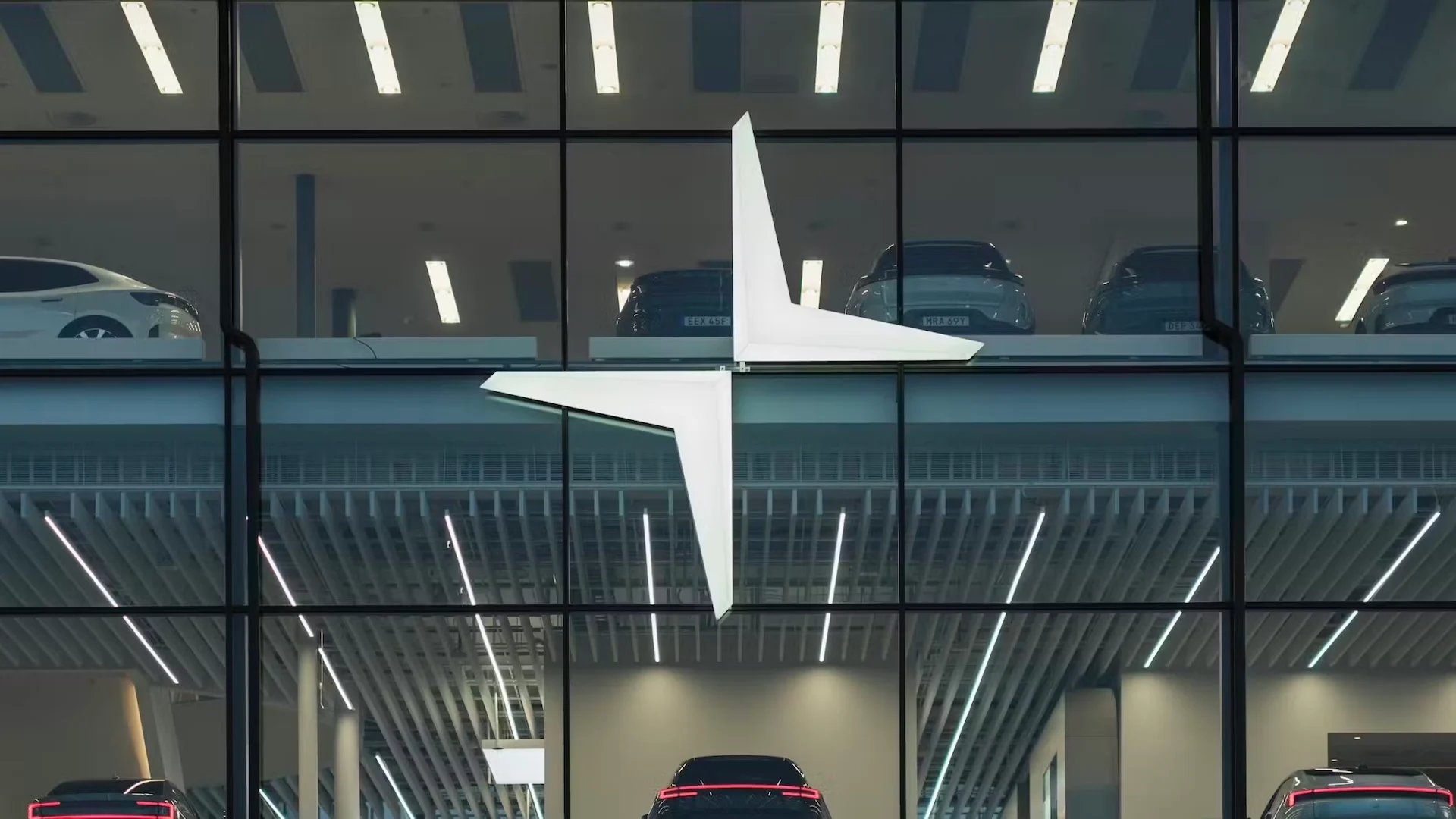
Sweden-based electric vehicle maker Polestar reported a sharp increase in fourth-quarter vehicle sales, supported by a strategic shift toward Europe as demand weakened in the United States amid tariffs, the expiry of EV tax incentives and intensifying competition.
The company said vehicle sales rose 27% year on year to 15,608 units in the fourth quarter, bringing full-year deliveries to 60,119 vehicles. Europe now accounts for about 78% of Polestar’s total sales, reflecting a growing reliance on the region as U.S. market conditions became more challenging.
See also: Polestar to Adopt Google’s Gemini AI Assistant Across Global Lineup From 2026
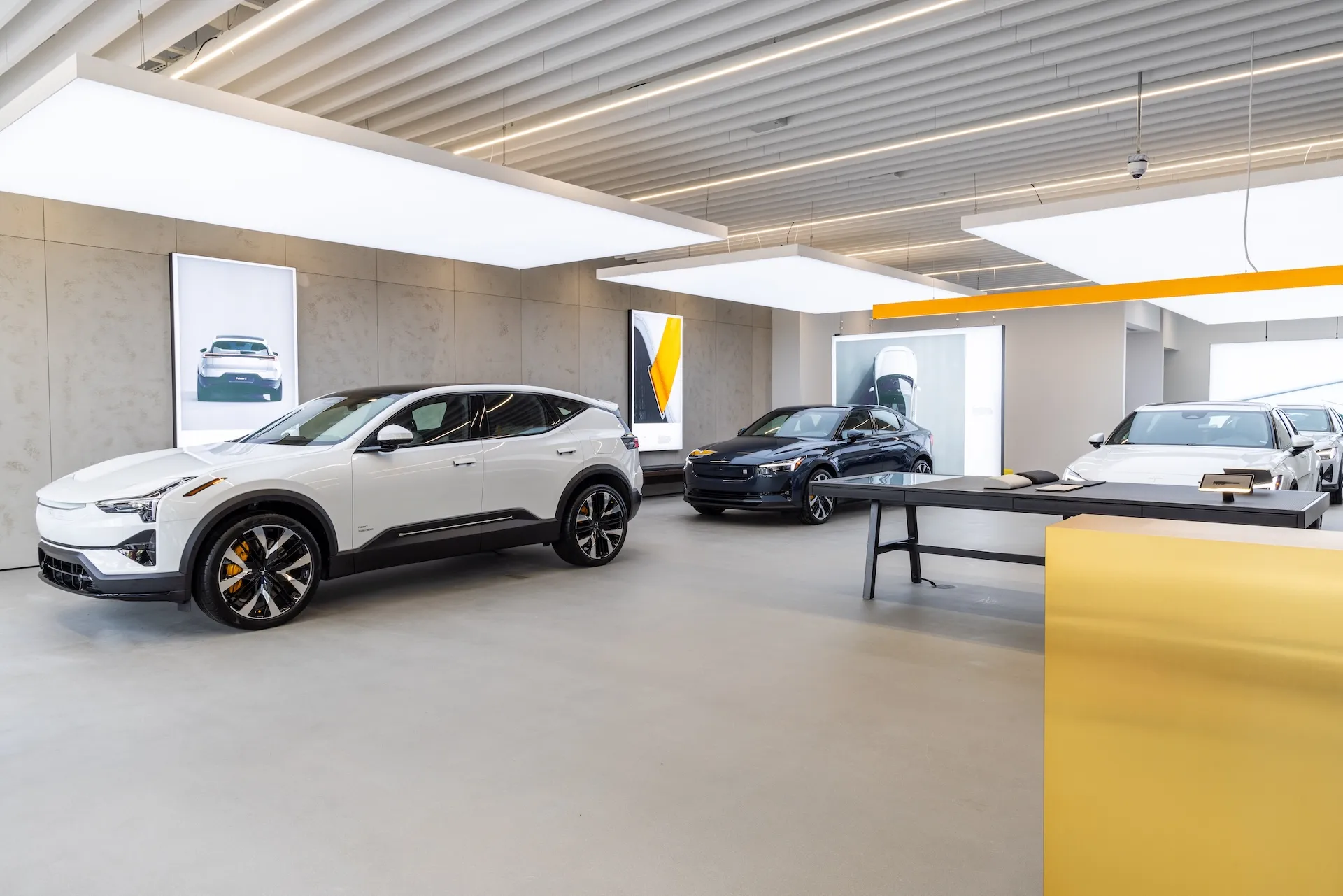
Polestar has also adjusted its sales strategy, scaling back its emphasis on online direct-to-consumer sales in favour of a dealer-led model. While the company expanded its retail and dealer network in Europe, it closed all 30 of its retail sites in China as part of broader restructuring efforts.
U.S. tariffs have weighed on margins, prompting Polestar to reconfigure supply chains and shift more production to Europe. The company has also faced financial pressure from high debt levels and persistent losses, which contributed to a weak share price. Polestar earlier avoided a Nasdaq delisting by executing a reverse stock split that lifted its share price from below $1 to about $18.
See also: Polestar Launches First Bi-Directional Charging Offer for U.S. Customers
“For retail sales volumes, 2025 has been the best year ever for Polestar, despite continued external headwinds and challenging market conditions,” Chief Executive Michael Lohscheller said.
To support liquidity during a broader slowdown in global EV demand, Polestar said in December that it had entered into a loan agreement of up to $600 million with its majority owner, China’s Geely Holding. The financing followed earlier funding arrangements involving Geely and European banks, underscoring the carmaker’s dependence on shareholder backing.
See also: Polestar 4 Becomes First Vehicle to Feature Google Maps’ AI-Powered Live Lane Guidance
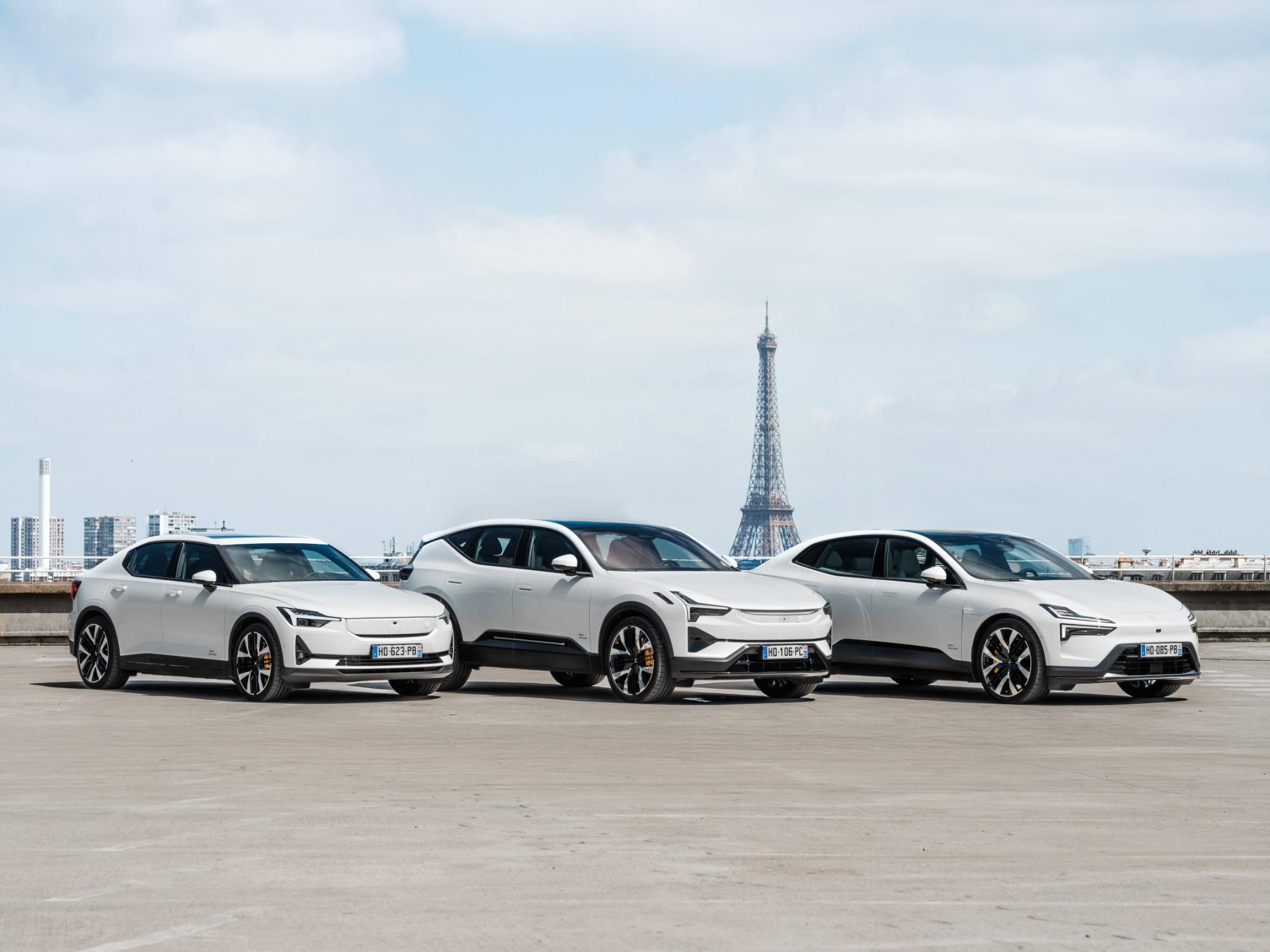
Polestar has increasingly relied on Geely’s platforms, supply chain and technology to reduce costs and improve efficiency, mirroring the strategy adopted by fellow Geely-owned automaker Volvo Cars.
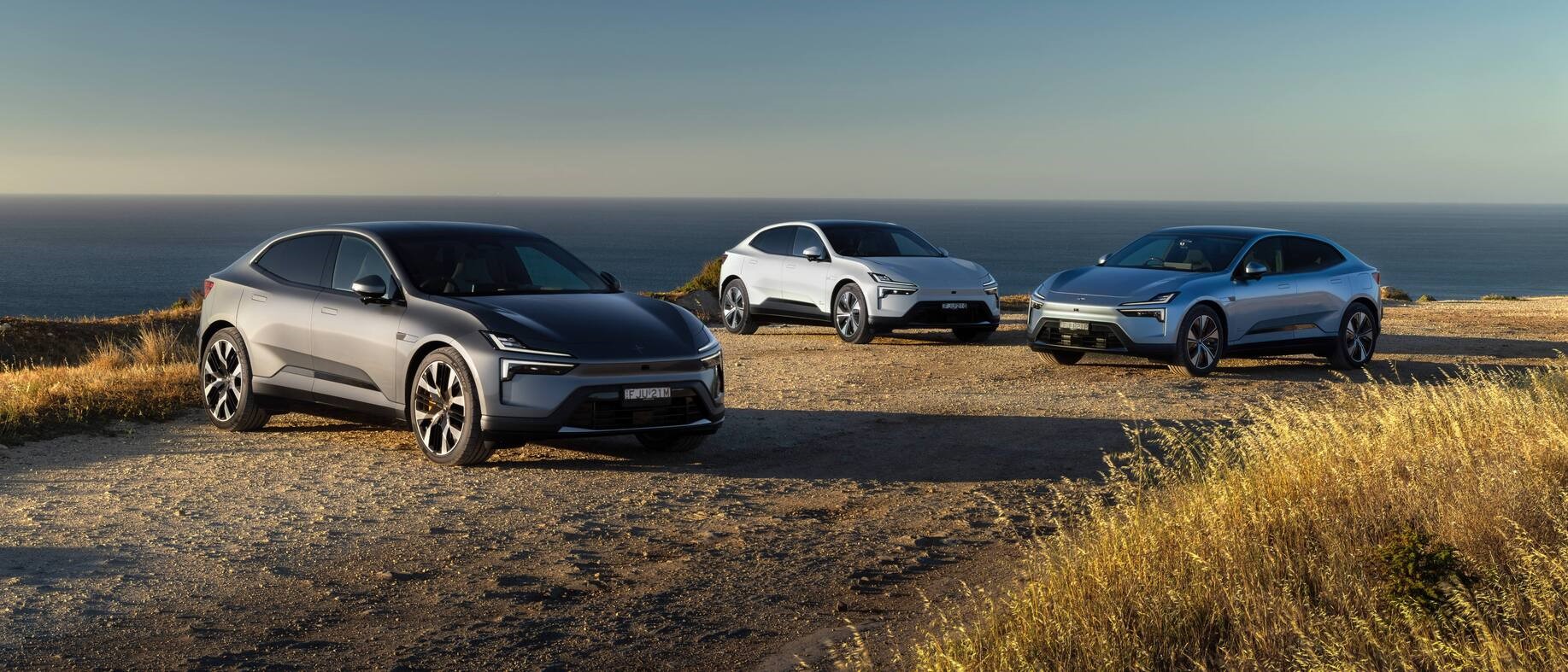
In December, Polestar also began deliveries of its Polestar 4 electric SUV coupe to customers in the United States, extending the model’s global rollout following earlier launches in China, Europe and Australia. The company views the model as a key part of its efforts to stabilise volumes while navigating a more competitive and capital-constrained EV market.