
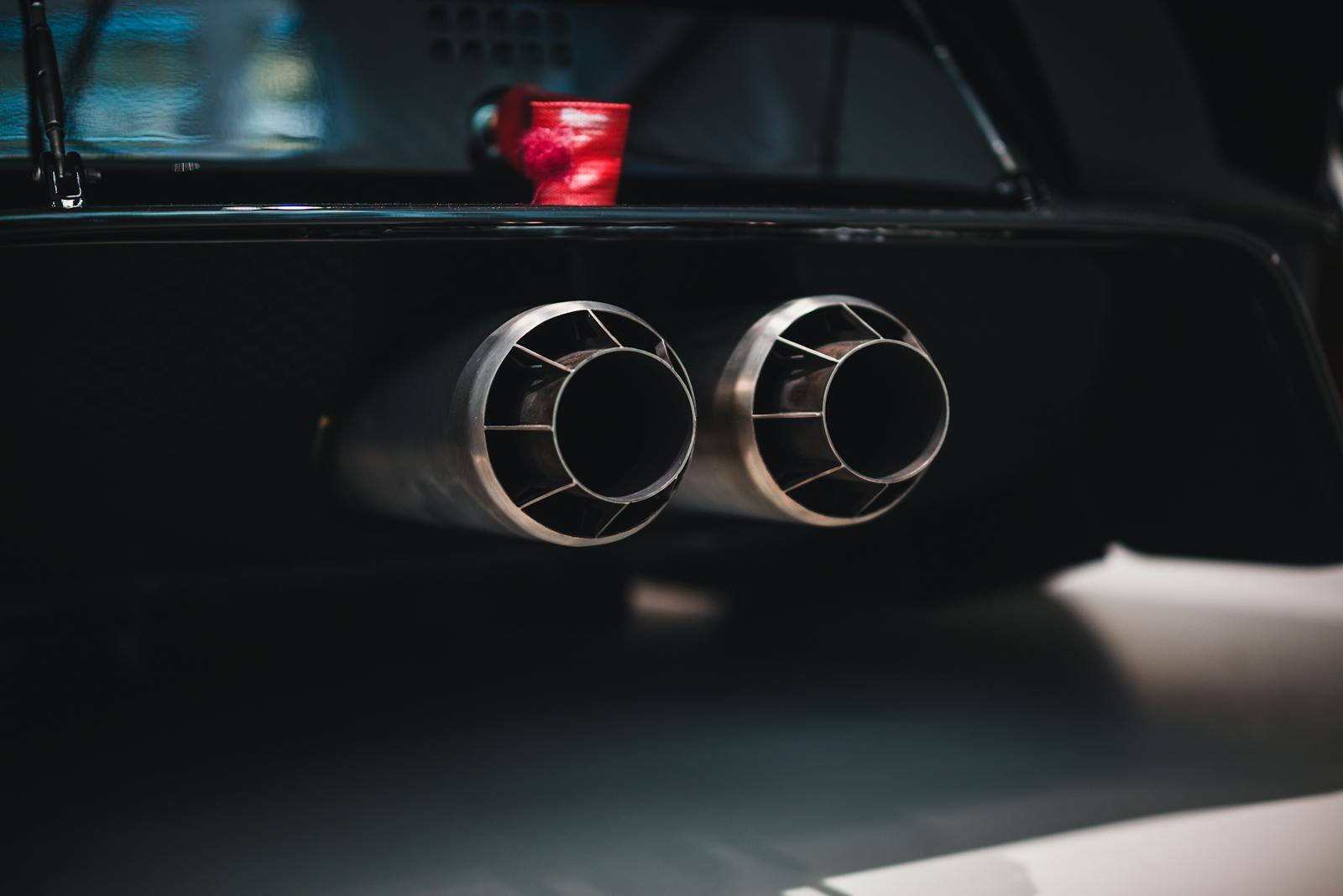
The European Union may allow new combustion-engine vehicles beyond 2035 under revised climate regulations, provided they run exclusively on low- or zero-emission fuels, EU Transport Commissioner Apostolos Tzitzikostas said, signalling potential flexibility in the bloc’s flagship decarbonisation policy for road transport.
The comments come as the European Commission prepares a long-awaited review of its post-2035 CO₂ fleet targets, a move closely watched by the automotive industry.
See also: Germany Seeks Broader Technology Scope in EU Review of 2035 Zero-Emission Car Rule
In an interview with Germany’s Handelsblatt, Tzitzikostas said the EU was “open to all technologies” and would incorporate “all technological developments” into future regulations. Two Commission officials separately confirmed to the newspaper that “traditional combustion engines would be permitted, provided they are fuelled exclusively with biofuels or e-fuels.”
The remarks follow pressure from Germany, where Chancellor Friedrich Merz urged Commission President Ursula von der Leyen to consider not only battery-electric vehicles but also plug-in hybrids, range extenders and what Berlin has described as “highly efficient” combustion engines in the revision of fleet limits.
See also: EU Carmakers Look to Brussels for Relief as 2035 Combustion Engine Phaseout Faces Review
EU officials have, however, stressed that any relaxation would be tied to fuel use rather than conventional petrol or diesel. Such a framework would restrict post-2035 combustion vehicles to clean fuels such as advanced biofuels or synthetic e-fuels, raising questions over availability, cost and consumer acceptance. While this approach could preserve long-term climate targets, it risks limiting the commercial appeal of new combustion models if clean fuels remain scarce or expensive.
The Commission was initially expected to present its new ‘EU car package’, including revised CO₂ targets, on Dec. 10. Tzitzikostas told Handelsblatt the proposal could be delayed by “a few weeks,” citing the scope and importance of the measures for European industry and competitiveness.
See also: France and Spain Reaffirm Support for EU’s 2035 Zero-Emission Car Target
The package is also expected to include new incentives for electric vehicles in corporate fleets, though details remain unclear. Proposals under discussion include a potential 100% electric quota for company fleets from 2030, a plan that has already drawn opposition from parts of the car rental industry.