
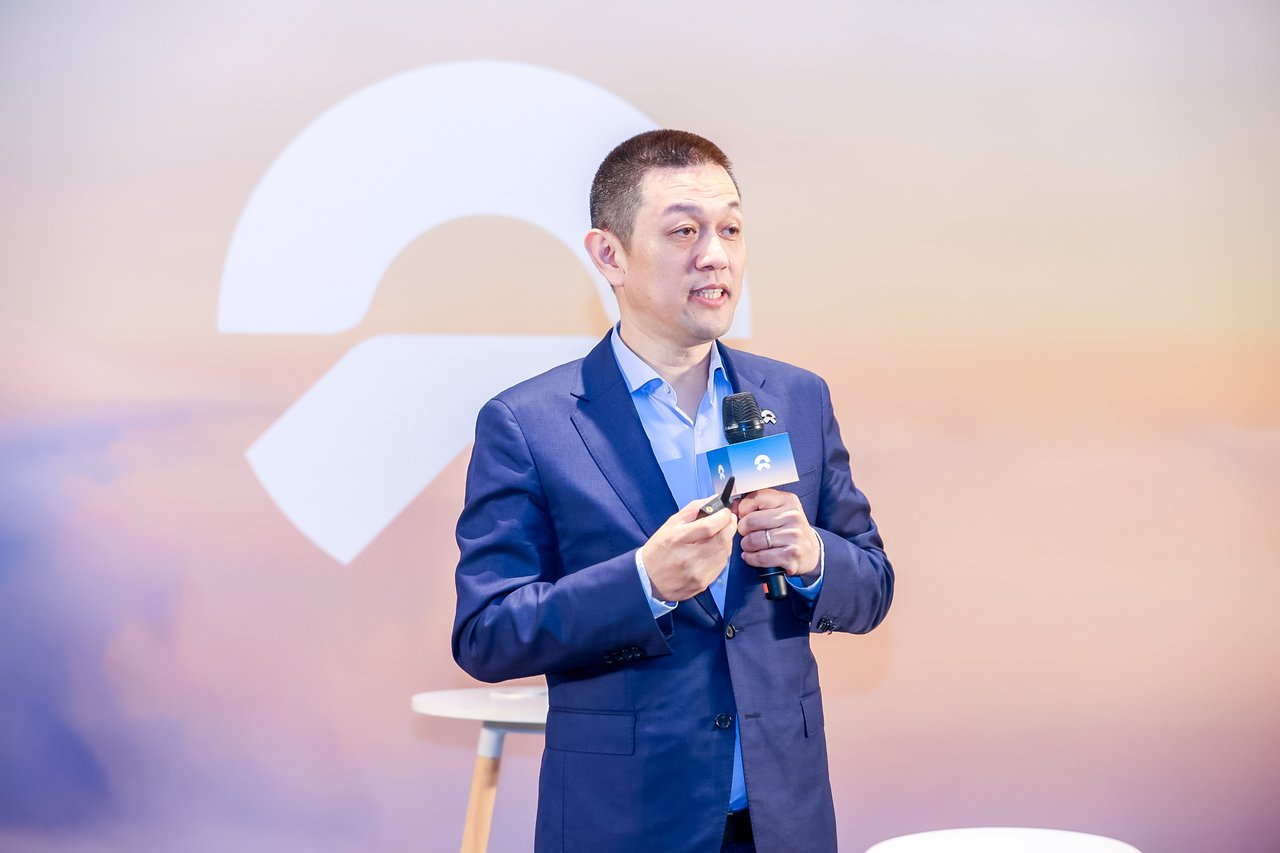
Nio is concentrating all efforts on boosting vehicle sales and achieving its first-ever quarterly profit in the fourth quarter, even as changing government policies weigh on demand across China’s auto market, its founder and chief executive William Li said during a media briefing.
“There’s no ‘Plan B’ for achieving fourth-quarter profitability,” Li said at the company’s Shanghai headquarters, according to a Q&A transcript released by Chinese business outlet 21jingji. He added that the company would make every effort to meet the target.
See also: Nio Marks 11th Anniversary as Cumulative Deliveries Near One Million Units
The comments followed Nio’s third-quarter earnings release on Nov. 25, which marked the company’s 11th anniversary. The electric vehicle maker posted a net loss of 3.48 billion yuan ($490 million), its narrowest quarterly loss since the third quarter of 2022. Adjusted net loss on a non-GAAP basis fell 38% from a year earlier to 2.74 billion yuan and dropped 33.7% from the previous quarter.
Management reiterated during an analyst call that it expects to turn profitable in the fourth quarter, with a longer-term goal of achieving full-year breakeven in 2026. Analysts, however, remain divided. CMB International said in a research note that Nio is likely to miss its fourth-quarter breakeven target due to challenges in controlling selling and administrative expenses, projecting a net loss of about 1.6 billion yuan. JP Morgan, by contrast, said it expects the automaker to reach quarterly profitability and move toward a broader profitability inflection point in 2026.
See also: Nio Cuts Quarterly Net Loss to RMB 3.48 Billion as Cost Controls Strengthen Outlook for Q4 Profit
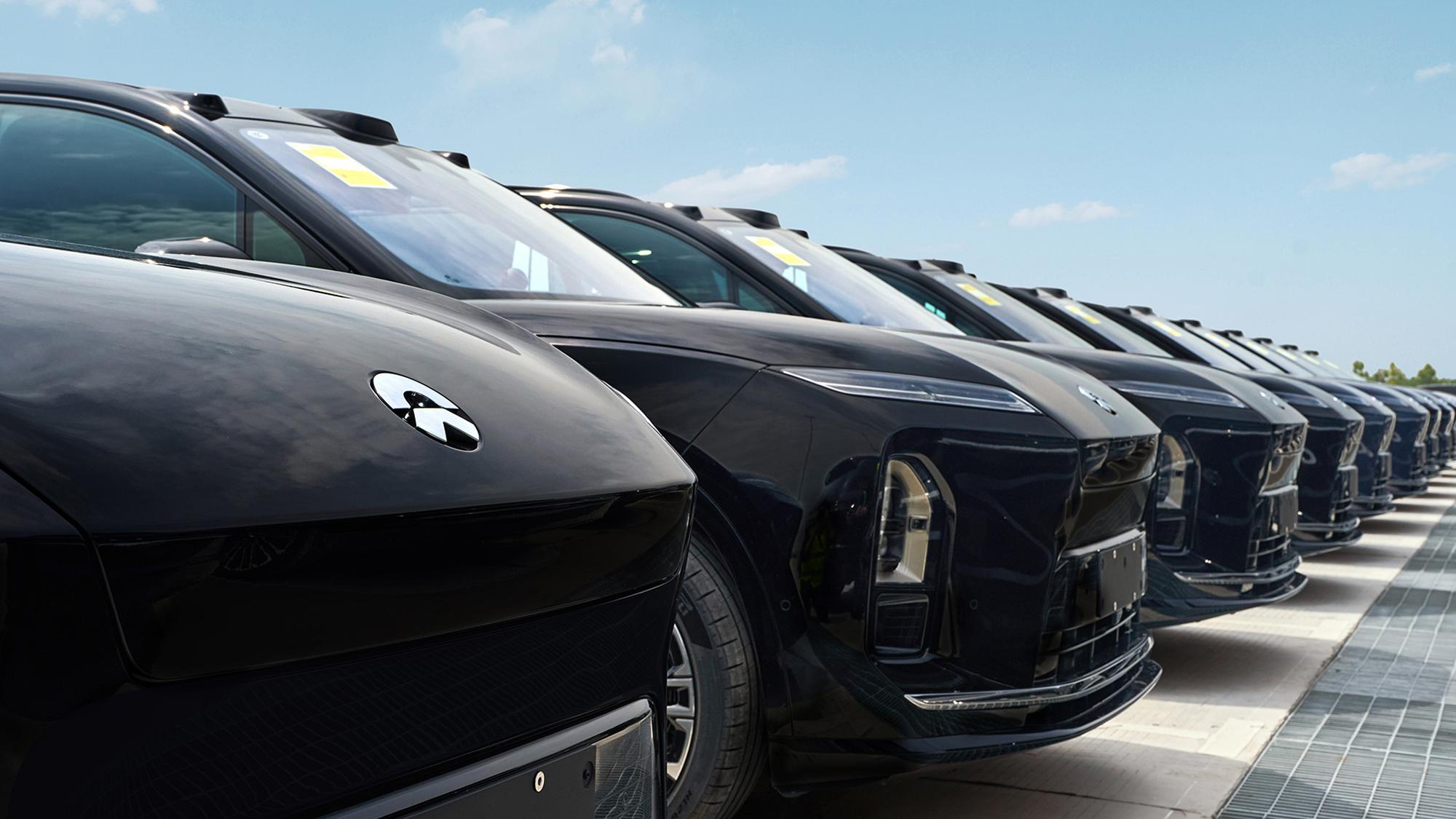
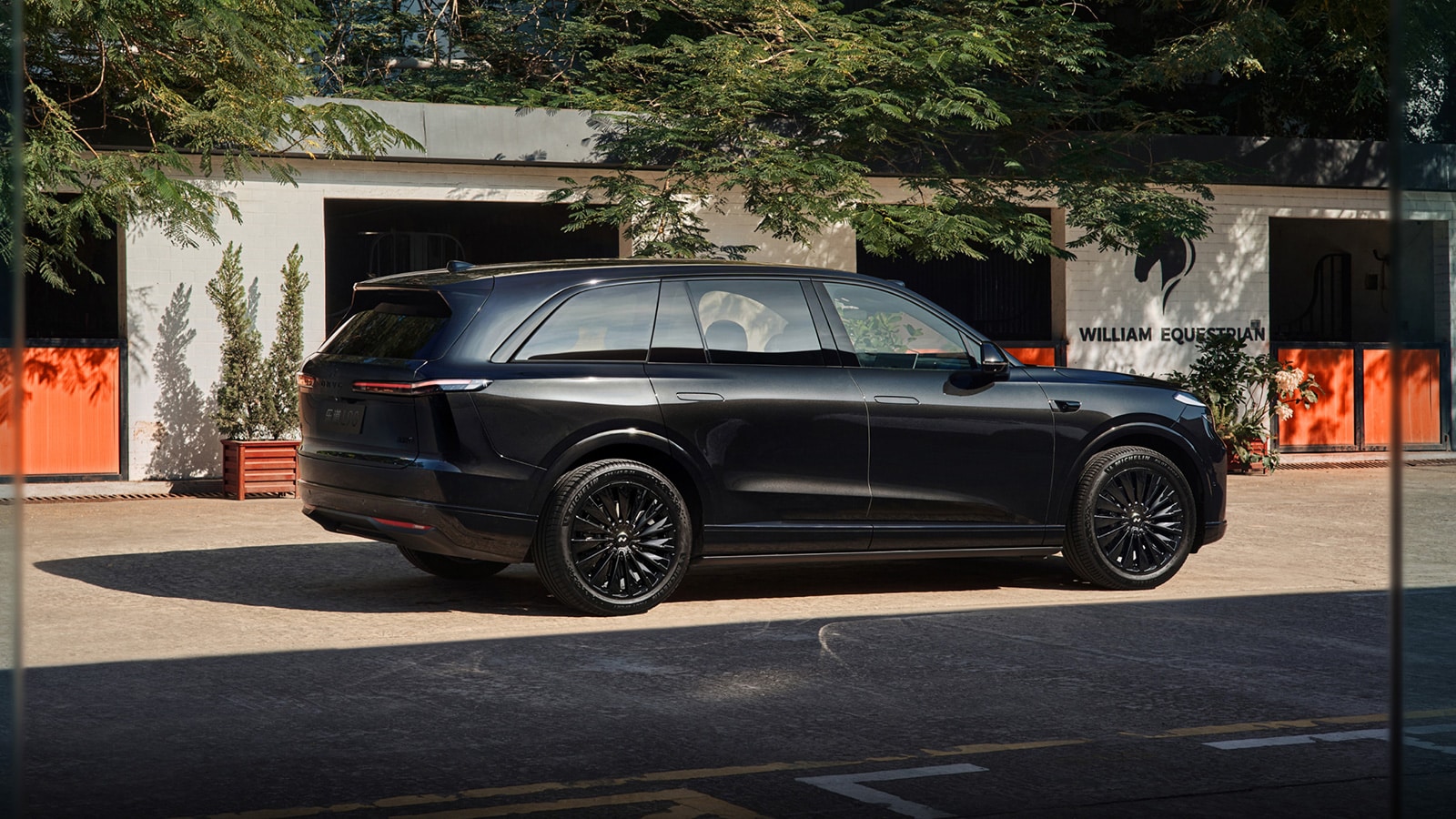
Li also addressed the impact of China’s phased withdrawal of trade-in subsidies, saying the abrupt policy shift had a sharper effect on market demand than the industry had expected. “Our strategy is to maintain price stability because we still have backlog orders for models like the all-new ES8, which performs well in its segment,” Li said, adding that this places Nio in a relatively stronger position than some rivals. He noted that most of the company’s other models have been affected by the slowdown.
Several Chinese provinces and cities have withdrawn vehicle trade-in subsidies in recent months. From next year, purchases of new energy vehicles will also be subject to a 5% tax — half the standard rate — unless further policy adjustments are introduced.