
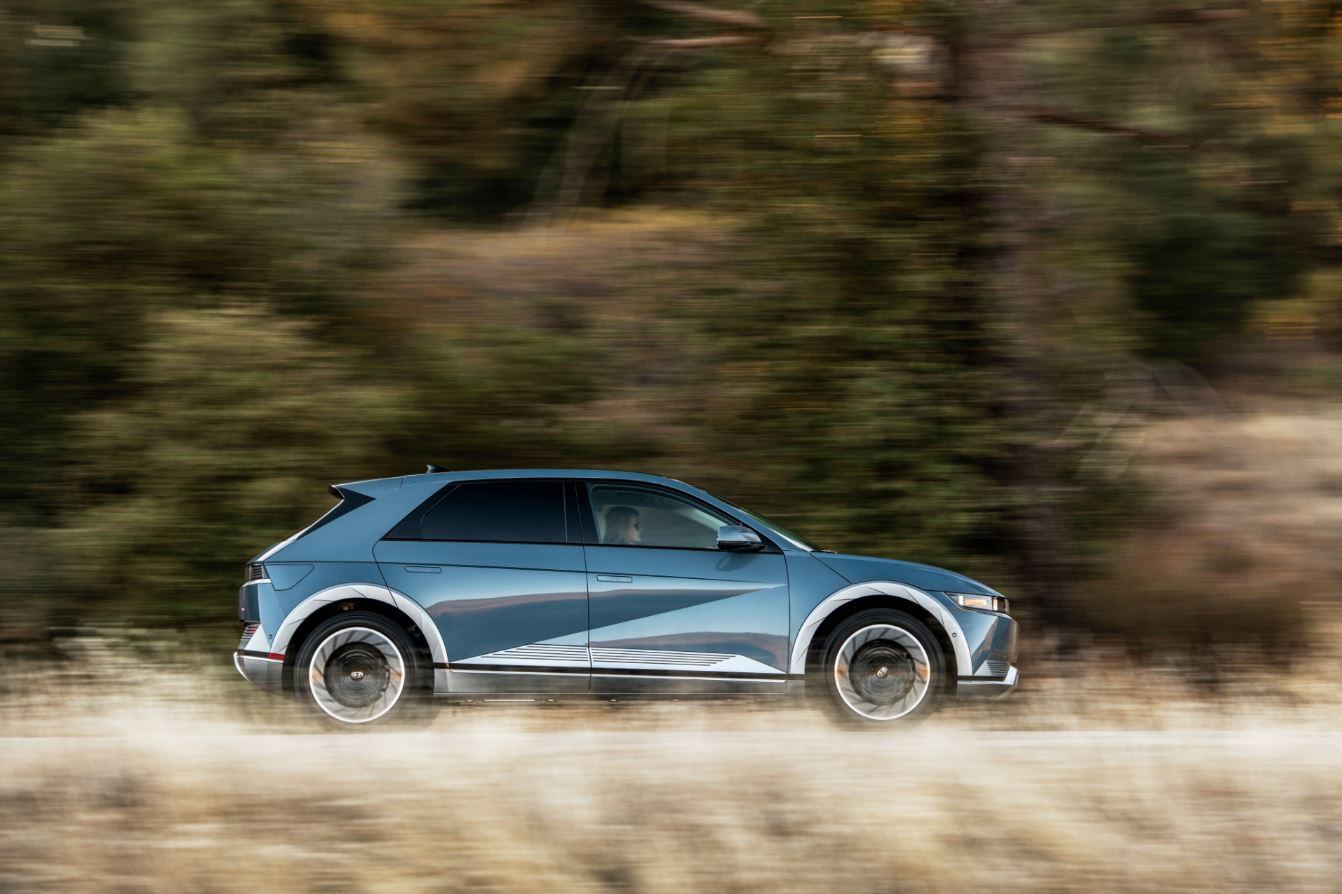
South Korea will raise its subsidies for electric and fuel cell vehicles at the beginning of next year as part of a broader plan to support the transition toward future mobility technologies. The government said subsidies will increase from 780 billion won (about €461 million) to 936 billion won (about €555 million) in 2026, a 20% rise compared with current funding levels.
The new policy package includes a one-million-won (roughly €590) replacement bonus for drivers who scrap older combustion-engine vehicles and purchase a battery-electric or hydrogen fuel cell model. Additional programmes will be introduced for electric and hydrogen-powered buses. The measures are intended to accelerate electrification and support domestic uptake of cleaner transport technologies.
As part of its broader ‘K-mobility global leadership strategy’, the government aims to restructure its automotive supply chain. The plan seeks to convert around 70% of combustion-engine component suppliers into companies focused on technologies for future mobility by 2030.
This includes designating 200 specialised firms and launching research programmes to assist their transition. The government also intends to train around 70,000 workers in areas such as AI, robotics and advanced vehicle systems by 2033. A further 15 trillion won (around €8.85 billion) will support the automotive industry’s transformation.
South Korea also plans to accelerate development in autonomous driving, with the goal of competing with leading markets such as China and the United States by the end of the decade. In partnership with LG Electronics and Hyundai Mobis, the government aims to advance software-defined and AI-defined vehicle technologies, while putting relevant legal frameworks in place by 2026.
To support exports, the government will promote expansion into high-growth markets including Brazil, Saudi Arabia and India. A 50-billion-won (approximately €29.5 million) innovation fund will be created to encourage overseas growth, while also reinforcing investment within South Korea.
Source: biz.chosun.com