
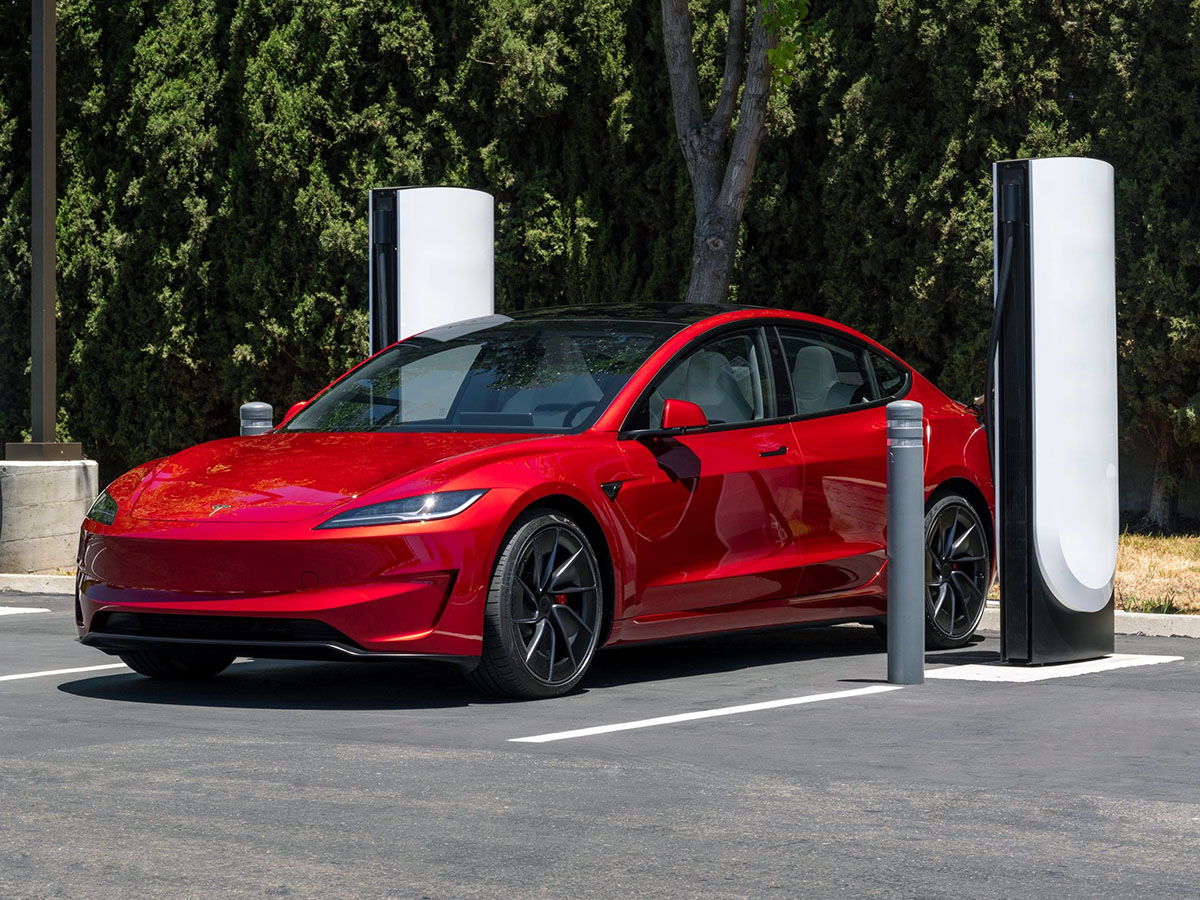
Tesla has provided new insights into how its battery preconditioning system optimizes charging performance by adapting to changing ambient temperatures. The feature, available across Tesla’s vehicle lineup, helps drivers achieve faster Supercharging sessions by warming the high-voltage battery to the ideal temperature before reaching a charging station.
The system works in conjunction with Tesla’s Trip Planner, which automatically activates battery preconditioning when a Supercharger is selected as the destination. By raising the battery’s temperature to improve ion transfer, the process ensures optimal energy intake once the vehicle is connected to the charger. Tesla engineers explained that the feature “adapts to fluctuating temperatures,” taking into account seasonal weather variations to fine-tune the preheating process.
See also: New Tesla Feature Simplifies Supercharging for Towing Vehicles
According to Tesla, accounting for ambient conditions can reduce total charging time by as much as ten minutes per session. This optimization is particularly beneficial for Tesla’s 400V vehicles, which have a maximum charging speed of 250 kW—slower than competitors like BYD, whose latest platforms support up to 1 MW fast charging.
See also: Tesla Supercharger Leads U.S. DC Fast-Charging Expansion in Q3 as Network Surpasses 64,000 Ports
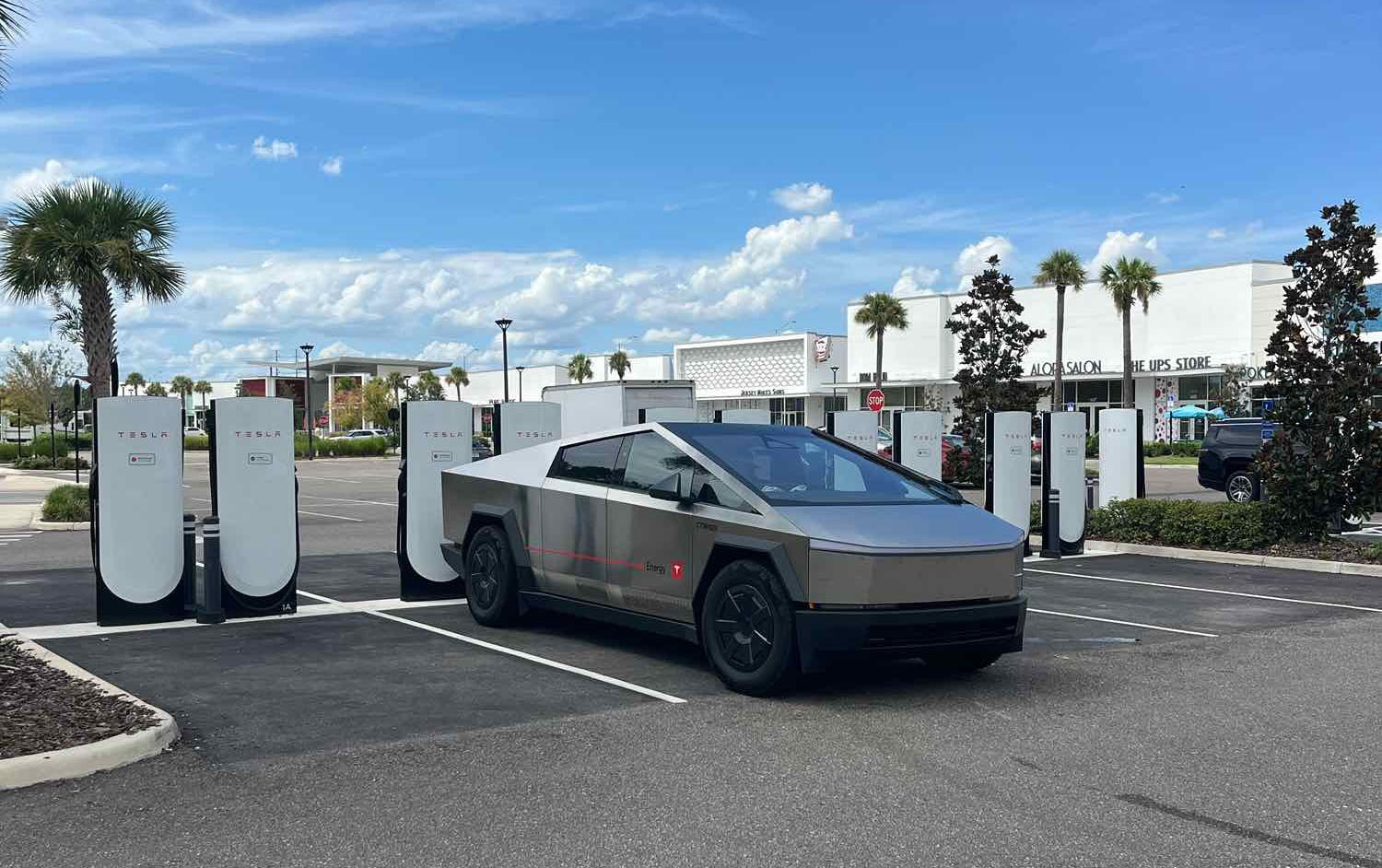
While the Cybertruck operates on a newer 800V powertrain, its 4680 battery cells still face thermal efficiency limits, resulting in longer charging times. Even at Tesla’s latest 500 kW V4 Superchargers, it typically takes around 35 minutes to reach 80% charge when arriving with a low battery and warm pack.
To illustrate how its system adapts globally, Tesla recently released a time-lapse video showing ambient temperature fluctuations across its worldwide Supercharger network, underscoring how environmental data influences real-time battery preconditioning.
Tesla Launches ‘MultiPass’ to Simplify Charging at Non-Tesla Stations