
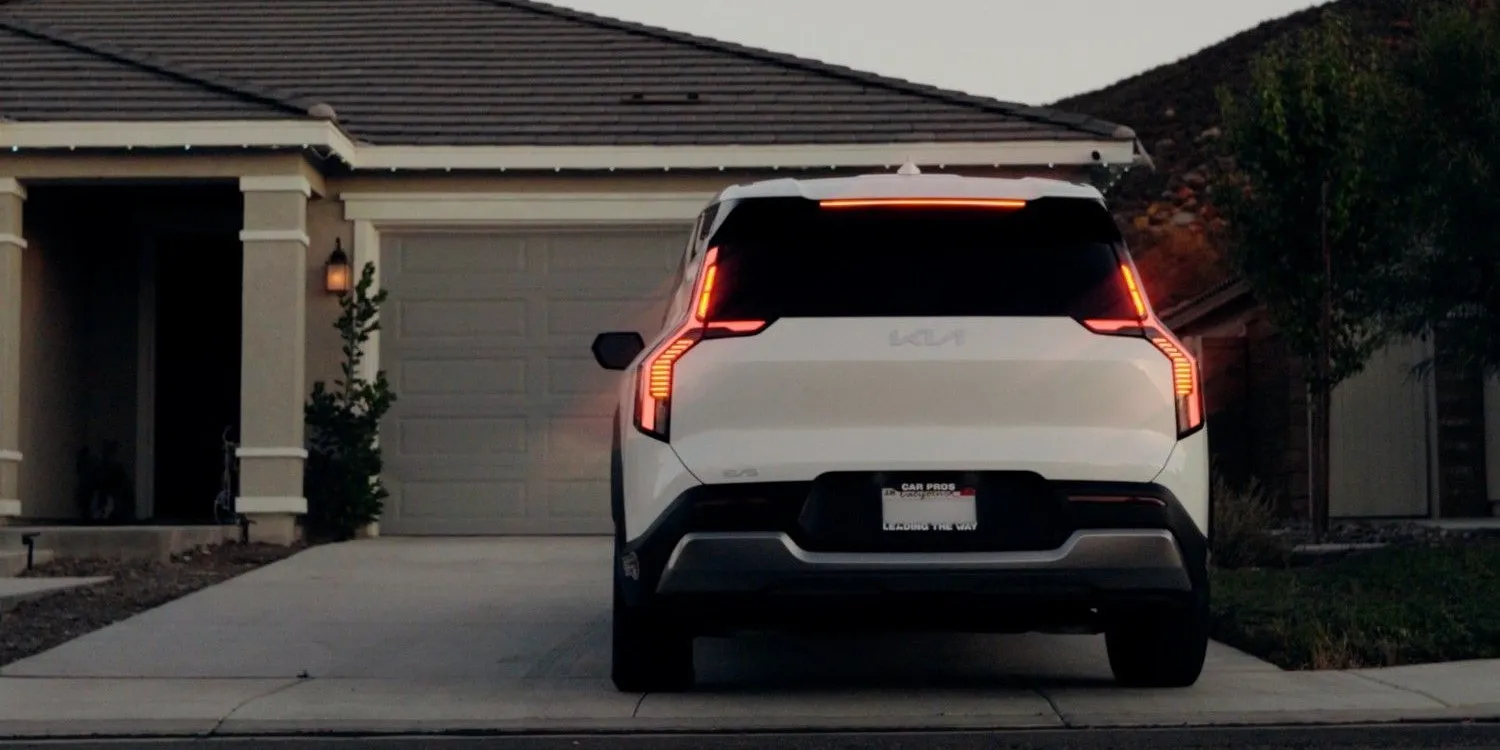
Wallbox has expanded its U.S. residential pilot for bidirectional charging, partnering with Bidirectional Energy to roll out a program reaching 180 homes across California and Connecticut. The initiative follows the company’s first pilot in California last week, which involved six Quasar 2 bidirectional chargers.
The program initially targets Kia EV9 owners, allowing them to use Wallbox’s Quasar 2 charger in combination with Bidirectional Energy’s virtual power plant (VPP) platform to lower energy costs, support grid stability, and integrate EVs into the clean energy ecosystem. Participants can receive up to $8,800 in incentives in California and $10,800 in Connecticut to cover equipment and installation, while saving as much as $1,500 annually on energy bills and earning an additional $1,350 through grid participation.
See also: Wallbox Completes First U.S. Residential Installations of Quasar 2 Bidirectional EV Charger
The Quasar 2 is a 12.48-kilowatt bidirectional charger capable of charging electric vehicles, powering homes, or returning energy to the grid. When paired with Wallbox’s Power Recovery Unit, it can serve as a backup power source during outages. The Bidirectional Energy app allows users to control charging preferences, manage grid participation, and monitor potential earnings.
To qualify for the first phase, participants must own or lease a Kia EV9, reside in a single-family or small multi-family home, and be customers of participating utilities. Priority will be given to underserved communities in both states. Approved homeowners can purchase and install the Quasar 2, then claim rebates through the Bidirectional Energy app, which also handles setup and utility coordination.
See also: Wallbox Fast Chargers to Power New Public EV Network in Western Canada
“Bidirectional charging holds the potential to transform how people use and manage energy at home,” said Douglas Alfaro, chief business development officer at Wallbox. “By partnering with Bidirectional Energy, we’re empowering EV owners to turn their vehicles into energy assets, earning money while supporting a more resilient grid.”