
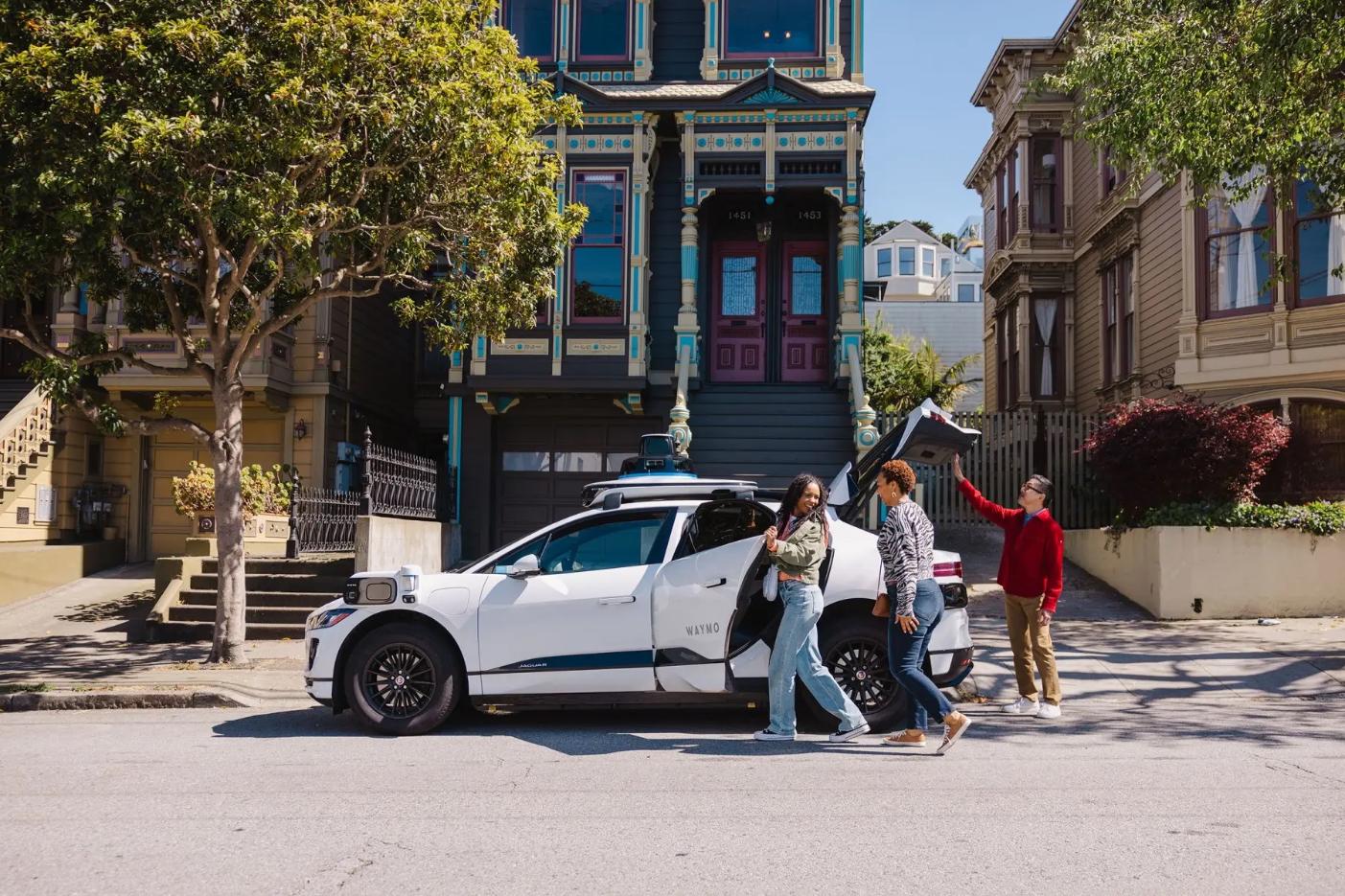
Alphabet’s autonomous vehicle unit Waymo plans to launch its fully driverless ride-hailing service in London in 2026, marking its first major expansion outside the United States. The company said it will begin testing vehicles with safety drivers in the British capital ahead of full commercial operations next year.
Waymo, which has grown gradually in the U.S. despite regulatory and technical challenges, is accelerating its global expansion through partnerships with fleet operators and ride-hailing platforms. Earlier this year, it began collecting data in Tokyo in collaboration with Japanese taxi operator Nihon Kotsu and the Go taxi-hailing app.
See also: Waymo Hires Tesla Audio Engineer to Lead In-Car Experience for Autonomous Vehicles
In London, Waymo will partner with vehicle financing company Moove to prepare for the rollout and manage fleet operations, facilities, and charging infrastructure. The company said it is working closely with local and national regulators to secure necessary approvals. “Waymo vehicles are now on the way to London, where safety drivers will start testing the vehicles before fully autonomous operations begin next year,” a company spokesperson said.
Waymo currently operates more than 1,500 vehicles in U.S. cities including San Francisco, Los Angeles, Phoenix, Atlanta, and Austin, handling over 250,000 paid trips each week. The firm already partners with Moove in Phoenix and will extend that collaboration to Miami in 2026.
See also: Waymo Launches Corporate Ride-Hailing Program to Target Business Travel
The expansion comes amid intensifying competition in the autonomous mobility sector. Tesla is preparing to launch its long-promised robotaxi service in the U.S., while Uber announced plans in June to begin offering fully driverless rides in the UK from spring 2026 through its partnership with British AI startup Wayve.
Commercializing autonomous driving technology has proven challenging, with several U.S. developers facing setbacks. General Motors’ Cruise unit has been the subject of recalls, safety incidents, and federal investigations, underscoring the difficulties of scaling robotaxi services safely and profitably.