
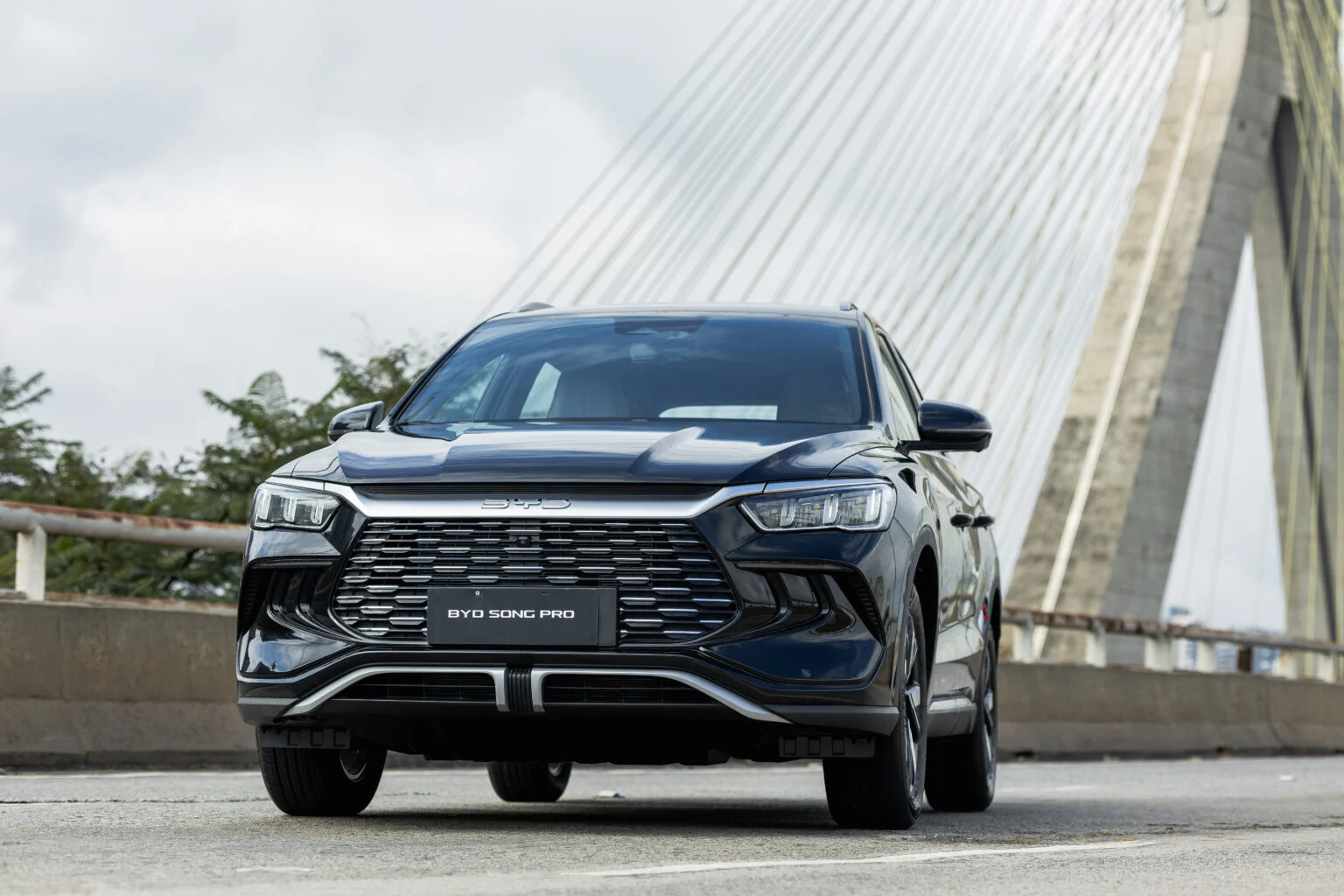
Chinese automaker BYD has unveiled its first Super Hybrid vehicle capable of running on biofuel in Brazil, marking a milestone as the company’s 14 millionth new-energy vehicle (NEV) rolled off the production line. The debut coincides with BYD’s plan to double production capacity at its Camaçari plant to 600,000 vehicles annually.
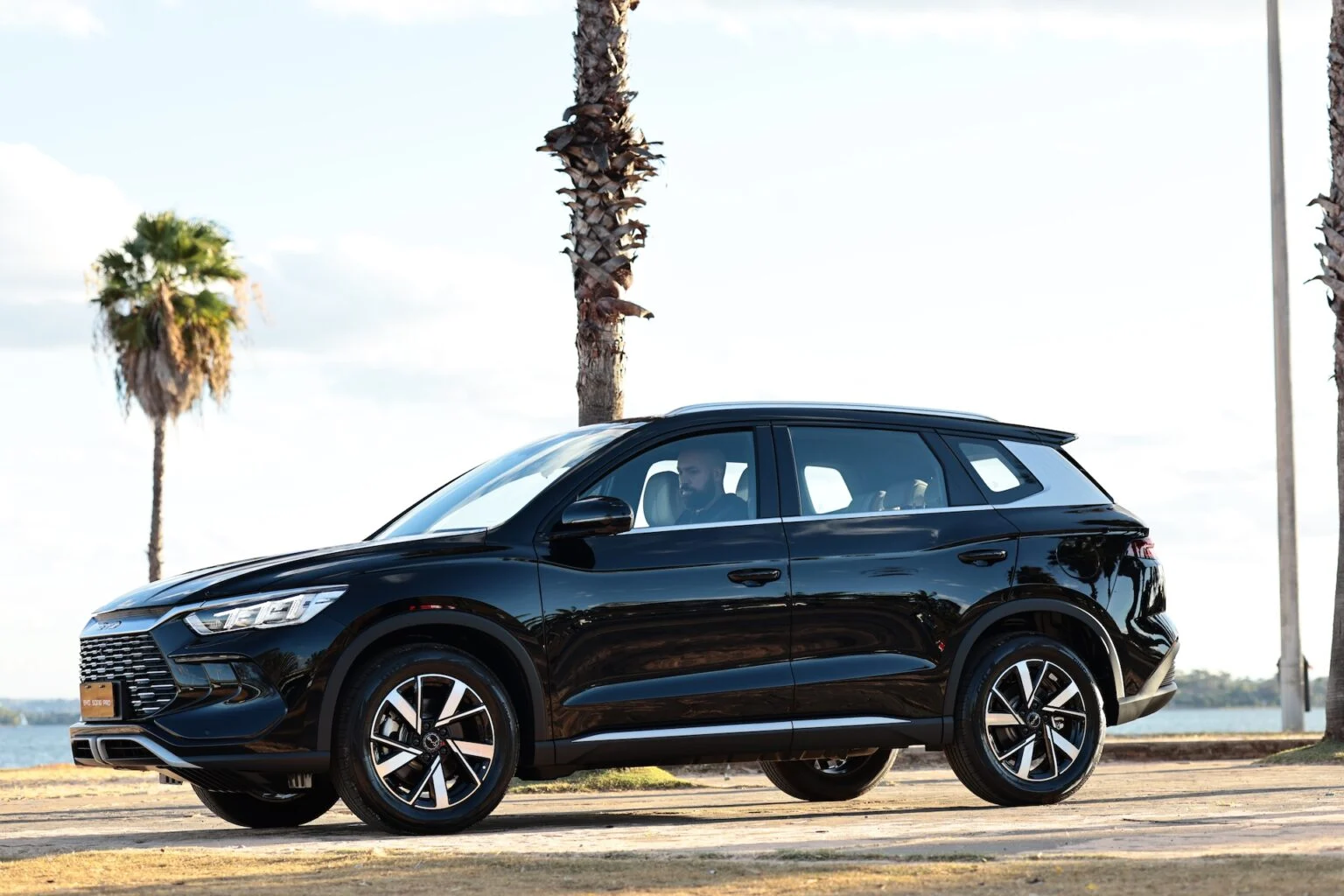
The new powertrain system, developed specifically for Brazil, made its first appearance in the SONG PRO COP30, a special edition model that will be donated to the upcoming UN climate summit COP30 in Belém, Brazil. The hybrid system integrates BYD’s DM-i (Dual Mode Intelligent) technology, which prioritizes electric driving and uses the combustion engine primarily to charge the battery, even when operating in hybrid mode.
See also: BYD Launches 2026 Seal 05 DM-i Hybrid Sedan With Extended Range
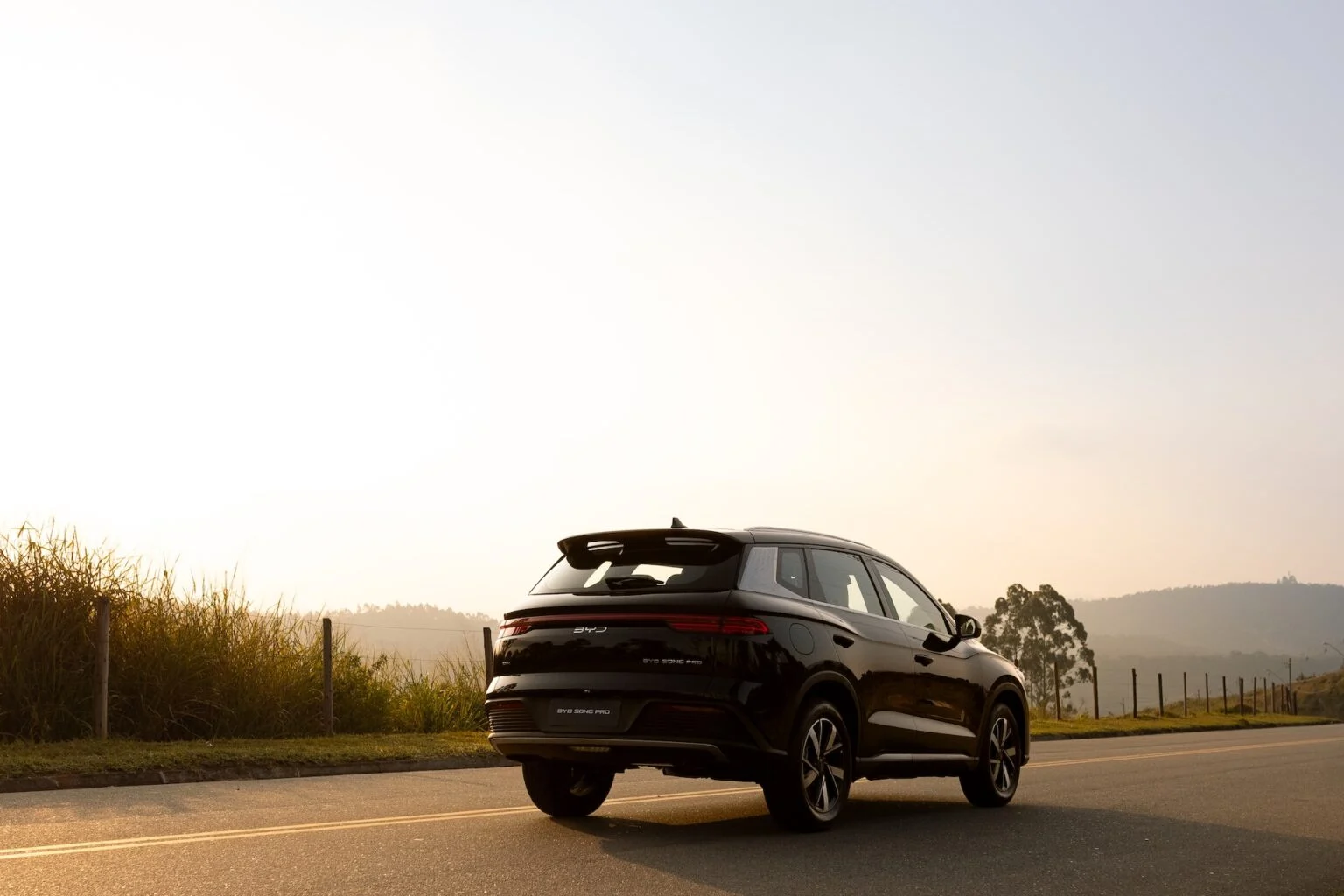
Engineers from China and Brazil adapted the 1.5-liter Super Hybrid engine to run on any mix of gasoline and ethanol, leveraging Brazil’s established biofuel infrastructure. Wang Chuanfu, BYD’s founder and CEO, described the innovation as “a green and sustainable solution tailor-made for Brazil.”
Tyler Li, President of BYD Brazil, called the ethanol-compatible hybrid “a historic advance,” adding: “We value the national renewable energy matrix… a crucial step toward consolidating Brazil as a global leader in sustainable mobility.”
See also: BYD Produces 14 Millionth New Energy Vehicle at Brazilian Factory
The launch ceremony, attended by President Luiz Inácio Lula da Silva, also highlighted the rapid development of BYD’s operations in Brazil. The company’s factory in Camaçari – the largest EV production facility in Latin America and BYD’s biggest outside Asia – was built in just 15 months and currently employs over 1,500 people. It has an initial annual production capacity of 150,000 vehicles, with plans to increase to 300,000 before expanding to 600,000 units per year.
Stella Li, BYD Executive Vice President and CEO for the Americas and Europe, said: “BYD believes in the growth potential of the Brazilian market and will continue to invest to help boost the economy, create jobs, and train the workforce.”