
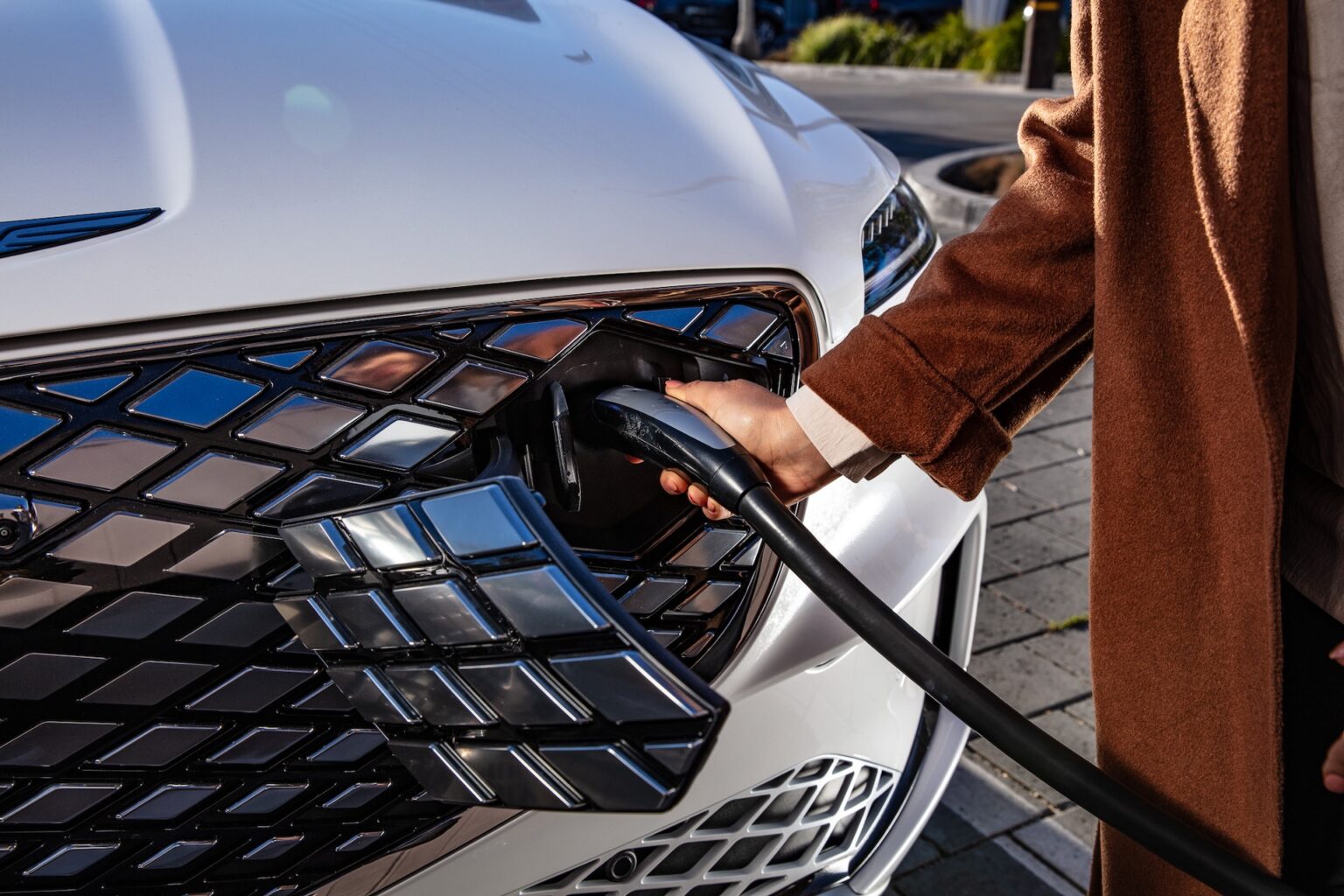
U.S. auto executives are warning of a steep drop in electric-vehicle (EV) sales in October after the federal $7,500 tax credit for buyers expired at the end of September, potentially halving EVs’ share of the market.
“It’s a game-changer,” Ford Motor CEO Jim Farley said at a Detroit event on Tuesday, just hours before the subsidy ended. He added he would not be surprised if EVs fall to 5% of total U.S. vehicle sales this month, down from a record 10% in August when buyers rushed to take advantage of the credit.
See also: Ford and GM Offer Dealer Programs to Extend $7,500 EV Lease Tax Credit
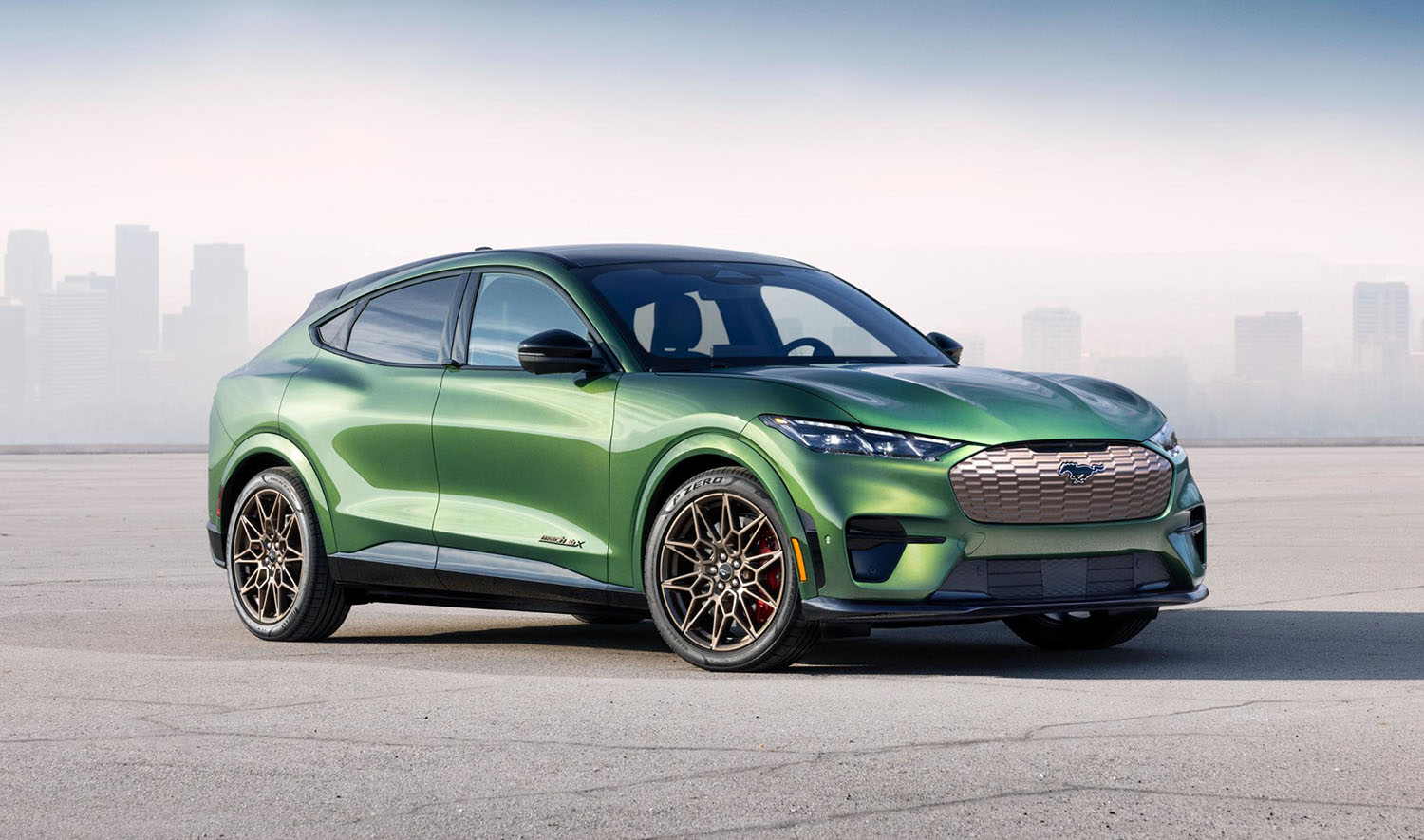
“The EV market is going to collapse in October,” said Christian Meunier, chairman of Nissan Americas, whose company is rolling out a redesigned version of its Nissan Leaf in the U.S. “That competition is going to be super-brutal, because there is a lot of stock. Our competitors have built a lot of EVs,” Meunier told Reuters.
The credit, originally introduced in 2008, was extended under the 2022 Inflation Reduction Act but limited to vehicles built in the U.S. with certain levels of domestically sourced batteries and materials. It expired on Sept. 30 under tax legislation signed in July by U.S. President Donald Trump, who campaigned last year on rolling back what he called former President Joe Biden’s “EV mandate.”
See also: CARFAX Reports 30% Surge in EV and Hybrid Sales Ahead of Expiring U.S. Tax Credit
A study last year by researchers from the University of California, Berkeley, Duke University and Stanford University estimated EV registrations could fall by 27% without the subsidy.
Even before the deadline rush, U.S. EV sales growth had slowed. In the first half of 2025, sales rose just 1.5% from a year earlier, according to Cox Automotive, despite a wave of new models. By comparison, EV and plug-in hybrid sales accounted for more than 40% of the Chinese market and around 20% in Europe.
Dealers say they are preparing for weaker demand. “We’ll take fewer EVs from manufacturers in the near term,” said Scott Kunes, chief operating officer of a Midwest dealer group. Brad Sowers, a dealer in St. Louis, said affordable EVs should still find buyers, but pricier models such as General Motors’ electric Silverado pickup, which can exceed $90,000, may struggle.
See also: Canada Q2 2025 EV Market: Full Hybrids Lead at 12.9% as ZEV Share Falls to 9.2%, BEVs at 5.9%
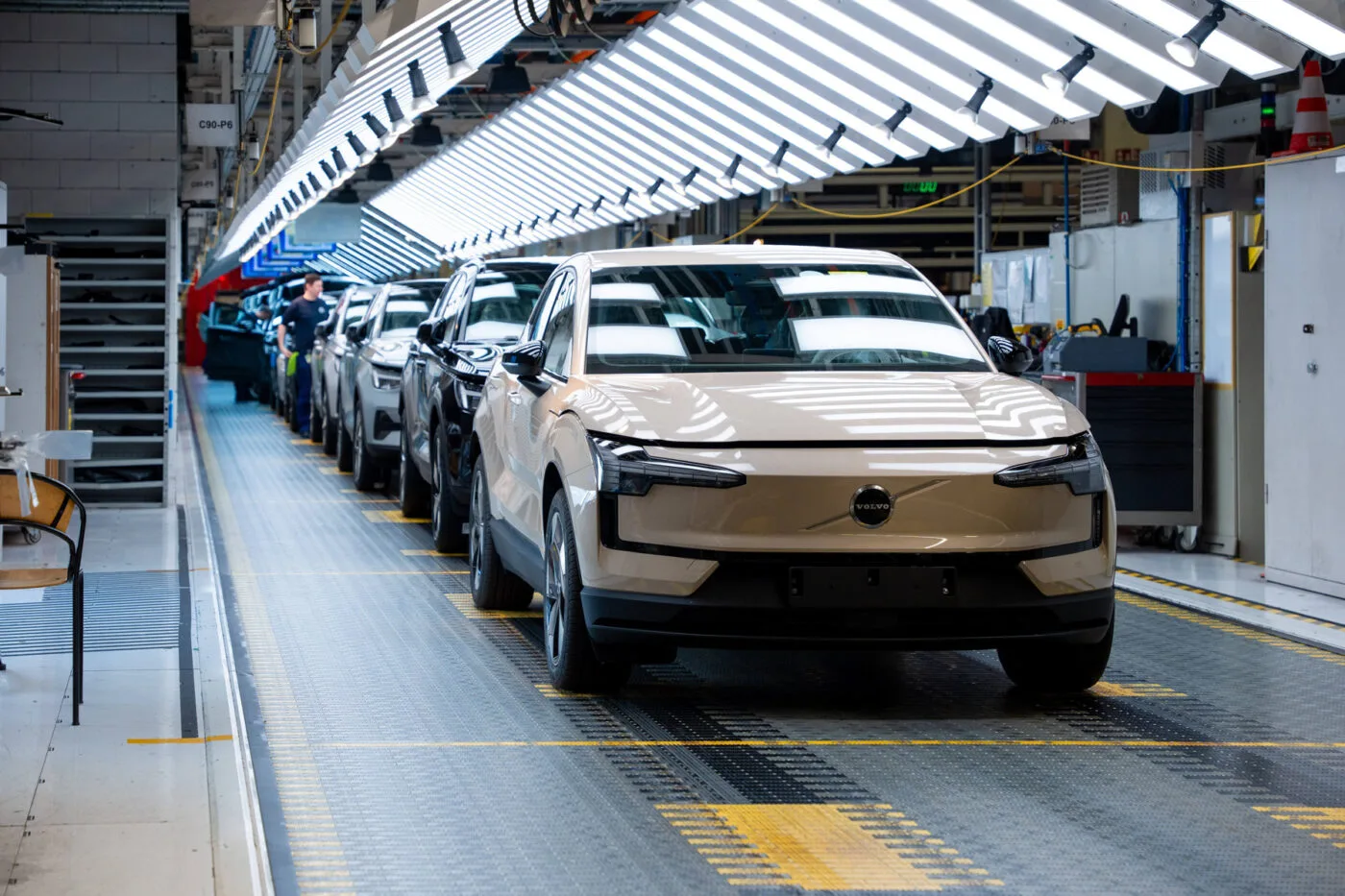
Automakers are moving to soften the blow. GM and Ford are working with dealers on lease programs that extend the equivalent of the tax break for several more months, while Hyundai is offering up to $9,800 off certain Ioniq 5 models. “There was an EV market before IRA, and there’s going to be an EV market after IRA,” said Randy Parker, CEO of Hyundai Motor North America.
Other carmakers say they will not alter long-term strategies. “Our ambition is to be an electric company. That is not based on any tax credits or incentives. It’s based on an electric car is better for U.S. consumers,” Volvo Car CEO Hakan Samuelsson told.
Source: Reuters