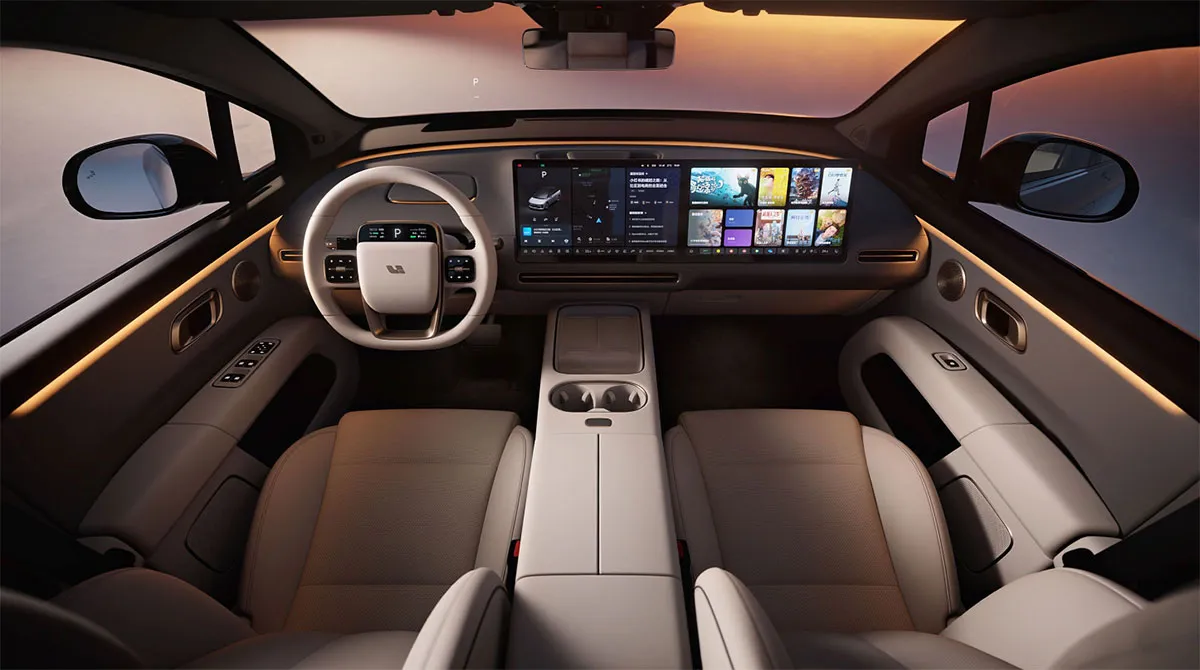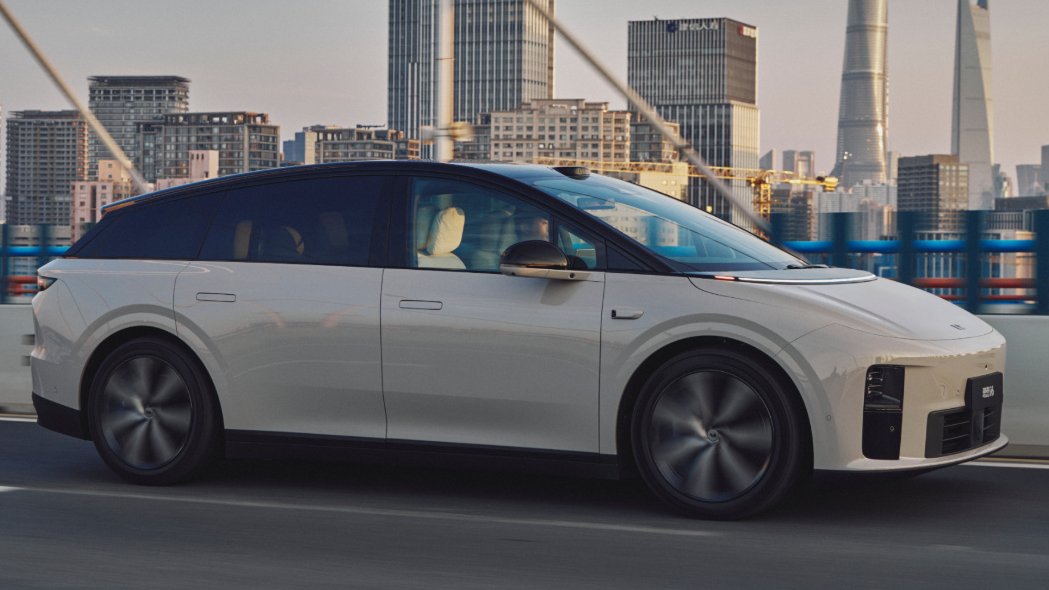
Li Auto has introduced the Li i6, its second battery electric SUV after the Li i8, in a bid to bolster its presence in the pure-electric segment and offset a recent decline in deliveries.
The five-seat Li i6 is priced from RMB 249,800 ($35,020), undercutting the larger six-seat Li i8 by RMB 90,000, or about 26 percent. Display and test drive units have arrived at Li Auto stores, with deliveries scheduled to begin immediately. The launch comes less than two months after the rollout of the Li i8, which underwent a price adjustment in August following weaker-than-expected sales.
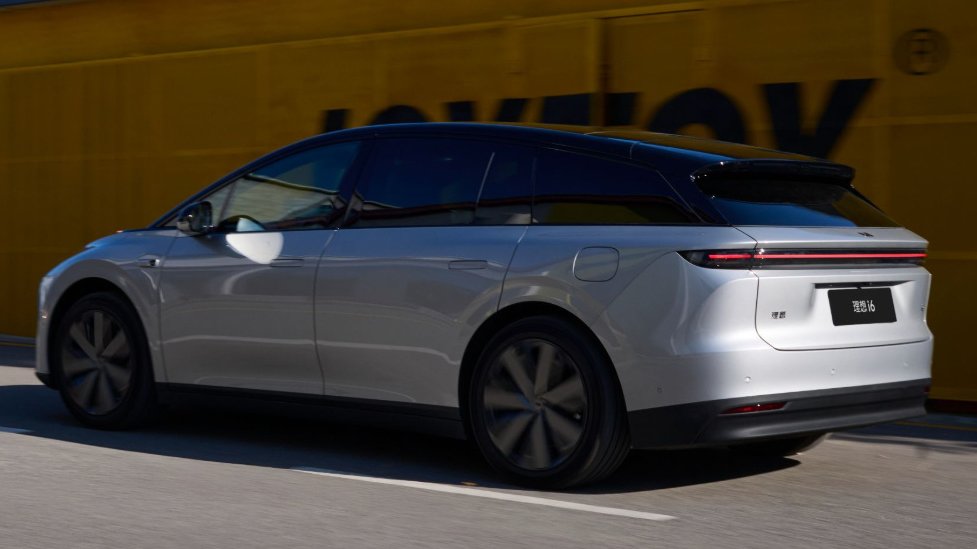
To boost demand, Li Auto is offering early buyers limited-time incentives worth RMB 35,000, including cash discounts and upgrades such as air suspension, an in-car refrigerator, and electric doors. The company is targeting monthly deliveries of 9,000 to 10,000 units for the Li i6 by the end of the year, alongside 6,000 units for the Li i8, aiming for overall monthly BEV volumes of up to 20,000 vehicles when combined with the Li Mega MPV.
The Li i6 measures 4,950 mm in length with a 3,000 mm wheelbase, slightly smaller than the Li i8. It comes standard with a single-motor rear-wheel-drive system producing 250 kW of power and a 0–100 km/h acceleration time of 6.5 seconds. A dual-motor all-wheel-drive variant is available for an additional RMB 20,000, delivering 400 kW and accelerating to 100 km/h in 4.5 seconds.
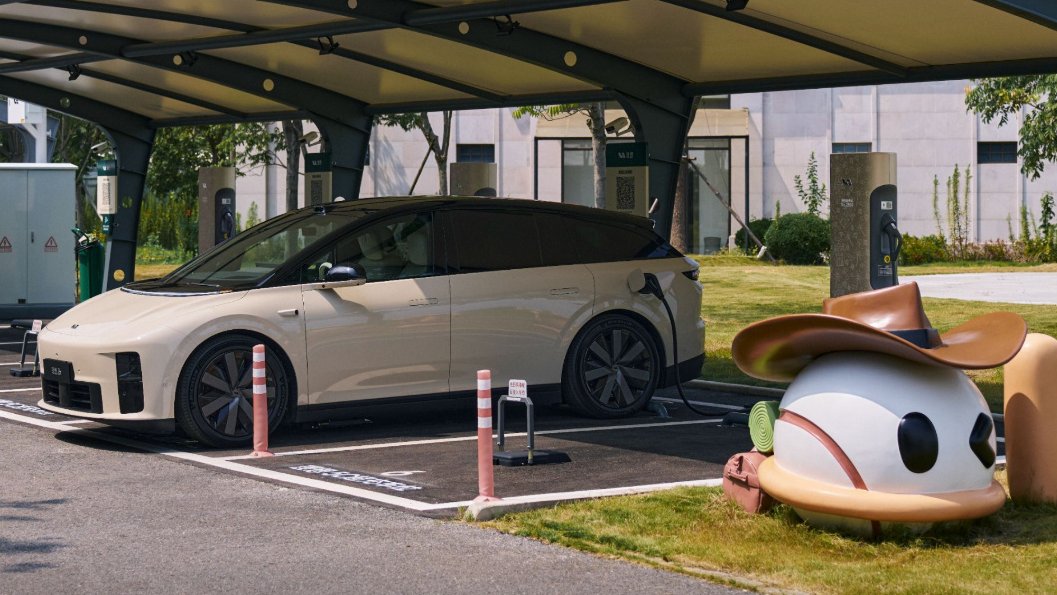
Equipped with an 87.3-kWh LFP battery pack, the Li i6 offers a range of up to 720 kilometers under the CLTC cycle, with the all-wheel-drive version rated at 660 km. The battery supports 5C fast charging, enabling 500 km of range in 10 minutes. The SUV also comes with Li Auto’s AD Max intelligent driving system powered by Nvidia’s Drive Thor-U chip and features Hesai-supplied LiDAR for advanced driver assistance.
The launch underscores Li Auto’s push into the fully electric market amid intensifying competition in its core extended-range EV segment. Despite new model rollouts, the company’s deliveries fell 41 percent year-on-year in August to 28,529 units, marking the third straight month of steep declines. Cumulative deliveries for the January–August period totaled 263,198, down 8.6 percent from a year earlier.