
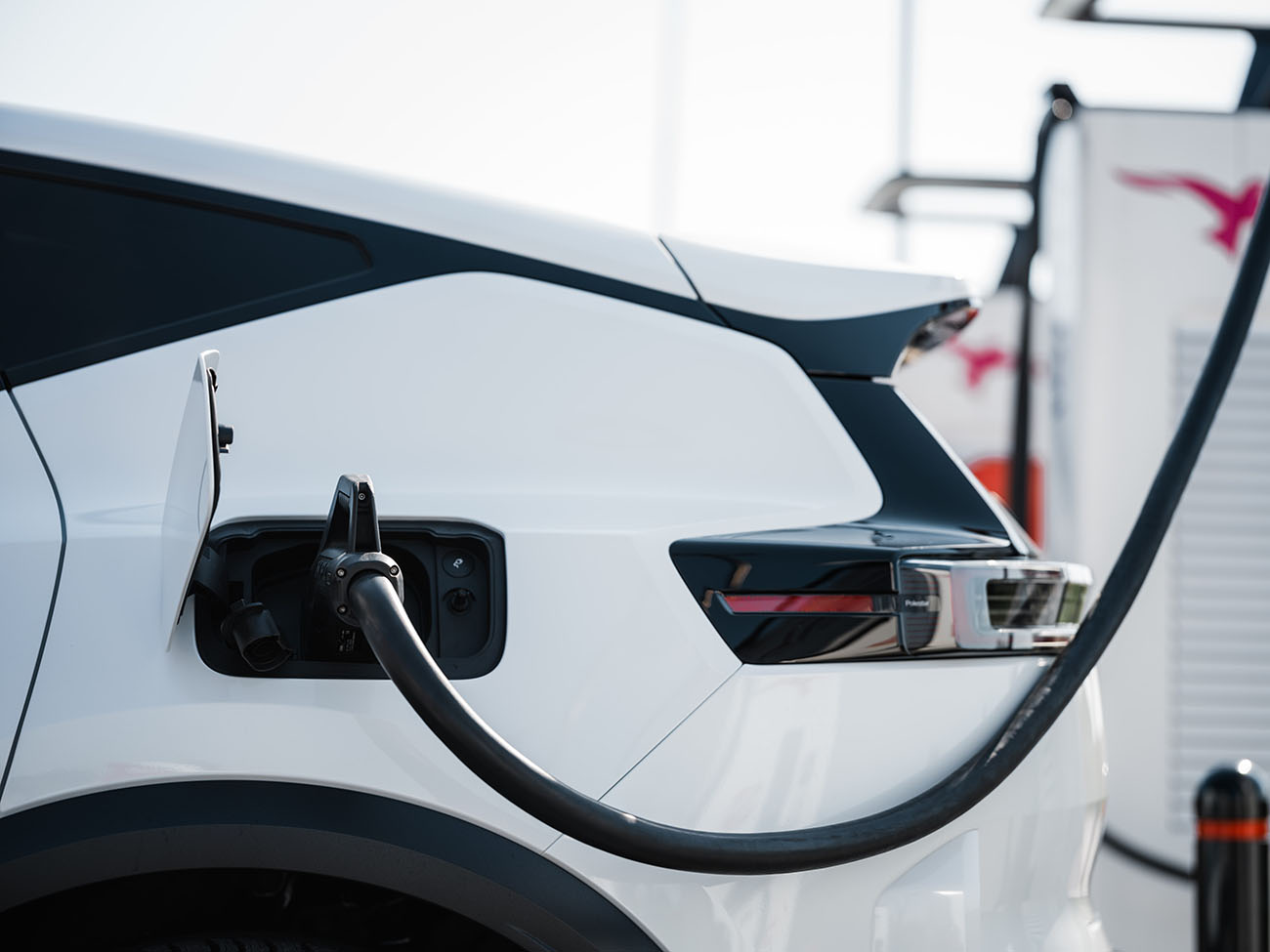
The Massachusetts Department of Environmental Protection (MassDEP) said it will allocate $46 million in grant funding to expand electric vehicle (EV) charging infrastructure, with a focus on both public access and fleet needs.
The initiative sets aside $16 million for workplace, apartment block, campus, and public site chargers, while $30 million will be directed to charging hubs along secondary transportation corridors in western and central Massachusetts, aimed particularly at medium- and heavy-duty vehicles.
Funding will be rolled out through new grant opportunities and by scaling up existing programs, with final allocations yet to be determined. MassDEP said distribution will be guided by recommendations from the Electric Vehicle Infrastructure Coordinating Council (EVICC), which conducts biennial assessments on the state’s charging network needs.
The EVICC has advised focusing on fast charging along secondary corridors, expanding on-street and residential charging, and supporting medium- and heavy-duty fleet charging at depots. Other recommendations include minimizing grid impacts, expanding “right-to-charge” legislation for renters, and providing additional incentives for businesses and retailers installing chargers.
Massachusetts currently leads the nation in charger density, with deployments up more than 50% since August 2023. “This ongoing and expanded investment is about more than just charging stations; it’s about creating a future where every community, no matter how small or remote, is part of our clean energy transition,” said Monica Tibbits-Nutt, CEO and Transportation Secretary of EVICC. “Access to EV charging is essential if we’re serious about reducing emissions and developing a transportation system that’s resilient, fair, and prepared for the challenges of climate change.”
MBTA General Manager and CEO Phillip Eng said the program would also expand charging access in public transit facilities. “Expanding access to EV charging, including at MBTA parking facilities, and especially in communities that rely on transportation options, means we’re giving people the freedom to move, and building a better future for generations to come,” he said.