
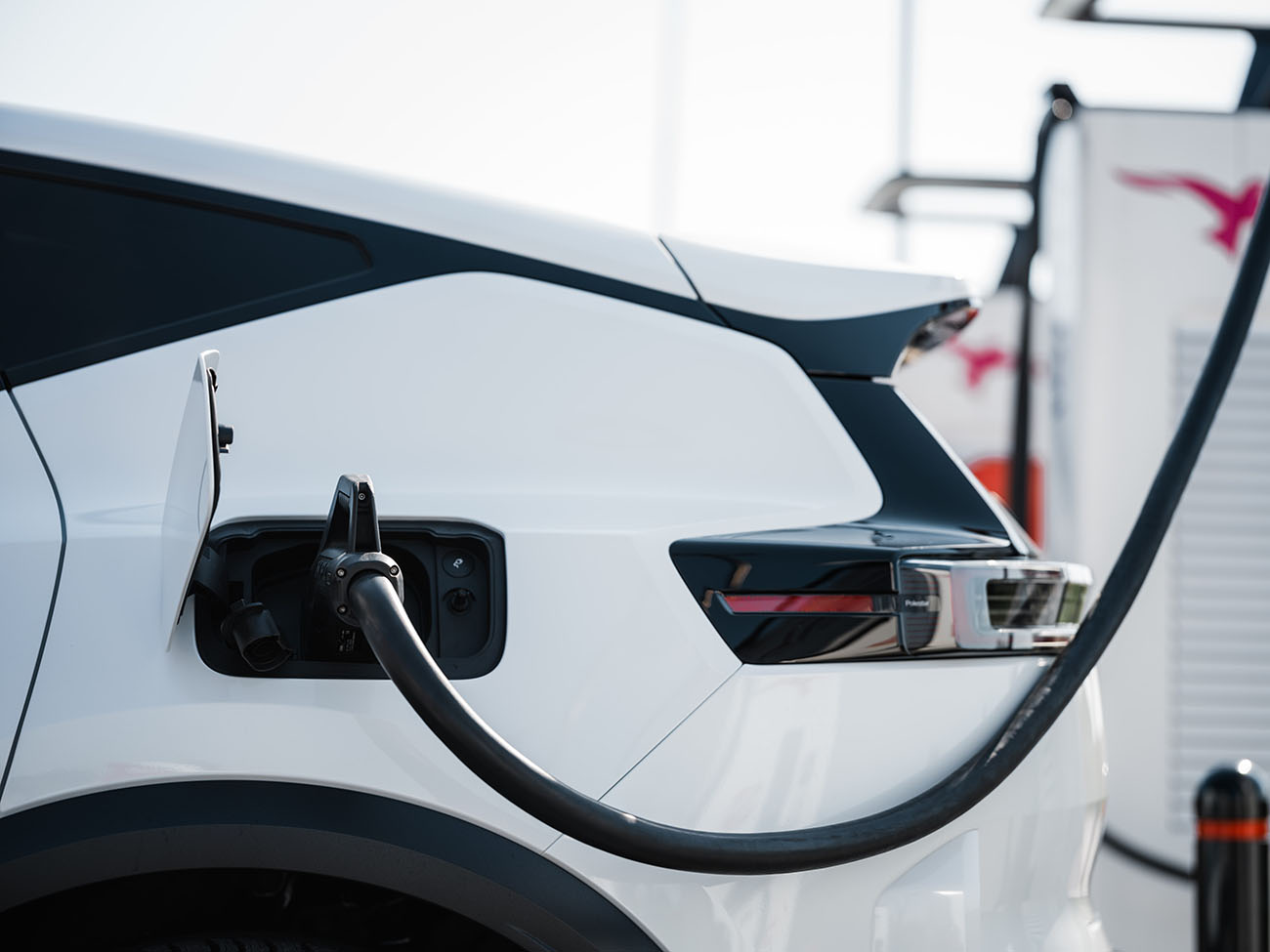
The Prague City Council has approved a major investment project to install up to 1,500 publicly accessible electric vehicle (EV) charging stations across the Czech capital over the coming years. The project, wholly owned by the city, is estimated to cost nearly 493 million Czech koruna (around €20 million).
According to the city administration, the charging stations are intended to make electric mobility more accessible for all residents, including those without the option to charge at home. While specific locations and a construction timetable have not yet been disclosed, officials indicated the stations will likely focus on residential areas, enabling convenient overnight street charging. The initiative is part of a broader effort to reduce greenhouse gas emissions and traffic-related pollutants.
Zdeněk Hřib, First Deputy Mayor for Transport, said the project is a key step toward sustainable urban mobility. “Without accessible public charging stations, the development of electric mobility will remain the preserve of a privileged few. Prague must offer a solution for all its residents – and that is exactly what this project delivers,” Hřib said. “Building a charging infrastructure is not just a technological project. It is a concrete step towards a cleaner and healthier city where people can live well. Investing in an emission-free future makes ecological, economic and social sense.”
The expansion complements other city initiatives promoting sustainable transport. Earlier this year, the Prague Public Transport Company (DPP) signed a framework agreement with Turkish manufacturer Bozankaya for 70 trolleybuses, while city officials are considering mandating electric taxis for new vehicles from 2029. In addition, THMP, the company responsible for public lighting, announced plans last year to install more than 1,000 lamppost charging points with dedicated parking for EVs by 2026, though it is unclear whether these will be integrated into the new citywide project.
The city administration described the initiative as a response “to the challenges of climate change, air quality and urban noise,” reflecting Prague’s broader strategy to advance sustainable urban mobility and support the transition to emission-free transportation.