
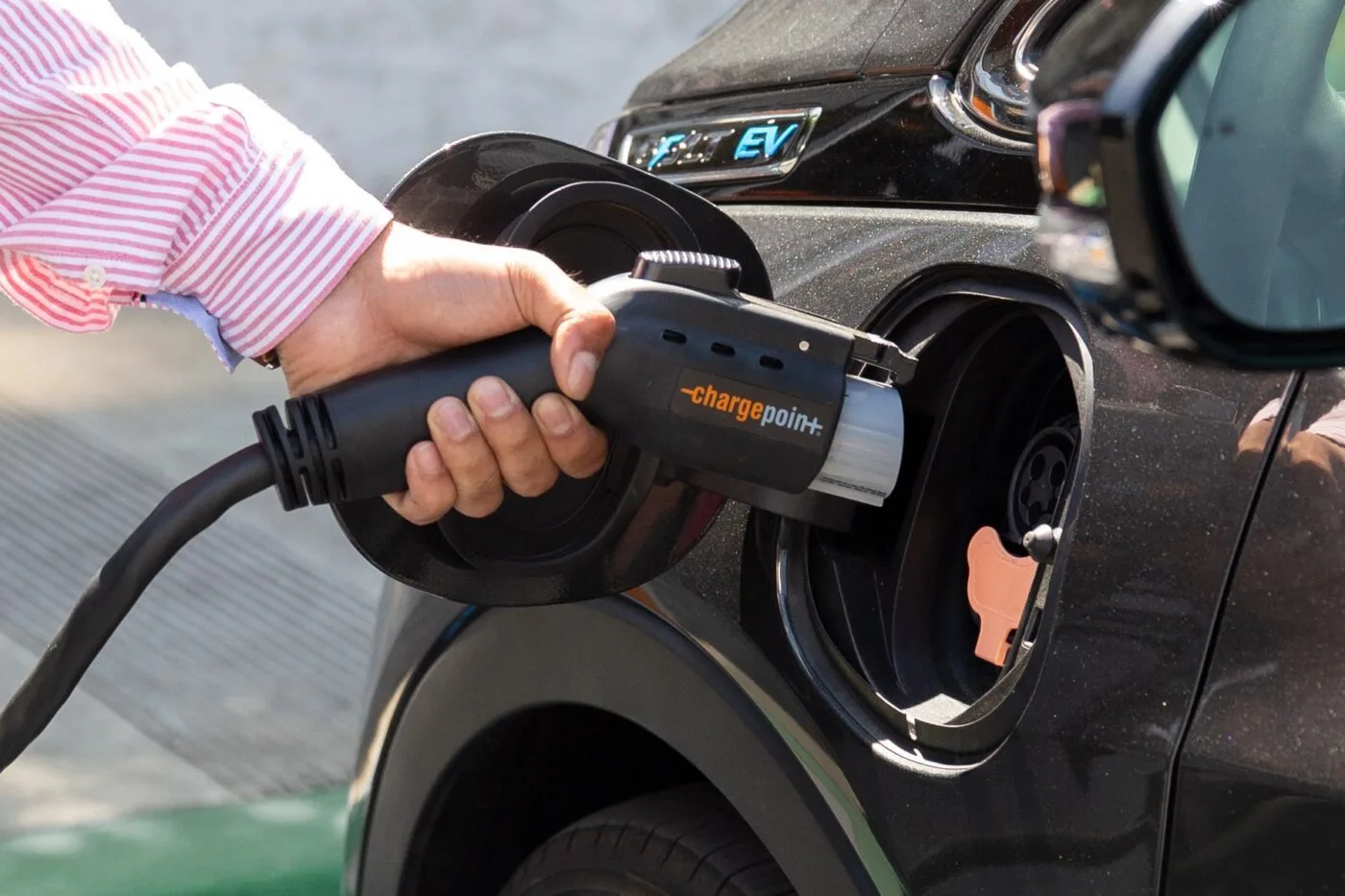
The City of Lucerne will develop around 30 publicly accessible electric vehicle charging locations by 2035 as part of its “Renewable Drives in Mobility” strategy, aimed at filling infrastructure gaps for residents without access to private or workplace charging.
The plan focuses on neighbourhood-based charging for an estimated quarter of EV users who will not be able to charge at home or work by 2035. Under the scheme, third-party operators will receive concessions to install and manage chargers on public land, while the city will provide grid connections and basic infrastructure at a cost of CHF 960,000. These costs will be recovered through concession fees, with operating expenses covered by the providers. Implementation will require a change in local regulations.
Road transport accounts for about 30% of Lucerne’s energy-related CO₂ emissions. The municipality is targeting net zero energy-related greenhouse gas emissions by 2040, alongside a 15% reduction in traffic volumes compared with 2010 levels. While the strategy emphasises reducing car use in favour of walking, cycling, and public transport, it also seeks to decarbonise remaining vehicle traffic through smaller, lighter, cleaner and quieter models powered by renewable energy.
The decision follows a pilot project that introduced initial public charging stations in 2024 and two fast-charging units in 2025. Each site now averages more than 120 charging sessions per month. The five-year trial will continue to track usage patterns to guide the expansion. Additional measures include subsidies for private and semi-public chargers, requirements for new buildings and renovations to include charging readiness, incentives for zero-emission taxis from 2033, and progressively stricter parking benefits for emission-free vehicles by 2040.
In 2024, nearly one in seven registered passenger cars in Lucerne was a plug-in model, with plug-in vehicles accounting for six in ten new registrations and roughly a quarter being fully electric. The city’s overall passenger car fleet has fallen by almost 4% since 2019, reflecting a shift in mobility preferences.