
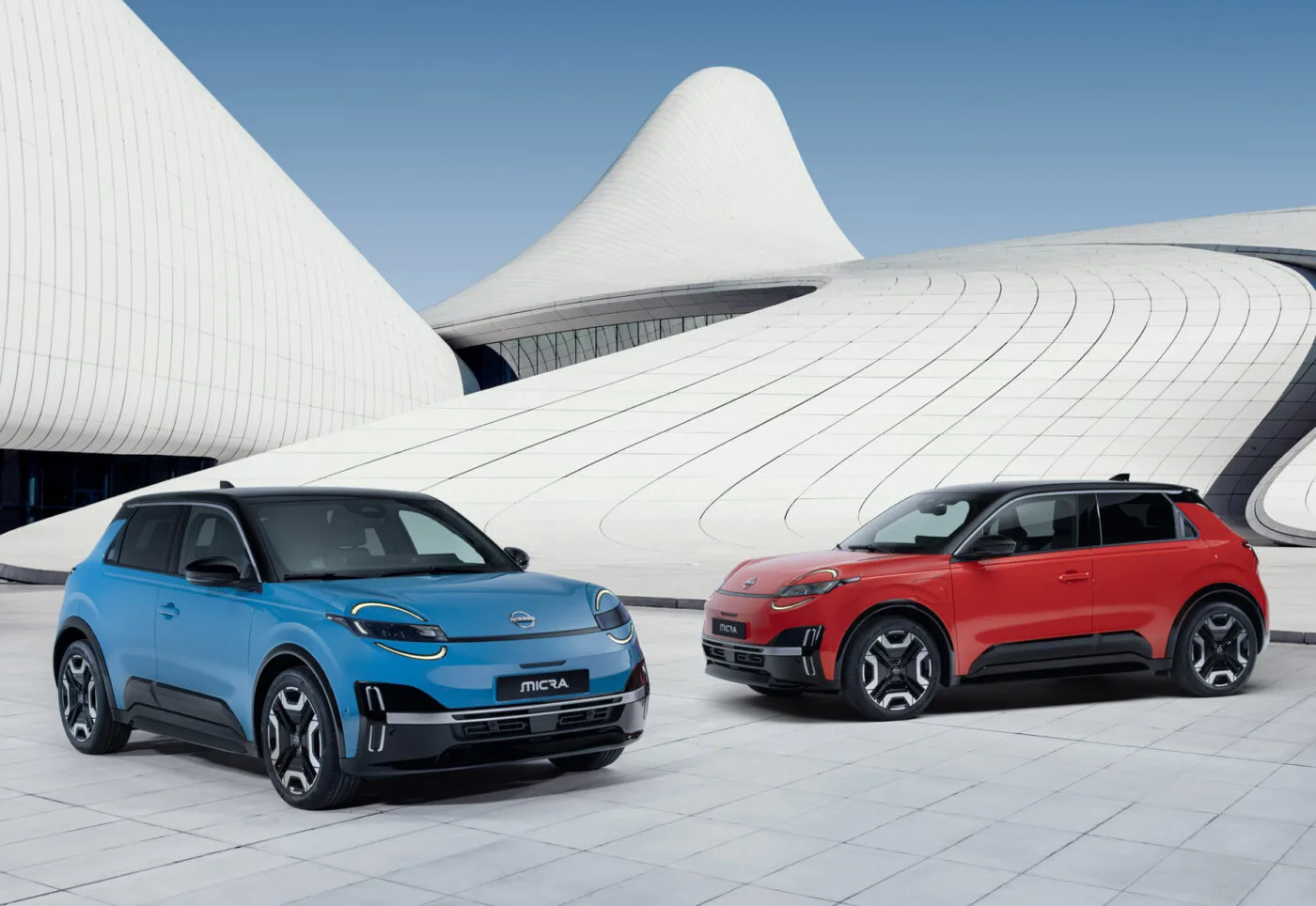
The United Kingdom has expanded its Electric Car Grant (ECG) scheme to include 17 eligible electric vehicle (EV) models, as part of ongoing government efforts to promote zero-emission transport and increase EV affordability. The Department for Transport (DfT) announced that new additions to the list include models from Renault, Nissan, Vauxhall, and Citroën, although no vehicle currently qualifies for the full £3,750 subsidy.
The scheme, which launched last month with a total budget of £650 million, targets vehicles priced below £37,000. However, price is not the sole factor for eligibility. The DfT requires manufacturers to demonstrate verifiable commitments to decarbonisation, including considerations of battery production and vehicle assembly locations.
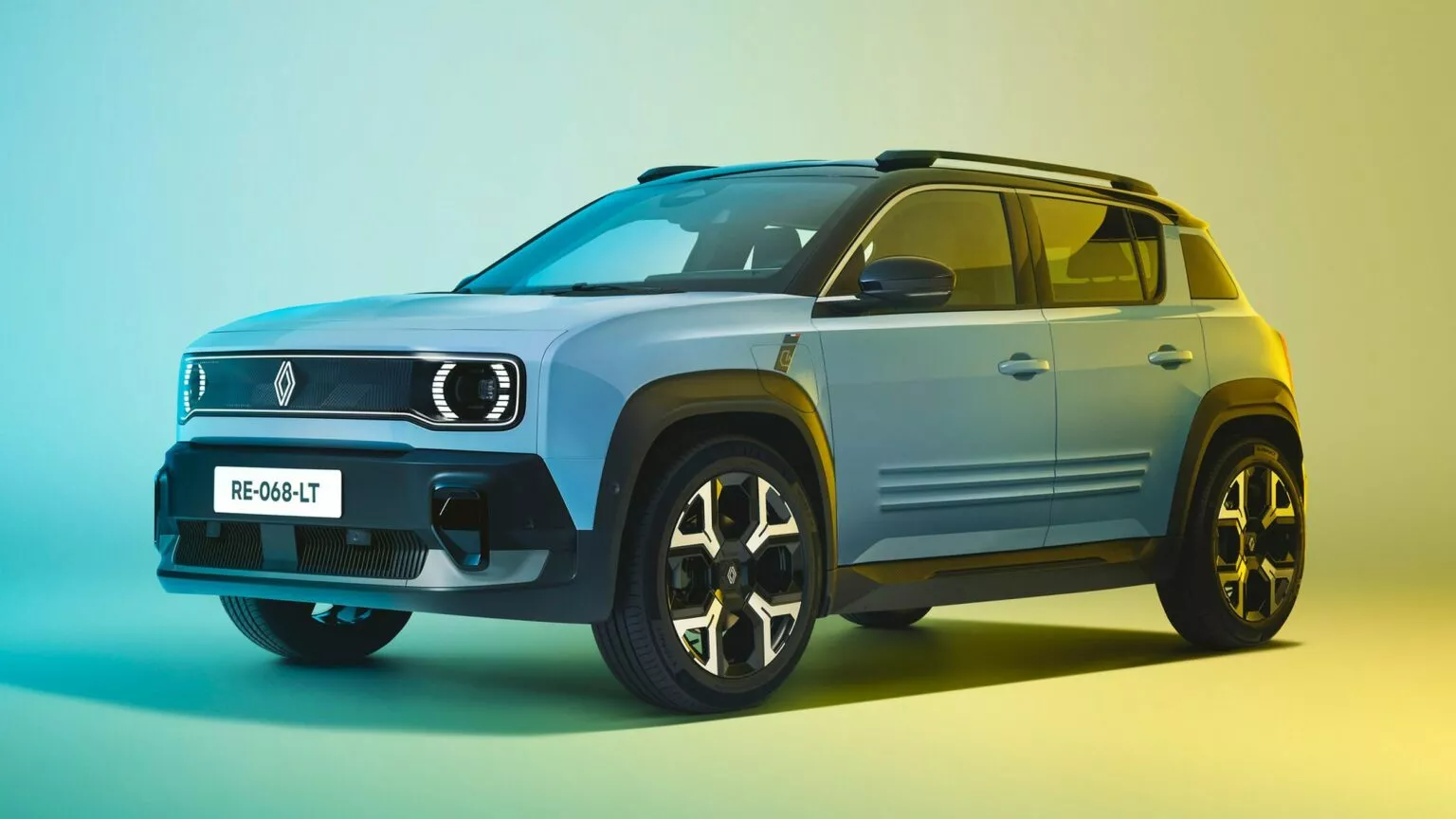
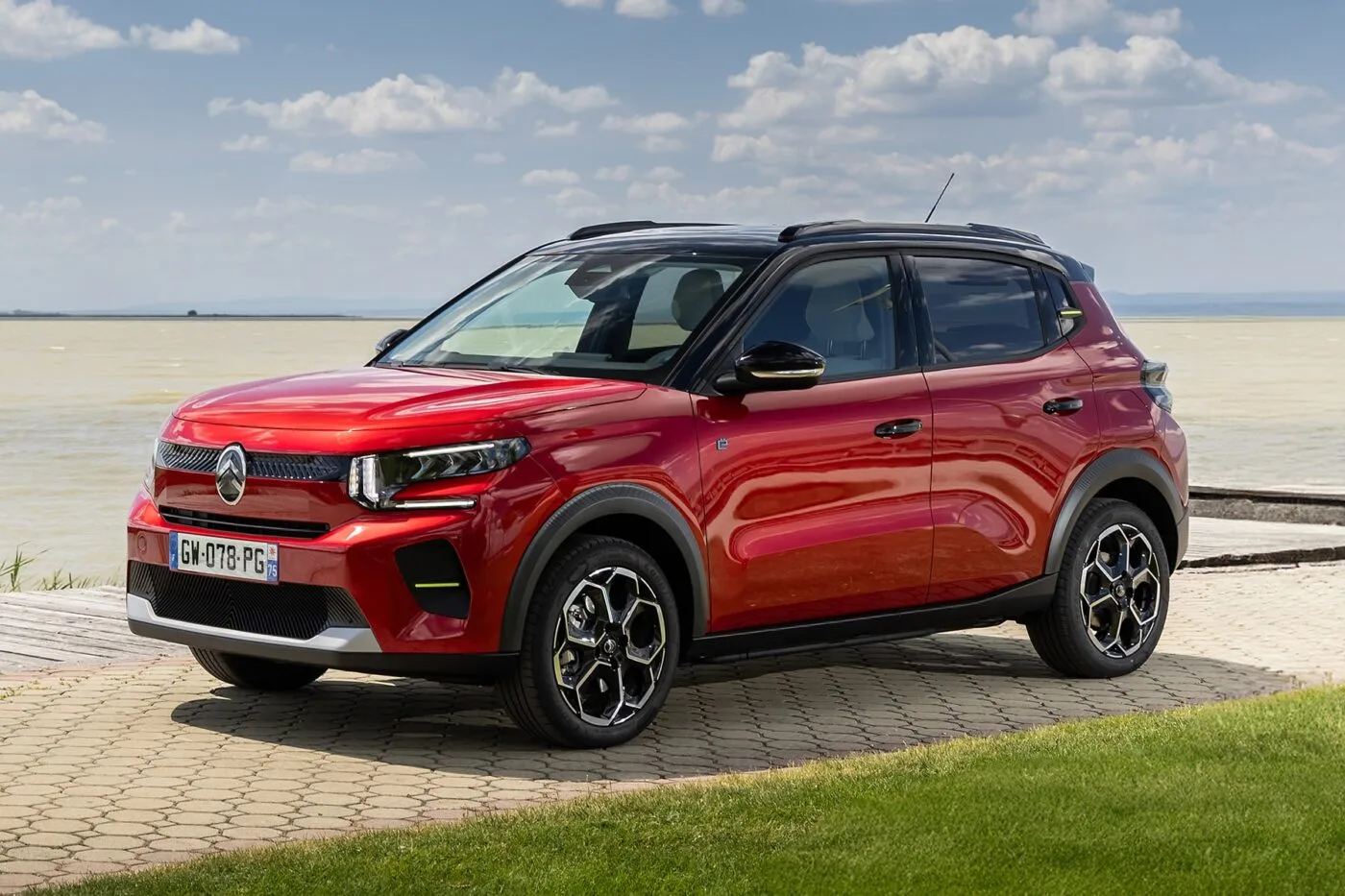
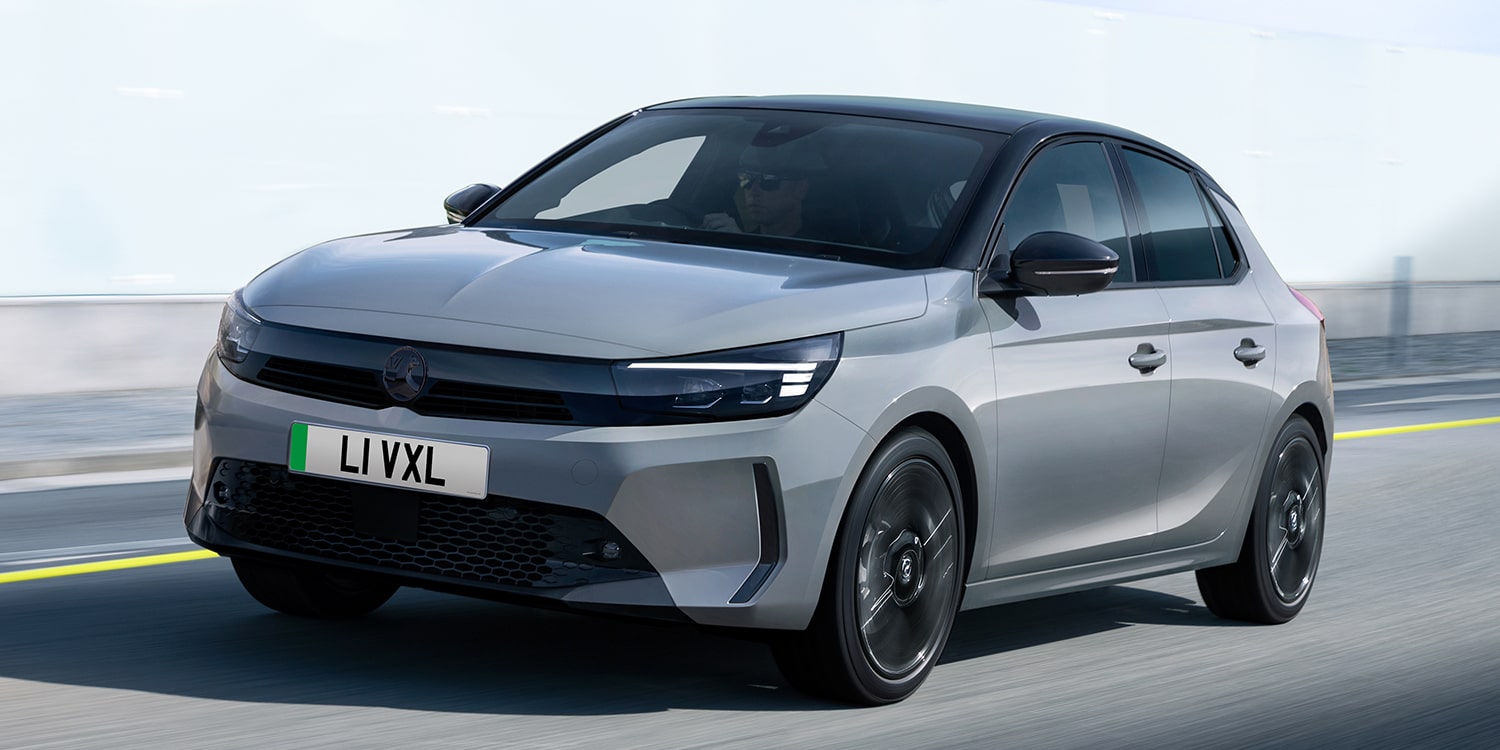
Seventeen models now benefit from the scheme, including the Renault Alpine A290, Renault 5, Nissan Micra, Nissan Ariya, and the full electric ranges from Citroën and Vauxhall. Citroën was the first automaker to gain approval for the grant on August 5, with manufacturers able to apply since July 16. The government evaluates each application individually.
Transport Secretary Heidi Alexander said: “With discounts on 17 car models announced this week alone, we’re delivering on our promise to make it easier and cheaper for families to go electric. This is about backing drivers, putting money back into people’s pockets and creating the jobs and growth that will drive Britain forward.”
Industry figures welcomed the expansion of the scheme. Simon Williams, head of policy at RAC, described it as “yet more welcome news,” noting the broader range of better-value EVs now available. Carwow CEO John Veichmanis highlighted a surge in consumer interest, stating: “Demand for EVs under £37,000 jumped 124% in the week after the scheme’s relaunch. By lowering upfront costs, the grant plays a pivotal role in turning EV curiosity into commitment.”
Manufacturers also praised the initiative. James Taylor, managing director of Nissan Motor GB, called the grant “a clear signal” of government commitment to electrification. Vauxhall’s Steve Catlin emphasized support for British-built models, while Renault UK’s Adam Wood said the grant would “significantly accelerate” accessible EV adoption.
The ECG complements the UK’s Zero Emission Vehicle (ZEV) Mandate, which requires manufacturers to sell rising percentages of zero-emission vehicles annually. Despite strong growth, battery electric vehicles (BEVs) accounted for 21.6% of new car registrations this year, still below the 28% target set by the mandate. According to the Society of Motor Manufacturers and Traders (SMMT), manufacturers have invested over £6.5 billion since the mandate’s introduction to maintain EV demand through discounts and strategic sales efforts, underscoring calls for continued subsidy support.
The government’s £4.5 billion investment in zero-emission transport, including the ECG, aims to accelerate the shift toward cleaner vehicles and reduce the UK’s carbon footprint in the automotive sector. Discounts under the scheme are applied automatically at the point of sale, helping to lower the upfront cost barrier for consumers interested in electric vehicles.
| Model | Subsidy |
|---|---|
| Citroën ë-C3 | £1,500 |
| Citroën ë-C4 | £1,500 |
| Citroën ë-C5 | £1,500 |
| Citroën ë-Berlingo | £1,500 |
| Renault Alpine A290 | £1,500 |
| Renault Megane | £1,500 |
| Renault 4 | £1,500 |
| Renault 5 | £1,500 |
| Renault Scenic | £1,500 |
| Nissan Micra | £1,500 |
| Nissan Ariya | £1,500 |
| Vauxhall Corsa Electric | £1,500 |
| Vauxhall Combo Life Electric | £1,500 |
| Vauxhall Astra Electric | £1,500 |
| Vauxhall Mokka Electric | £1,500 |
| Vauxhall Frontera Electric | £1,500 |
| Vauxhall Grandland Electric | £1,500 |