
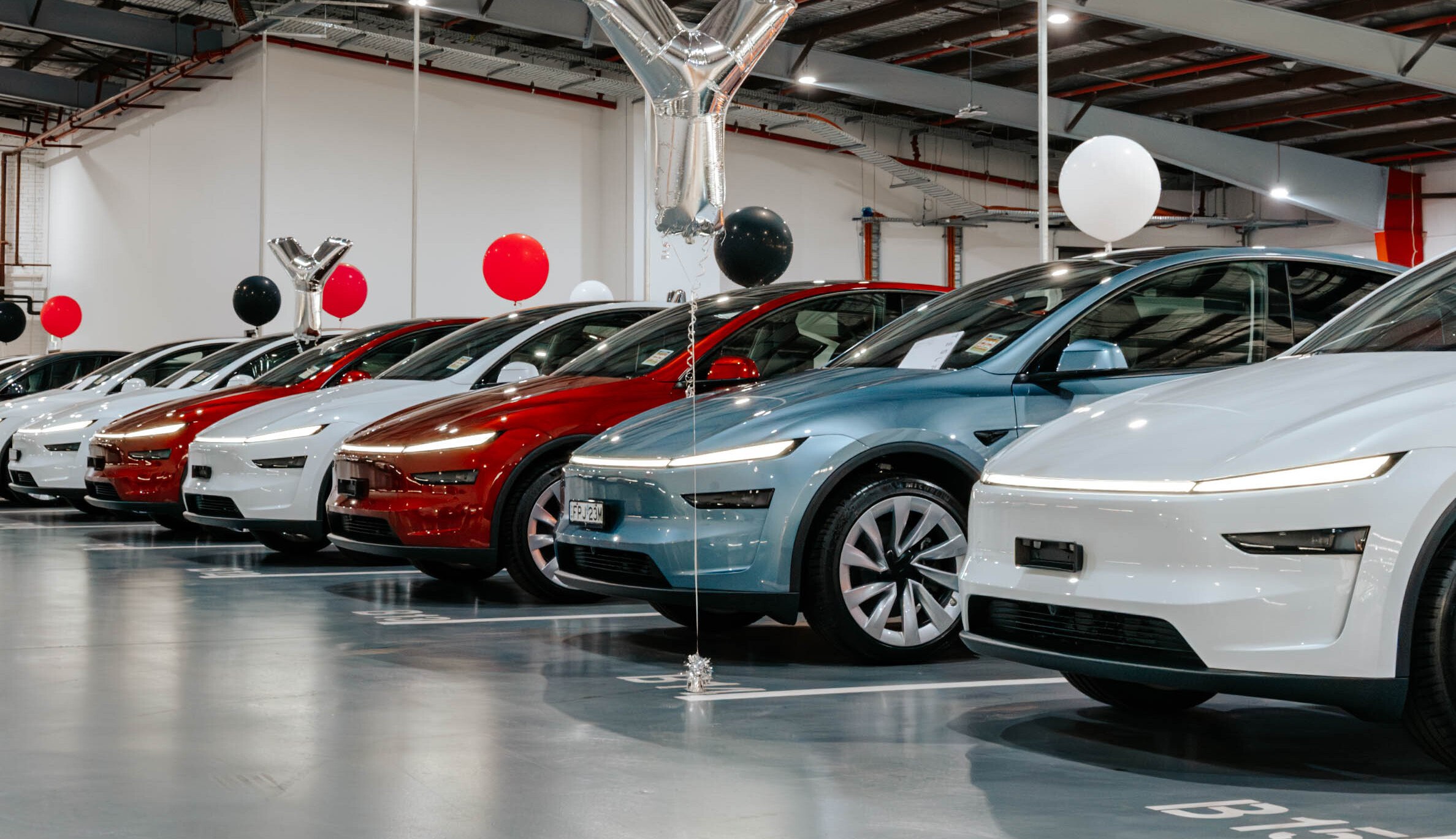
A new study by the Australian Automobile Association (AAA) has revealed significant differences between the official range figures of electric vehicles (EVs) and their actual performance in real-world driving, with some models delivering considerably less than advertised.
The government-funded four-year testing program assessed five EV models from various brands on a standardized driving route. All five recorded shorter driving ranges than their official claims, though the scale of the shortfall varied greatly between models.
See also: MIT Study Finds Dynamic Speed Control at Intersections Could Cut Carbon Emissions by Up to 22%
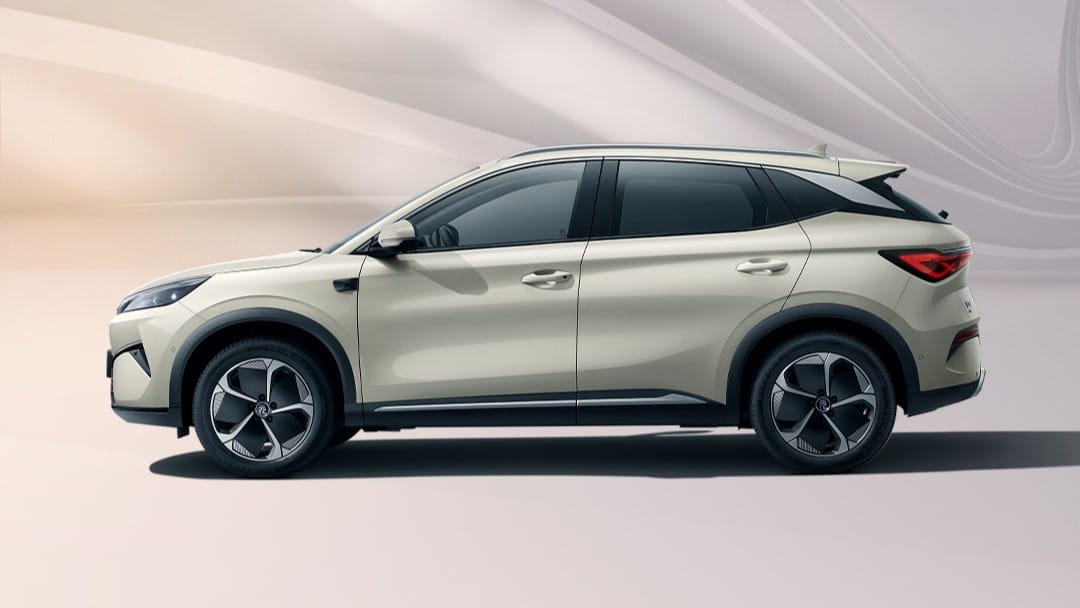
The largest gap was observed in the BYD Atto 3, which reached 229 miles (369 km) before recharging—23% less than its stated 298 miles (480 km). Tesla’s Model 3 followed, achieving 274 miles (441 km), or 14% below its claimed 319 miles (513 km).
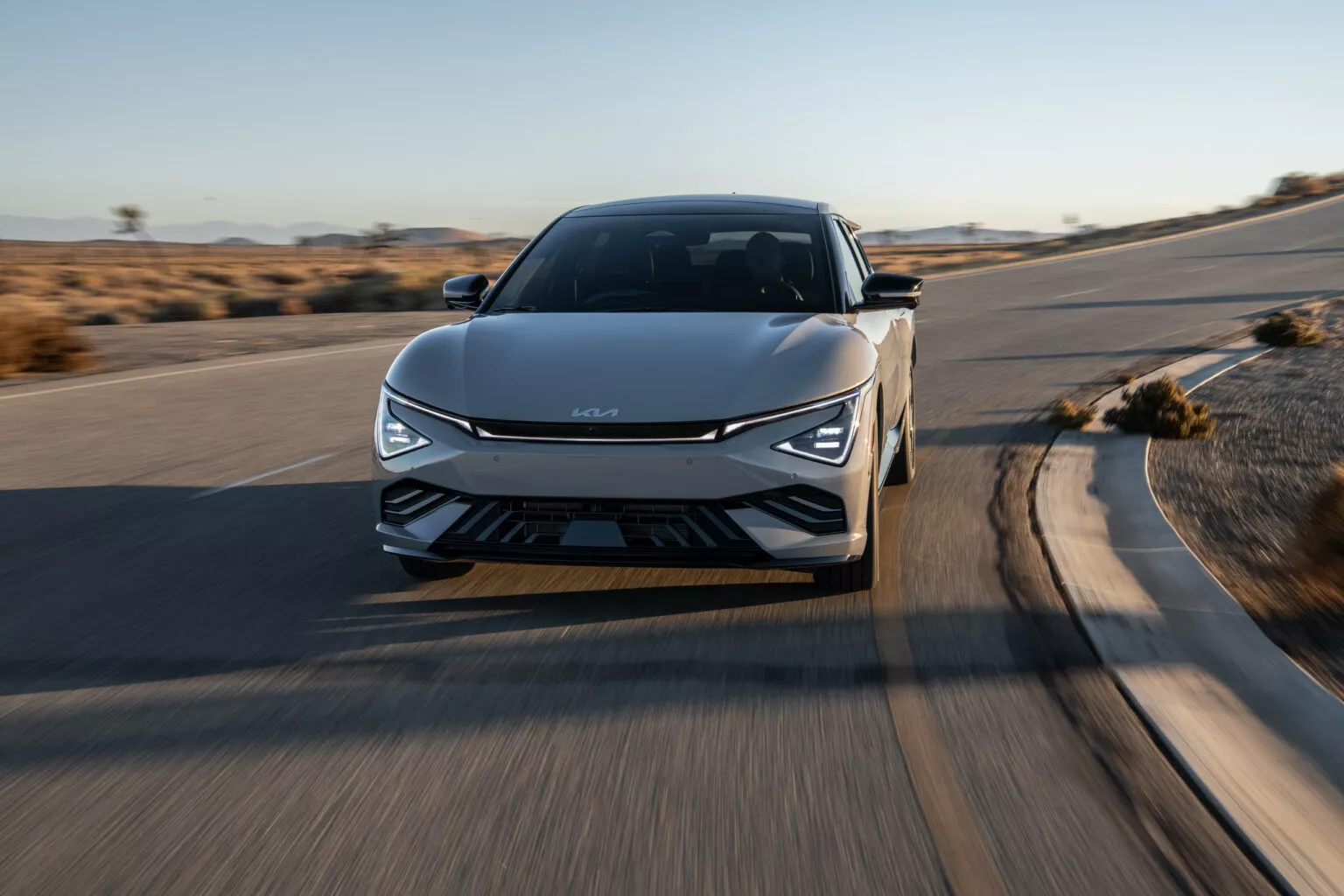
The Smart #3 emerged as the closest to its official range, covering 268 miles (432 km), just 5% under the stated figure. Kia’s EV6 and Tesla’s Model Y also performed relatively well, coming in about 8% below their official ranges.
See also: Study Recommends Second-Life Use of EV Batteries Before Recycling to Maximize Environmental Benefits
The results highlight the inconsistency in how much EV ranges deviate from manufacturer claims, indicating that prospective buyers cannot assume a uniform overstatement across different brands. The AAA emphasized that independent testing of this nature can help consumers make more informed choices when investing in an EV.