
Tesla’s path toward integrating solid-state batteries into its vehicles may face delays as two of its primary battery suppliers, Panasonic and CATL, remain cautious about the technology’s readiness for large-scale electric vehicle (EV) deployment. Both companies pointed to technical and economic barriers that suggest solid-state batteries are unlikely to enter Tesla’s product line in the near future.
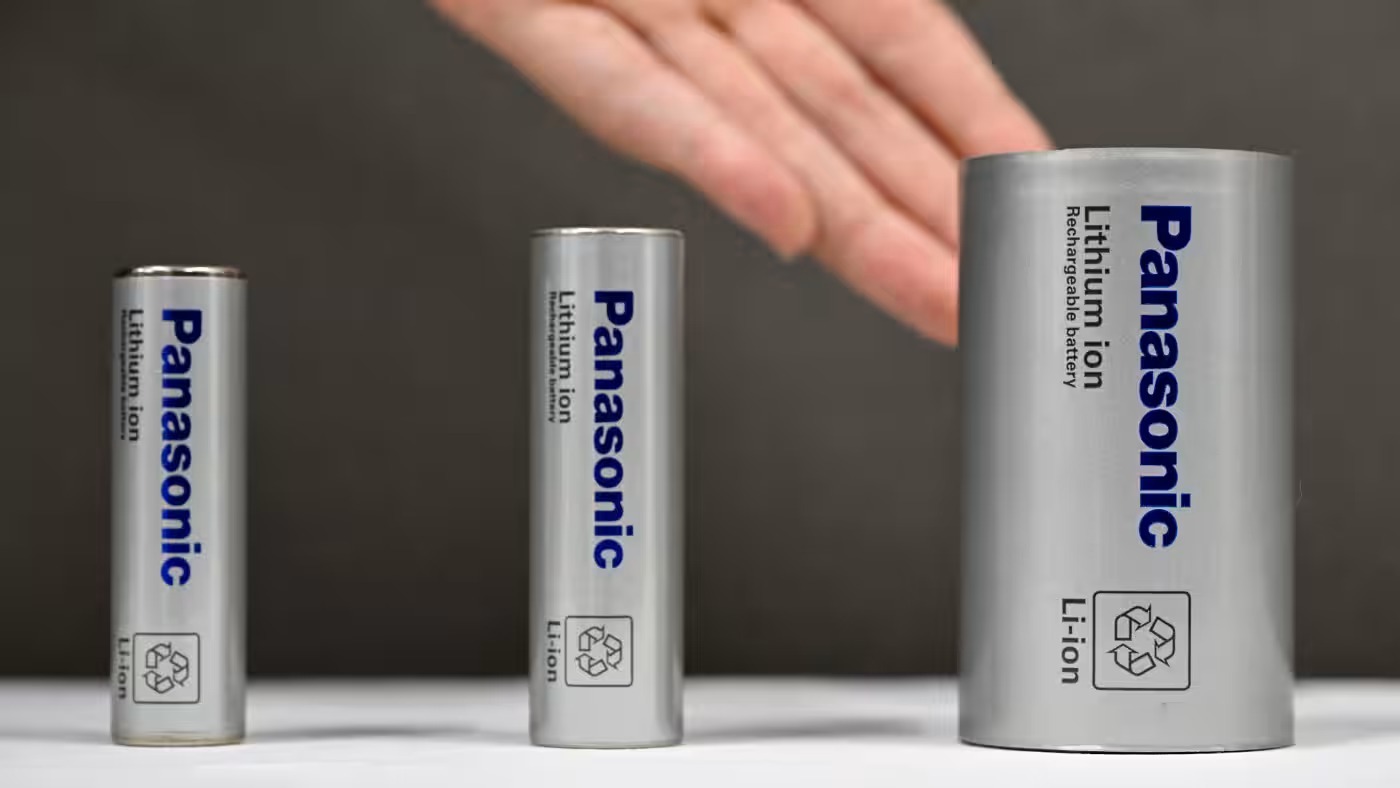
Panasonic, which supplies Tesla with lithium-ion batteries, recently stated that solid-state technology is currently more suitable for smaller applications such as drones and handheld tools rather than full-size EVs. The company emphasized that the technology remains a niche solution, not yet ready for the demands of high-capacity automotive battery systems.
Solid-state batteries are widely considered a potential breakthrough in EV performance, offering higher energy density, improved safety, and greater range. Theoretically, they could double the driving range of current electric vehicles within the same battery footprint. However, their production relies on expensive solid electrolytes, which have hindered mass-market adoption. Even early adopters like Toyota have announced plans to reserve the technology for premium electric models under its Lexus brand.
CATL, another major supplier to Tesla, has spent more than a decade researching solid-state battery systems and has begun pilot production of prototypes. Despite these efforts, the company has revised its timeline for commercial-scale deployment. While earlier forecasts suggested 2030 as a target, the updated outlook reflects greater uncertainty, especially as competitors aim for smaller-volume launches by 2027.
Transitional technologies such as semi-solid batteries—like those used by NIO—are already on the market but come with significant cost implications. For instance, NIO’s 150 kWh semi-solid pack can deliver over 600 miles of range, but its price point is comparable to a compact vehicle, making it a rental-only option for now.
With solid-state solutions still facing cost and scalability hurdles, Tesla is expected to maintain its focus on maturing its 4680 battery production and lowering the overall cost structure of its EV lineup. As a result, solid-state batteries are unlikely to appear in Tesla vehicles in the near term.
Source: Financial Times